
Planning/Wedding traditions from our families
Traditions, celebrated hereThe traditions that make a wedding feel like home
Southern California weddings are rarely one culture. Over a year of calls, families walked us through rituals we photograph every month, and a few we had never heard of.
- CeremoniesTemple, church, home, garden
- Asked about mostTea ceremonies
- New to usTwo baraats at once
- Our tipFamily photos before the rituals
Every family taught us something. Here is what we learned, with a planning note for each tradition.
Many of the couples we spoke with this year were blending two cultures, sometimes three, and often holding more than one ceremony in a day. Their families explained what each ritual means and which moments mattered most.
This is a starting point, not a rulebook. Every family does it a little differently, so we always ask yours.
South Asian weddings
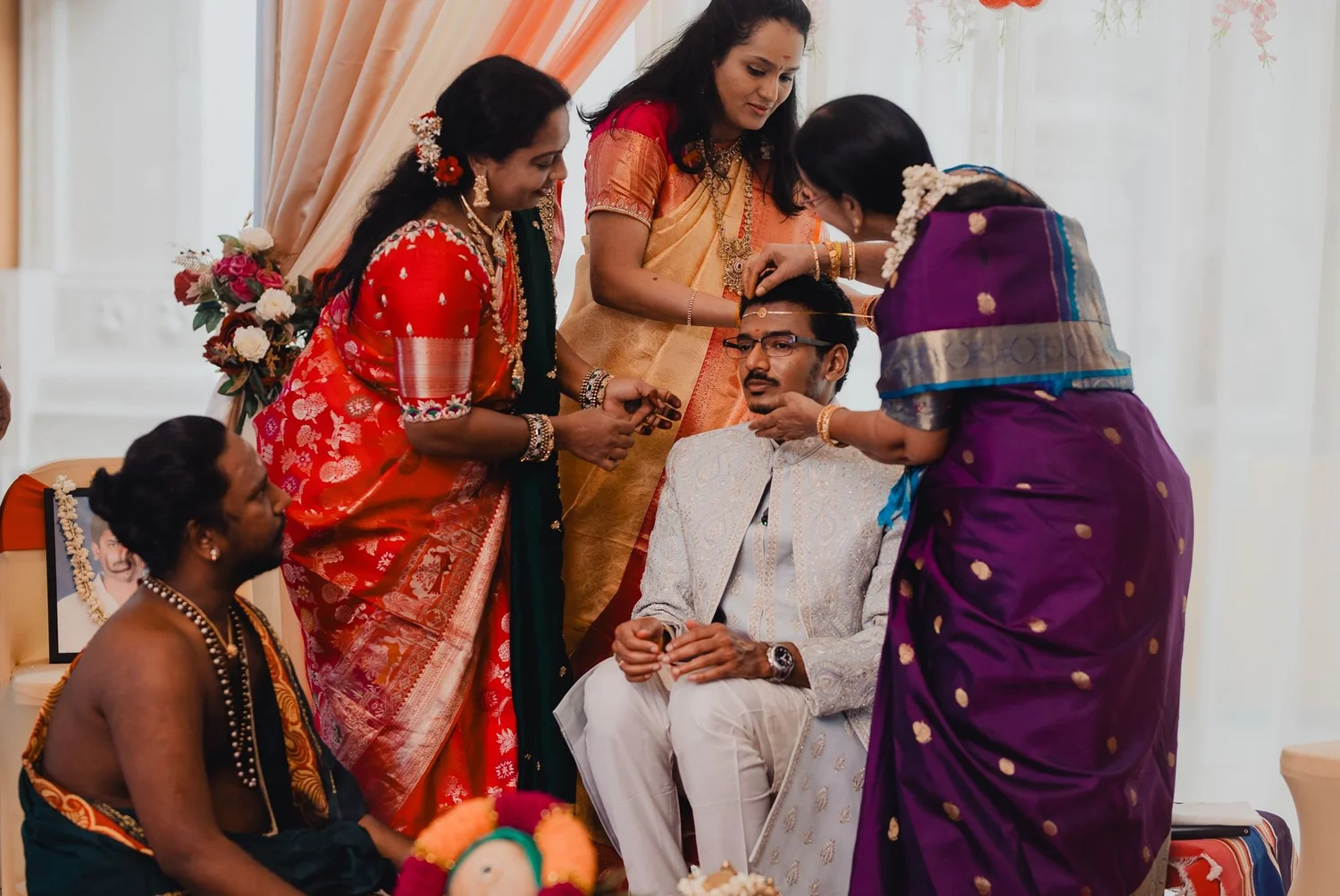
- The swing (oonjal). At a South Indian Tamil wedding, the couple sits on a decorated swing while relatives sing and circle them with offerings.
- The sari change. Partway through some South Indian ceremonies, the bride changes into a sari given by the groom’s family. Two looks means two sets of family photos: one before, while the flowers are fresh, and one after.
- Two baraats. One fusion couple planned a procession for each partner, meeting in the middle. It was a first for us.
- Nikah and rukhsati. A nikah is short and intimate; the bride’s farewell to her family at the end of the night is often the most emotional moment of all. One family told us they push the couple’s car as it leaves, as a blessing.
Planning tip: start about three hours before the baraat, because jewelry and outfit details take time, and do couple portraits before the ceremony, when petals and rice start to fly. See Indian weddings and Pakistani weddings.
Tea, doors and wooden ducks
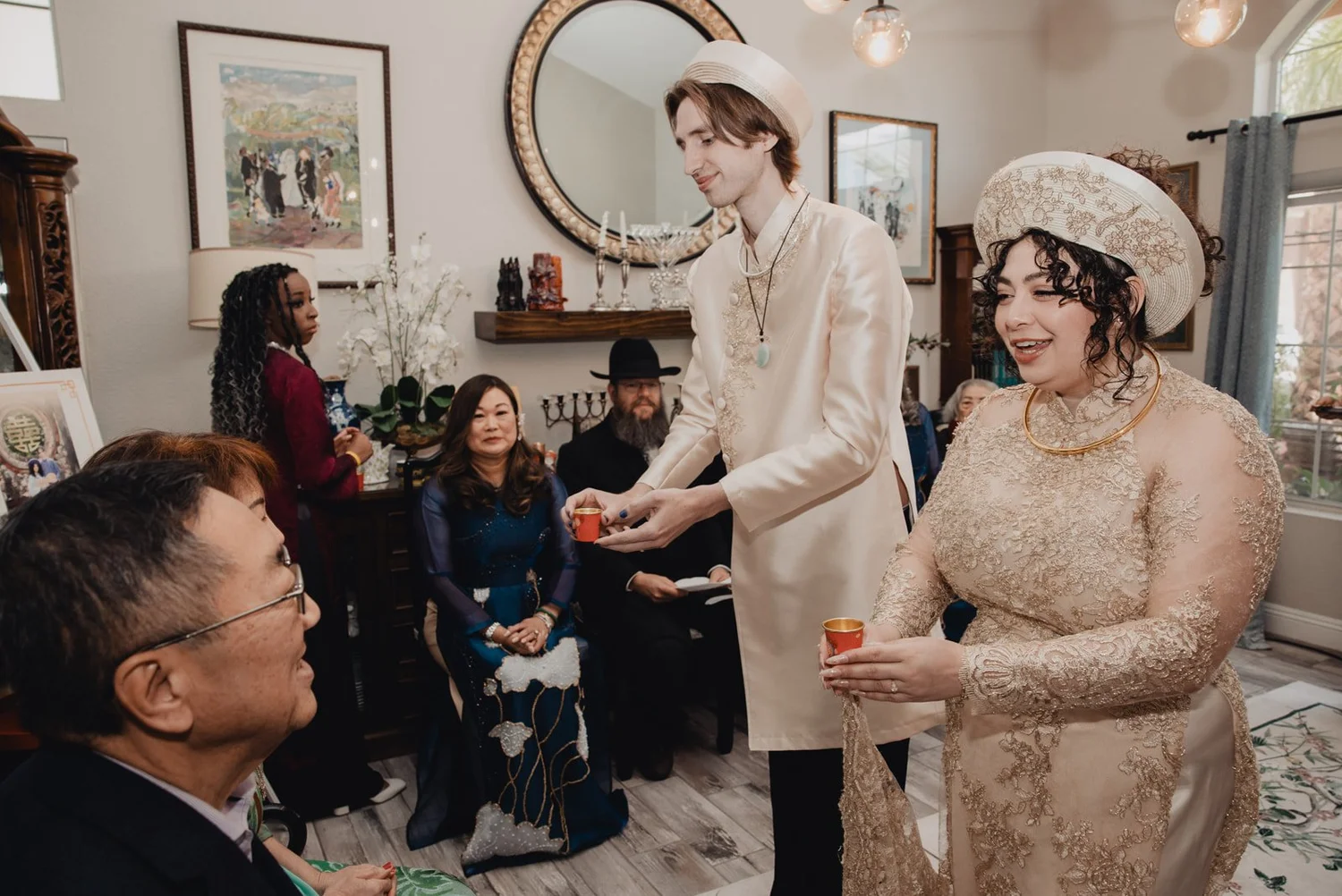
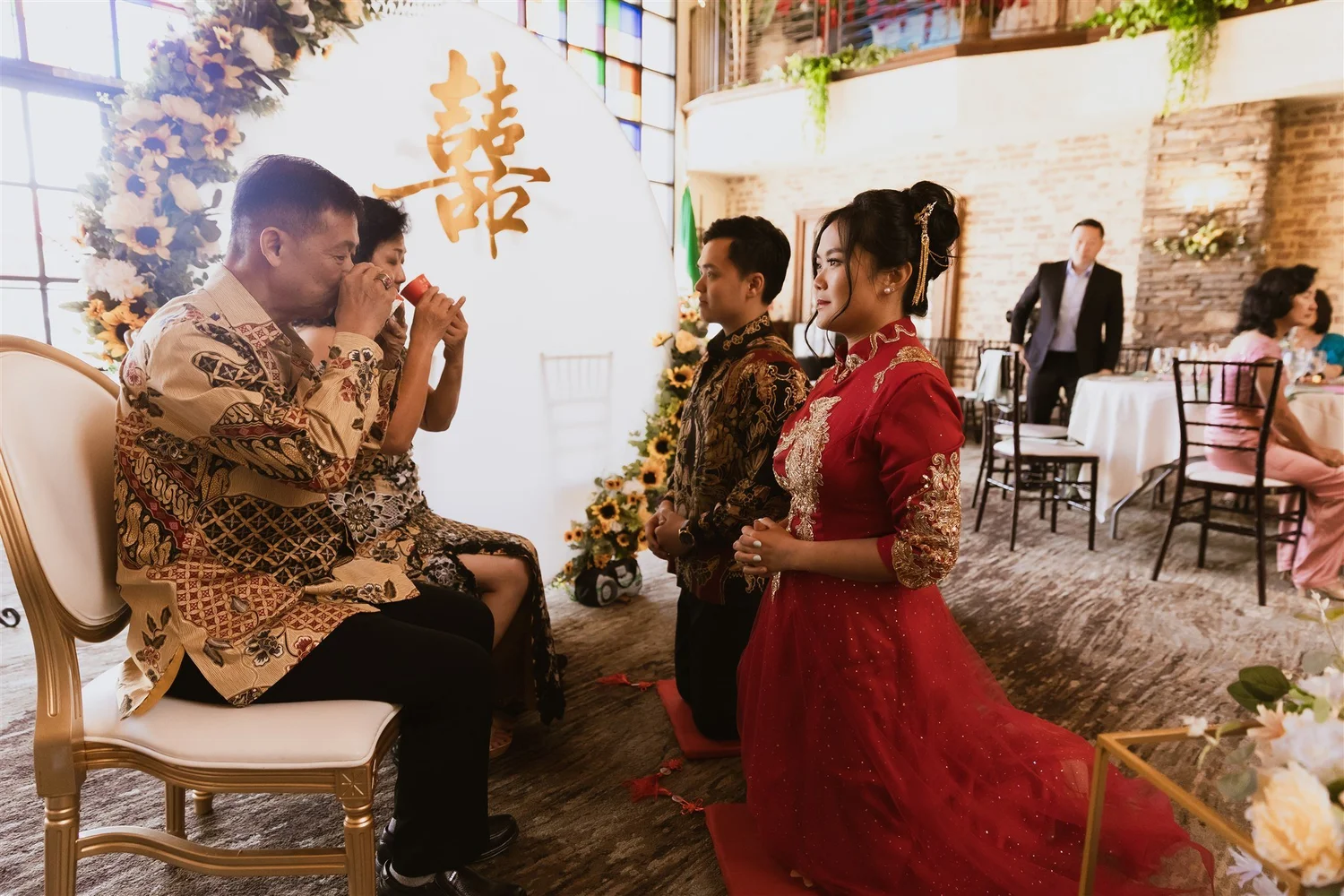
- Door games or gift trays. At a Chinese tea ceremony, the bridesmaids make the groom earn his way through the door. At a Vietnamese one, the groom’s family arrives with gift trays, sometimes with a whole roast pig among them. We photograph the setup before anyone touches it.
- Tea before lunch. Hold the tea ceremony before lunch or speeches, while guests are focused and the room is tidy. Our tea ceremony guide has a sample timeline.
- Paebaek during dinner. Many Korean couples we work with now hold their paebaek in the last half hour of dinner, which saves an outfit change during cocktail hour. See paebaek.
- Wooden ducks. A Korean and Jewish couple set a pair of wooden wedding ducks beside the chuppah. Ducks mate for life.
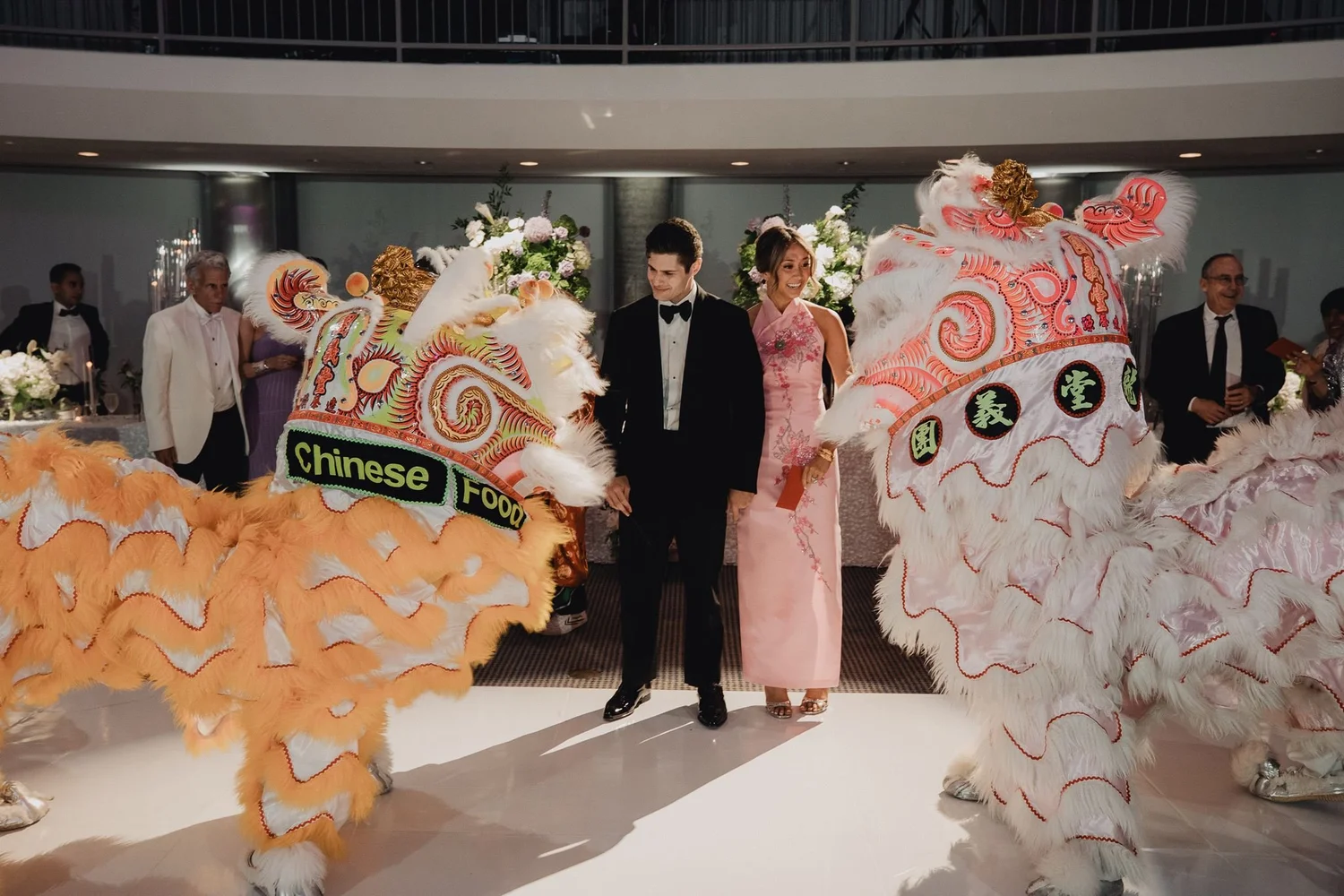
- Two dances at once. At a Vietnamese and Lebanese wedding, a lion dance and a zaffe drum line entered together. See lion dance.
Coins, cord and eighteen roses
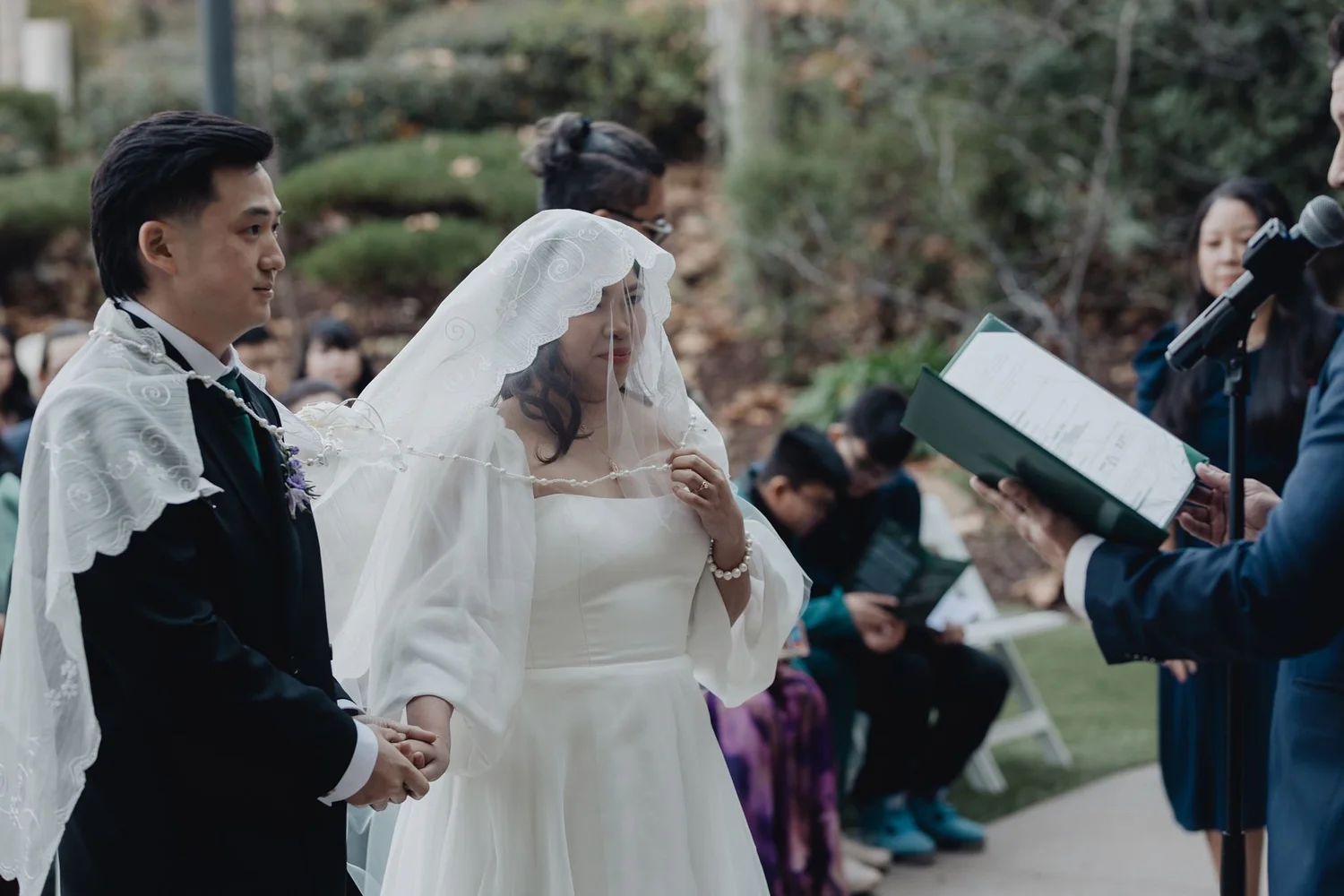
- Coins, cord and veil. The arras (thirteen coins), the lazo cord and the veil appear in both Filipino and Mexican Catholic ceremonies. See veil, cord and coin.
- The debut. A Filipina’s eighteenth birthday, with eighteen roses, eighteen wishes, eighteen treasures and a dance with her father.
- The money dance. Guests pin bills on the couple during a dance: loud, fast and very photogenic.
More on Filipino weddings and Mexican wedding traditions.
Sugar, mirrors and morning drums
- Sugar over the couple. At a Persian sofreh aghd, women from the family rub sugar cones together over a cloth held above the couple, for a sweet life. See sofreh aghd.
- The mirror. In an Afghan aina mosaf, the couple sees each other in a mirror. One couple skipped it for timing and asked for traditional dances with cousins instead.
- The morning party. At an Armenian wedding, the day can start with drums and toasts at the groom’s family home before he collects the bride. See Armenian weddings.
Bread, salt and a brandy toast
- Bread and salt. Polish parents greet the couple with bread, salt and a shot of vodka after the grand entrance.
- The brandy toast. A Czech family poured a glass for every guest and shared a ceremonial shot with the couple.
- Church rules. Orthodox and Catholic churches often hand photographers a page of rules about where to stand. We read it before the day.
The broom and the second outfit
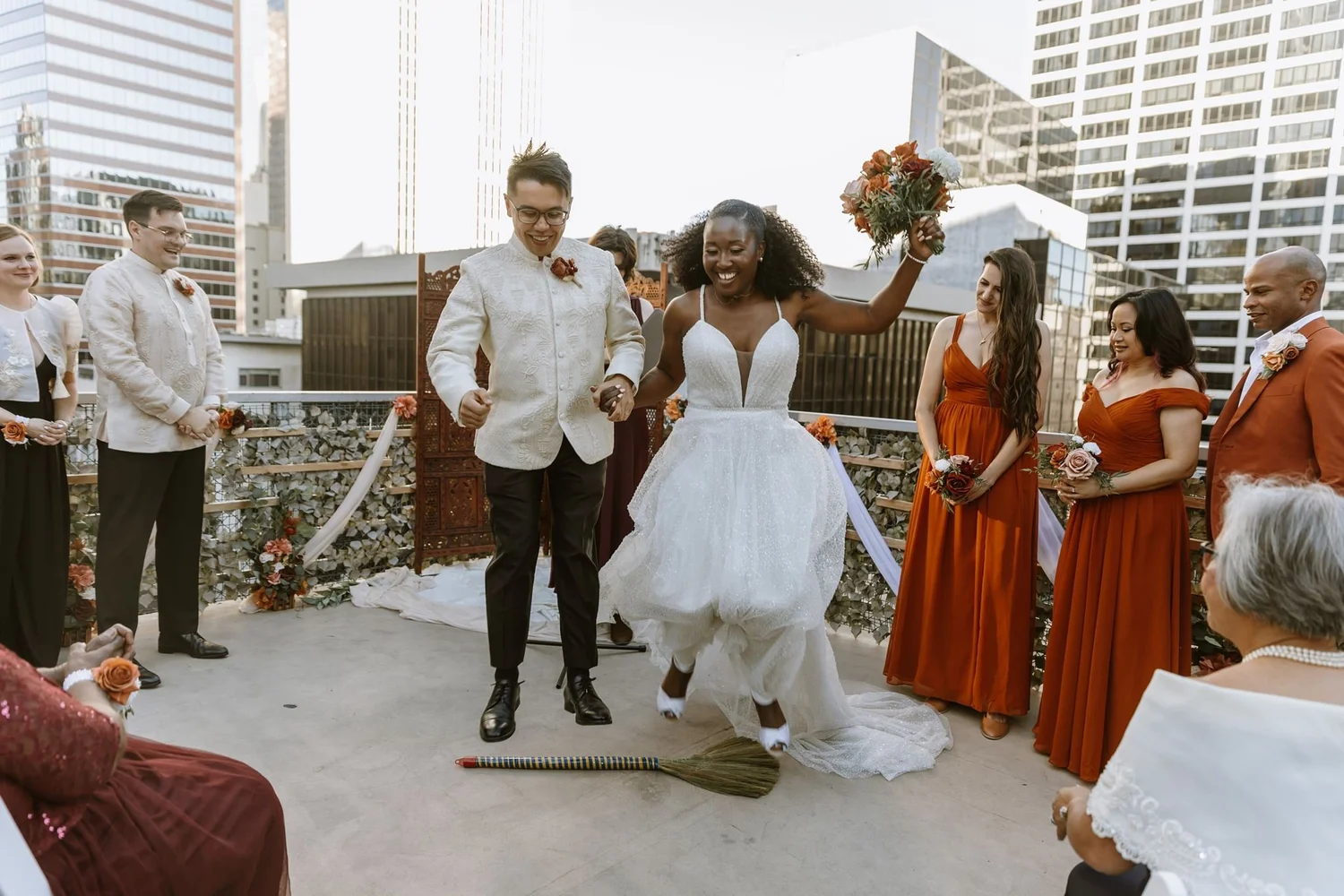
- Jumping the broom. A Filipino and Black couple combined Filipino rites in the ceremony with jumping the broom at the end.
- The second outfit. A Nigerian couple who held their traditional ceremony abroad changed into cultural attire at their reception here. See Nigerian traditional engagements.
Planning more than one tradition?
Two ceremonies in one day is now common: a tea ceremony in the morning and a Western ceremony at sunset, or a Hindu ceremony followed by a white-dress ceremony after a break of a few hours.
Give yourselves time to change, eat and rest between them, and plan family photos for each outfit. Our multicultural wedding planner helps you merge the running order.
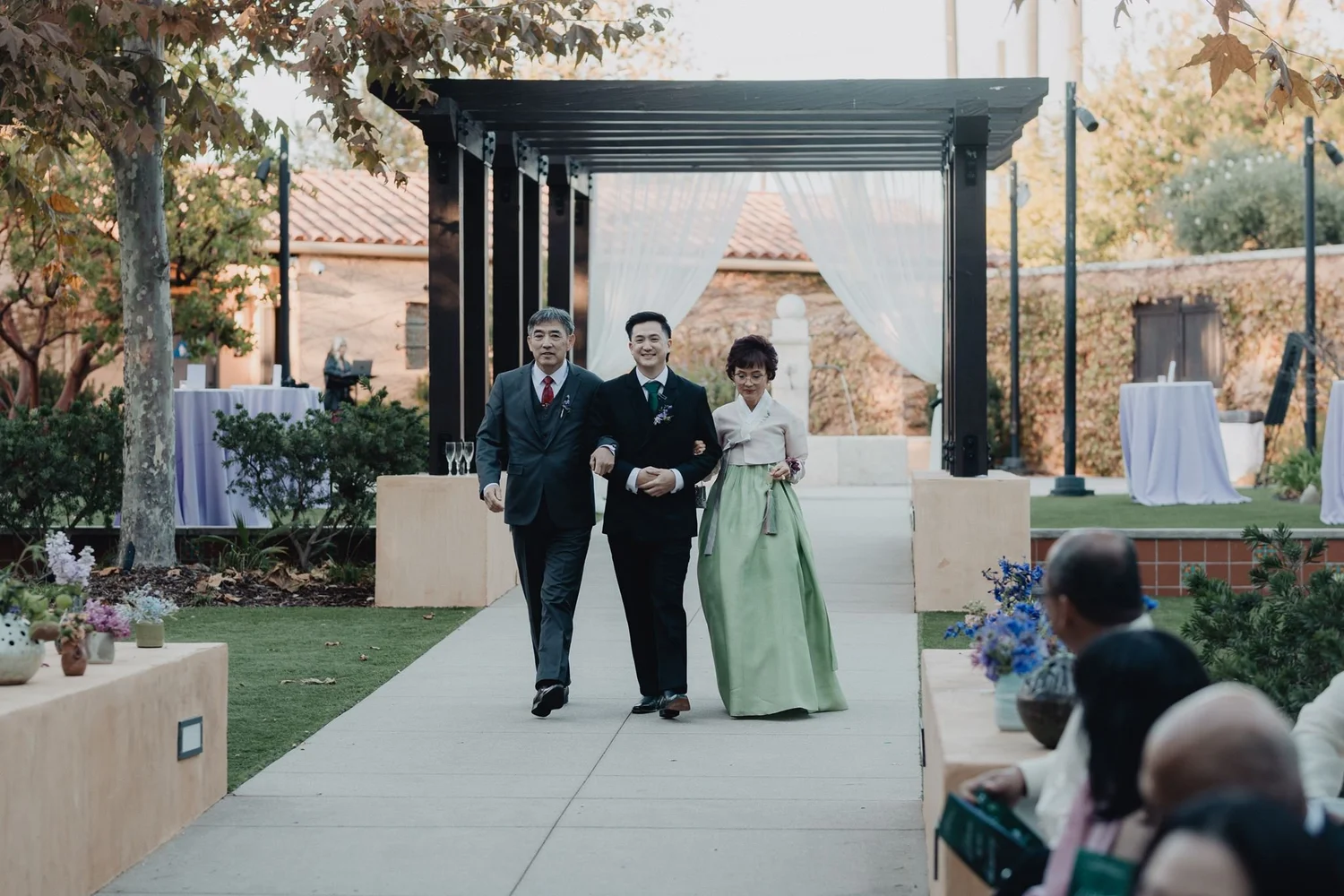
We always ask one question before a cultural ceremony: which moment would your grandmother be most upset to miss? The answer is never the one on the printed program.
Lulan Studio · wedding photographers & filmmakers
Traditions, answered
How do we combine two cultural traditions in one wedding?
Many couples hold two ceremonies on the same day, with a break in between, or fold a short ritual such as a tea ceremony or a lasso into one ceremony. Plan time for outfit changes and family photos in each look.
When should a tea ceremony happen?
Usually in the morning, or before lunch and speeches, while guests are focused. Some couples hold it during cocktail hour instead.
How long before a baraat should the photographer arrive?
About three hours, so there is time for jewelry and outfit details, couple portraits and family photos before the ceremony.
Do you photograph cultural ceremonies you haven’t seen before?
Yes. We ask your family to walk us through the order and the moments that matter most, and we read any rules from the temple, church or officiant beforehand.
More from our couples
Tell us about your traditions
Every family does it a little differently. Walk us through yours on a call, and we will plan the day around the moments that matter to you.