The wedding day, hour by hour
Timelines drawn from the weddings we photograph across Southern California, blended and rounded so you can shape your own.
Start from a real day, then make it yours
Every timeline here is a composite of weddings we have photographed, with times rounded to the quarter hour. Pick the one closest to your day, then adjust it around the things that cannot move: a ceremony time set by a church or temple, sunset, a venue’s end time.
If your wedding follows a particular tradition, or is at a venue we know well, the guides further down have timelines for exactly that.
A classic eight-hour wedding day
Every wedding collection includes eight hours. These are the two shapes most days take, and what changes when the ceremony is at a church.
Eight hours with a first look
- 12:30 PMCoverage begins. Details, rings and invitations, then the last of hair and makeup.
- 1:30 PMGetting into the dress and suit, with family close by.
- 2:15 PMFirst look, then couple portraits in the afternoon light.
- 3:00 PMWedding party and family photographs, finished before guests arrive.
- 4:00 PMCeremony.
- 4:30 PMCocktail hour. Guest candids and any family groups still missing.
- 5:30 PMGrand entrance, dinner, toasts and first dances.
- 7:30 PMA short set of sunset or night portraits, then open dancing.
- 8:30 PMCoverage concludes.
Eight hours without a first look
- 1:30 PMCoverage begins with details and getting ready.
- 3:00 PMPortraits of each of you with your own wedding party, apart.
- 4:00 PMGuests arrive. The ceremony setup is photographed while it is still empty.
- 4:30 PMCeremony.
- 5:00 PMFamily photographs, then couple portraits while guests enjoy cocktail hour.
- 6:15 PMGrand entrance, dinner and toasts.
- 7:45 PMFirst dance, cake cutting and open dancing.
- 9:30 PMCoverage concludes, often with a send-off.
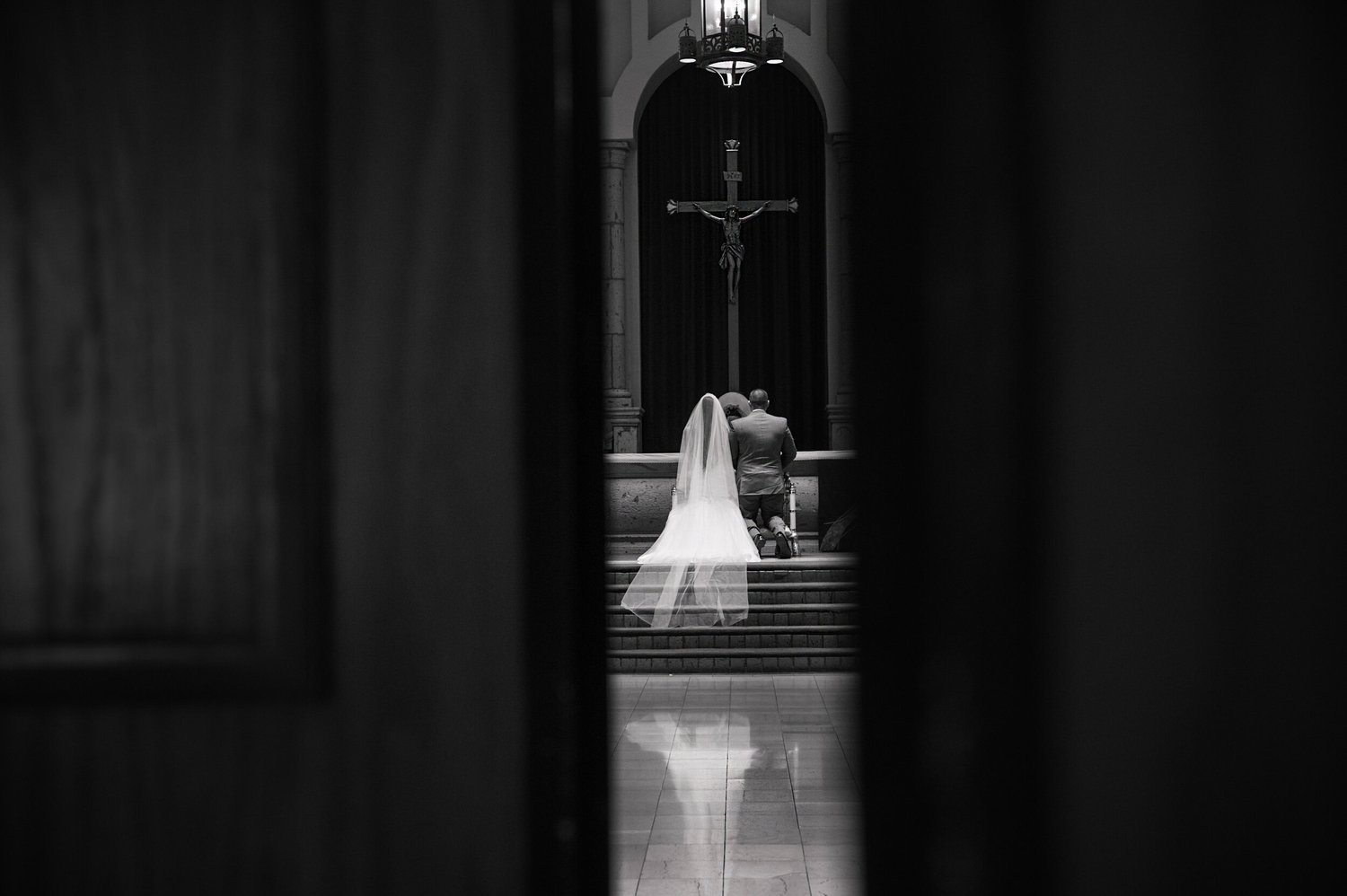
Ten hours with a church ceremony first
- 11:00 AMCoverage begins with getting ready and details.
- 12:30 PMTravel to the church.
- 1:00 PMCeremony or Mass.
- 2:15 PMFamily photographs at the church, then portraits on the way to the venue.
- 4:00 PMA standby break while the venue is set.
- 5:30 PMCocktail hour and the grand entrance.
- 6:30 PMDinner, toasts and first dances.
- 9:00 PMCoverage concludes.
When a ceremony tradition sets the clock
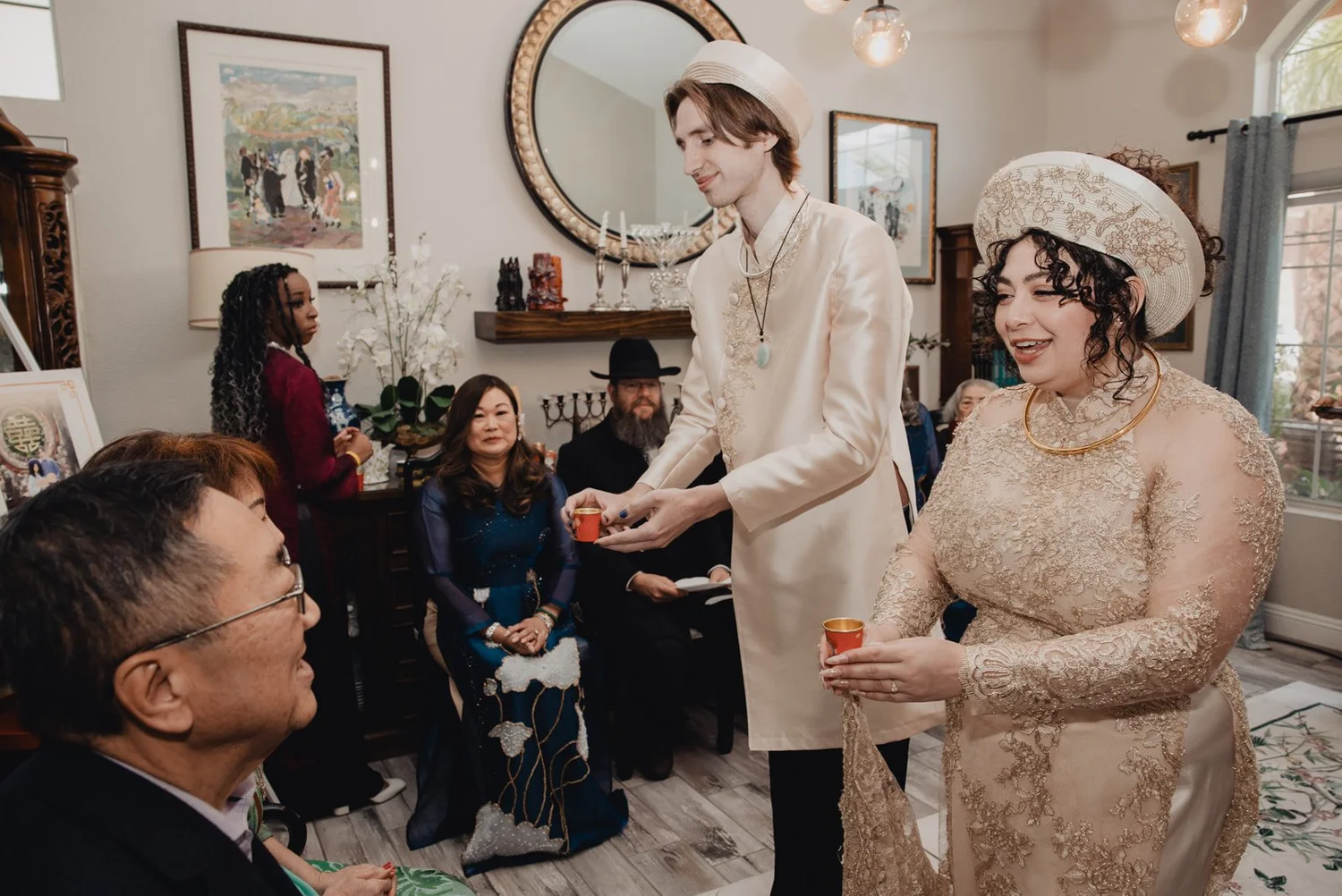
A tea ceremony, a temple ceremony or a Catholic Mass fixes part of the day before anything else is planned. These are the shapes we see most often.
Morning at the family home
- 9:00 AMCoverage begins. House details, decor, the altar, traditional attire and jewelry.
- 9:30 AMThe groom's family arrives, with door games where they are planned.
- 10:00 AMTea ceremony. Introductions, prayers, then serving tea to elders and relatives. Allow one to two hours.
- 11:30 AMFamily photos, often many small groups, then couple portraits in traditional attire.
- 12:00 PMLunch at the house or a nearby restaurant.
- 12:30 PMA break with no active shooting while everyone rests, changes and travels.
- 2:30 PMCoverage resumes at the venue or church for the Western part of the day.
A temple ceremony day
- 7:00 AMCoverage begins. Getting ready, attire and jewelry, individual portraits.
- 8:00 AMArrivals, elders greeted, mandap and ritual details photographed.
- 9:00 AMCeremony begins. Opening blessings, entries, the garland exchange, then the core rituals.
- 12:00 PMRituals conclude. Stage group photographs, which take longer than couples expect.
- 12:45 PMFamily and couple portraits on the temple grounds.
- 1:30 PMLunch reception, speeches, guest candids.
- 3:00 PMCoverage concludes, or earlier when the lunch is a short one.
A midday ceremony, evening reception
- 8:00 AMCoverage begins. Getting ready on both sides, then a first look where there is one.
- 9:45 AMBaraat, with the procession and the greeting at the ceremony site.
- 10:15 AMCeremony.
- 12:30 PMStage photographs, family groups and couple portraits.
- 1:30 PMStandby break. Guests rest and the couple changes for the evening.
- 4:30 PMCoverage resumes. Evening portraits and reception details.
- 5:30 PMCocktail hour and guest candids.
- 6:45 PMReception. Grand entrance, first dance, speeches, dinner.
- 10:00 PMCoverage concludes.
Elopements, courthouse days and small weddings
Not every wedding needs eight hours. A short day still has an order to it.
One hour: the ceremony and portraits
- 3:00 PMCoverage begins. Arrival, check-in if it is a courthouse, and a few frames of the two of you before.
- 3:15 PMCeremony, usually ten to twenty minutes. Vows, rings, the first kiss.
- 3:30 PMSigning the license, a photo with the officiant, then a few family or witness groupings.
- 3:45 PMPortraits of the two of you nearby: the steps, a lawn or garden, a corridor with good light.
- 4:00 PMCoverage concludes.
Two hours, ceremony and a walk to City Hall
- 2:00 PMCoverage begins outside the Beverly Hills Courthouse. Arrivals, rings, flowers and a few portraits before you go in.
- 2:15 PMCheck in for your appointment. Candid frames while you wait.
- 2:30 PMCivil ceremony in the ceremony room, about ten to fifteen minutes. Vows, rings, the kiss and the signing.
- 2:45 PMThe exit, then group photographs with family and friends on the courthouse steps.
- 3:00 PMA short walk to Beverly Hills City Hall. Candid frames along the way.
- 3:15 PMPortraits in the arcade, under the palms and in the gardens. Family groupings as you need them.
- 4:00 PMCoverage concludes in the late afternoon light.
Four to five hours: ceremony and a meal
- 2:30 PMCoverage begins. Getting ready in one location, details and final touches.
- 3:15 PMFirst look and couple portraits, if you want one.
- 3:45 PMGuests arrive. Ceremony setup photographed while it is still empty.
- 4:15 PMCeremony.
- 4:45 PMFamily photographs, then golden-hour portraits of the two of you.
- 5:30 PMDinner begins. The table, the room and the first candids.
- 6:00 PMToasts, placed early in the meal so they fall inside coverage.
- 6:30 PMCake cutting, then coverage concludes.
What the numbers say
Figures from the weddings we photograph, to help you decide how many hours you need and when to start.
Where the buffer goes
Most wedding days run late in the same few places. This is where we build in room.
Guides for your kind of day
Each of these pages has its own timelines, drawn from the weddings we photograph.