
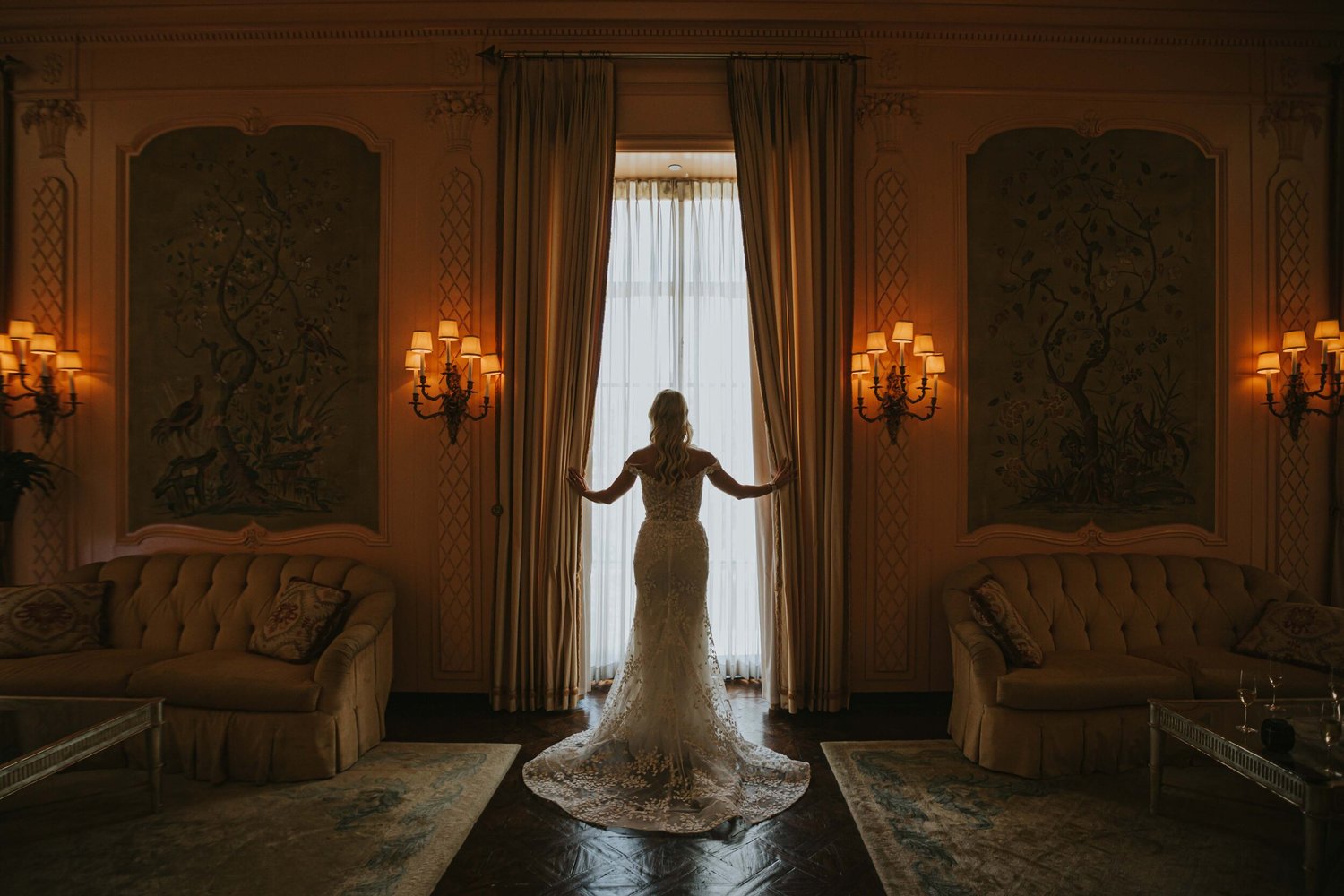
How to avoid wedding day delays and keep your timeline on track
This video explains where wedding delays actually happen, how much buffer we and your planner build in, and how lost time is made up afterwards.
 2:47
2:47
Why weddings run late and how we plan for it
Weddings often run late. Sometimes the makeup artist came late, sometimes the hair was not done on time, and sometimes it is just one of those days where things are out of control. There is nothing to worry about: we have seen many weddings delayed by hours and hours, even church weddings.
First, check that everything is happening on time and no one is holding things up. If you realize we are behind schedule, push a little and make sure everybody is aware of it. Usually the planner or the photographer has already put in an extra 15 to 30 minutes of buffer time, so do not worry if things are not entirely on time.
If things are really delayed we still have a plan B; we know ways to compensate for lost time, and a lot of photos can be done a second or third time in a different location. If we are seeing more than 30 minutes of delay, correct it here and there so it never becomes a 1 hour or 2 hour delay.
The delay usually only happens during the getting-ready portion. Once the ceremony is done, even if it was delayed, usually by 45 minutes, we can still correct it during the reception, and your reception time will still be the same. Have a good plan and stick to it.
Where the buffer lives in your timeline
The 15 to 30 minutes of buffer is not one block at the start of the day. It sits where lateness gets absorbed: between the end of getting ready and departure, in the drive to the ceremony, and before guests arrive when you are already tucked away.
What the buffer cannot absorb is a delay that keeps growing. Hair that finishes 20 minutes late is fine. Hair that finishes late, then an unplanned makeup touch-up, then a hunt for the groom's tie, is how a 30-minute slip becomes 90 minutes.
Recovering time after the ceremony
Once the ceremony ends, the reception is a fixed point: dinner is served and the venue closes at set times. That is why lateness before the ceremony can be corrected afterwards. If family photos or couple portraits were cut short, we take ten minutes at sunset instead.
Doing photos a second or third time in a different location is not a compromise. Portraits under a low evening sun are often better than the ones planned for 2 p.m., and a group photo at the reception venue can replace one on the church steps.
- Confirm hair and makeup finish times with the artists, not just start times.
- If you are more than 30 minutes behind, cut something now rather than later.
What our team does about this on the day
Watching the clock for you
We know the getting-ready schedule and check it as we work. When hair or makeup is running behind, we say so early, so a small push at 11 a.m. saves an hour of stress at 3 p.m.
Using the buffer, then plan B
The first 15 to 30 minutes of lateness disappear into the buffer your planner set up. Beyond that we switch to plan B: reorder the portraits, move a group photo to the venue, and note anything to pick up later.
Correcting during the reception
If the ceremony ran 45 minutes late, we make it up in the reception window rather than pushing dinner. Family photos happen at the venue, couple portraits move to sunset, and your reception timeline stays where it was.
Where the buffer sits in real timelines
These composites come from timelines we have planned with couples and planners, rounded to the quarter hour. Each one shows where the extra minutes are placed and which moments are fixed, so a late start has somewhere to go.
Church ceremony, reception somewhere else
- 12:00 PMCoverage begins. Hair and makeup should be finishing, not starting.
- 1:15 PMFirst look, wedding party and family portraits, finished before anyone leaves.
- 2:30 PMLeave for the church with thirty minutes set aside for the drive and parking.
- 3:00 PMArrive and stay out of sight while guests are seated. This is the first buffer.
- 3:30 PMCeremony, thirty minutes to an hour depending on the service.
- 4:30 PMFamily formals at the church, fifteen to thirty minutes from a written list.
- 5:00 PMDrive to the reception, with a short portrait stop only if the clock allows.
- 5:30 PMRest before the entrance. Coverage pauses, and this window absorbs any earlier slip.
- 6:30 PMGrand entrance. The reception runs to its planned times.
One venue, portraits before the guests
- 2:15 PMPhotographers arrive. Hair and makeup are done or in final touches.
- 2:30 PMDetails and getting dressed, with a second photographer on the other side.
- 3:15 PMFirst look and couple portraits.
- 3:45 PMWedding party photos, full group first, then each side.
- 4:00 PMFamily formals, immediate family first, then extended, grouped by side.
- 4:30 PMFifteen to thirty minutes of buffer. Touch-ups, water, and out of sight.
- 5:00 PMGuests arrive. Ceremony setup photographed.
- 5:15 PMCeremony, twenty to thirty minutes.
- 5:45 PMCocktail hour is free for the couple. Any missed groups are picked up here.
A morning temple ceremony inside a set window
- 8:45 AMTeam arrives. Setup, temple details and the mandap before families gather.
- 9:15 AMCouple portraits in the areas where photography is permitted.
- 9:45 AMImmediate family portraits, elders first.
- 10:00 AMBaraat or the groom's arrival with family.
- 10:15 AMCeremony at the mandap, usually one and a quarter to one and a half hours.
- 11:45 AMBlessings from elders, then family formals at the mandap.
- 12:15 PMCouple portraits on the grounds and larger groups.
- 12:45 PMWrap before the temple window closes.
Where days most often need extra room
About 70% of the timelines we plan include a first look, which moves most portraits before the ceremony, where a delay is easiest to absorb. These are the other places we build room in.
Couples usually ask
What is the most common cause of wedding day delays?
Getting ready. The delay almost always starts there, usually because the makeup artist arrived late or hair was not done on time. Once the ceremony is over the day tends to hold its shape, so the morning is the part to watch.
How much buffer time should we build in?
Your planner or photographer is usually already putting in an extra 15 to 30 minutes, so ask where it sits. If nobody has added any, put it between the end of hair and makeup and your departure, where a late start hurts most.
What happens if our ceremony starts late?
Usually nothing you will notice. Even a ceremony delayed by 45 minutes can still be corrected during the reception, because we shift portraits and group photos into the reception window rather than pushing your dinner. Your reception time stays the same.
Can missed photos really be done later?
Yes, and often better. Photos can be done a second or third time in a different location: family groups at the venue instead of the church, couple portraits at sunset instead of midday. We keep a list so nothing is dropped.
Related guides from the series
Twenty-eight short videos answering the questions couples ask us before the day.
See all 28 wedding planning guides, or read the studio FAQ.
Planning a wedding in Los Angeles, Orange County, San Diego or Las Vegas?
Fifteen artists, 2,300+ weddings and 382 five-star reviews. Tell us your date and venue and we will map the whole day with you.