

Planning/Every skin tone, done right
Light, color and skinYour skin, true to life
Couples asked us this all year: will we look like ourselves? Here is how we light and edit every skin tone, and how two very different skin tones can share one frame.
- It starts withLight on faces
- EditedPhoto by photo
- Bright colorsKept bright
- RetouchingPermanent features only if you ask
Good skin color is decided when the photo is taken, long before anyone edits it.
Couples told us about past photos where one partner looked washed out and the other disappeared into shadow, or where a muted, filmic edit turned a red lehenga brown. Those are real problems, and almost all of them can be avoided.
Here is how we approach light and color, and what you can tell any photographer so that you look like yourselves.
It starts with light
We expose for your faces, not for the sky or a white dress. That single choice decides more about skin than any edit.
When two very different skin tones share a frame, both faces need even light. We turn couples toward the light rather than side-on to it, so neither partner is lit while the other falls into shadow.
After dark, under string lights or colored uplighting, we add soft light of our own, shaped to give skin a gentle highlight instead of a flat, flashed look. If you can see each other, there is enough light for us to work with.
Color that belongs to you
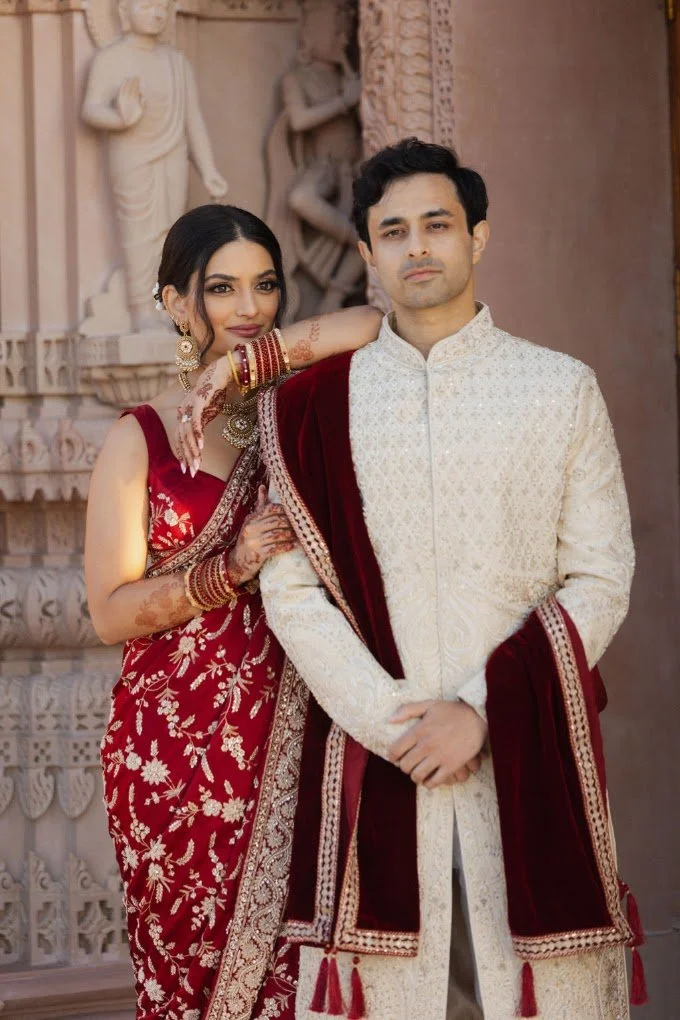
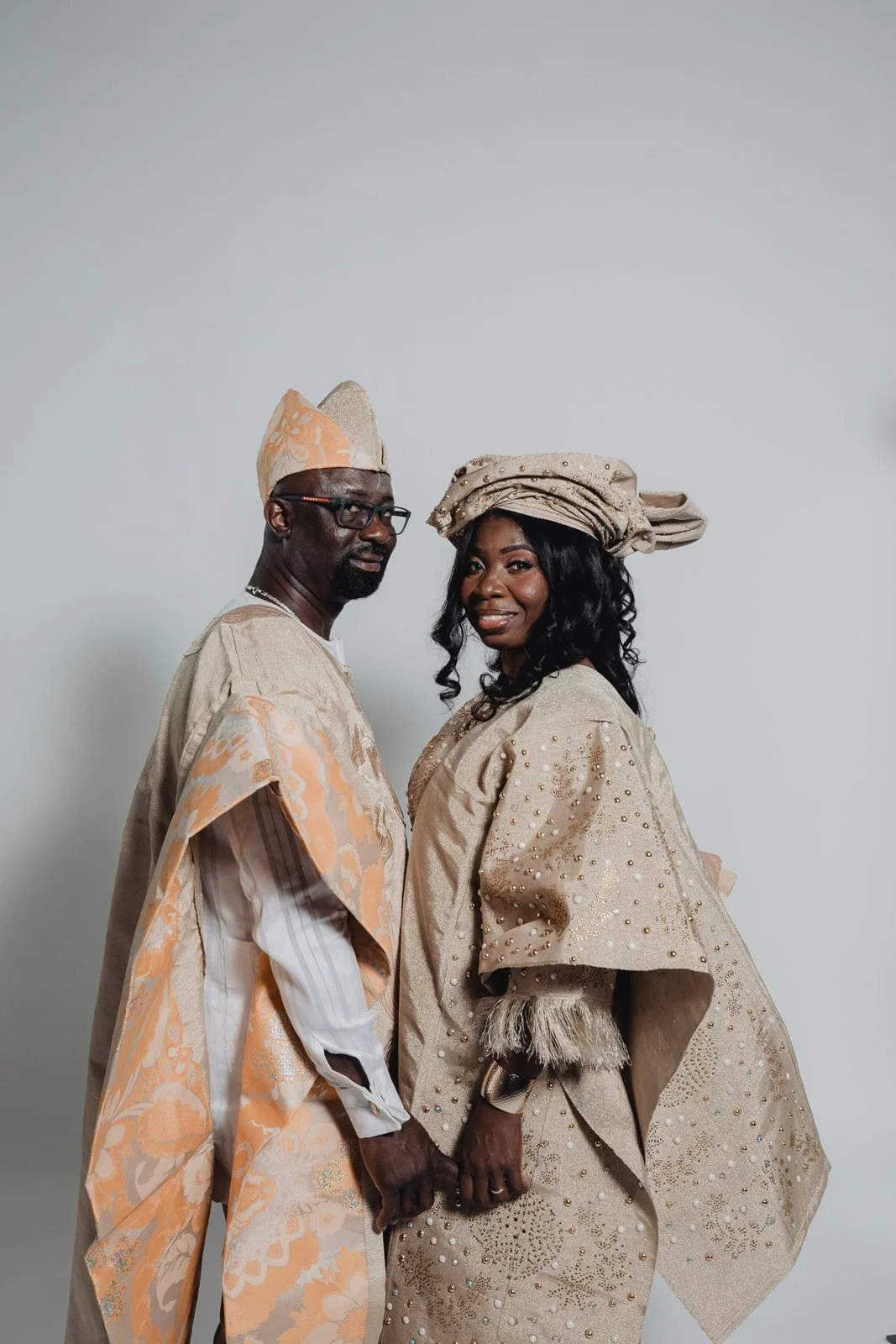
Some weddings suit a quiet, film-like palette. Others are built on saturated reds, golds and greens, and muting them would be a mistake. At colorful South Asian, Nigerian, Mexican and Chinese weddings, we hold back our own look so the clothes and the skin stay true.
We edit photo by photo, adjusting skin for each kind of light it was taken in: daylight, warm indoor bulbs, colored stage washes, candles.
Fabric can shift color under mixed light too. Tell us your exact colors, such as blush, champagne or emerald, and we will check them on the day.
What we retouch, and what we don’t
We do
- Remove temporary blemishes and redness.
- Tidy stray hairs and visible straps where we can.
- Soften harsh shine under hot lights.
- Balance skin under mixed light so it matches across the gallery.
We don’t
- Change the shape of a face or body unless you ask.
- Remove freckles, scars or wrinkles unless you ask.
- Lighten or darken anyone’s skin.
- Push a trendy color grade over your real colors.
Gallery-wide facial retouching is available as an add-on if you would like a polished finish on every photograph.
Tell your photographer this
Share photos of people who look like you
References with skin tones like yours tell a photographer more than any adjective.
Name your colors
Dress, outfit and wedding party colors, as exactly as you can.
Mention rituals that add color
Haldi, mehndi, colored powder and petals change skin and clothing, so we plan family photos before them.
Say what you want softened
Acne, a tan line or a scar: tell us whether you want it retouched or left as it is.
Ask to see a full wedding
Not just highlights. We share full galleries from couples like you, with their permission.
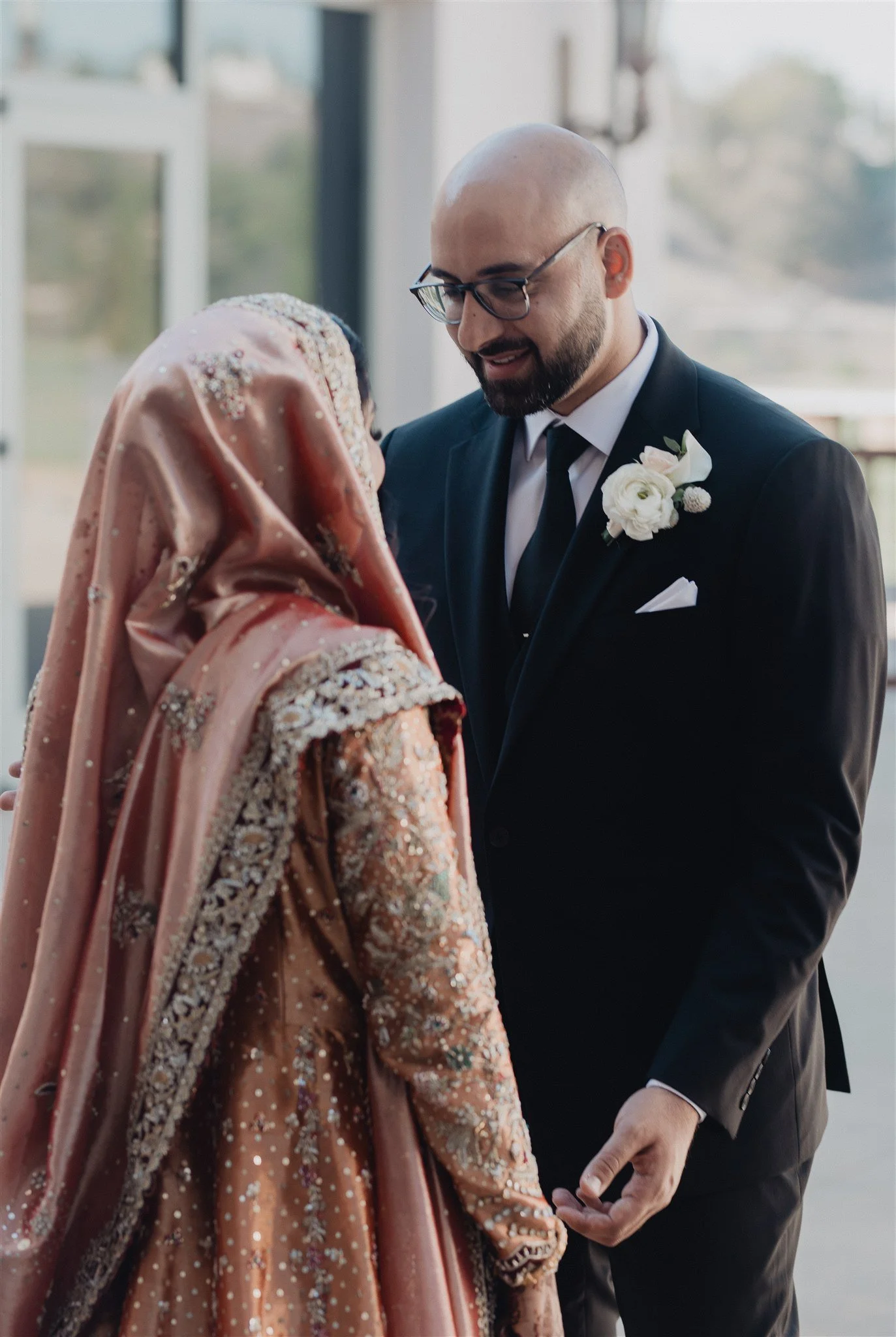
The question we ask ourselves in the edit is simple: does this look like the person we met? If a mother would say “that’s not her color,” it isn’t right yet.
Lulan Studio · wedding photographers & filmmakers
Skin and color, answered
Should darker skin be photographed and edited differently?
It should be exposed and color-balanced for the person, not for the sky or a pale dress. We expose for faces and adjust skin for each kind of light, photo by photo.
How do you photograph a couple with very different skin tones?
With light that reaches both faces evenly. We turn couples toward the light rather than side-on, and add soft light after dark so neither partner disappears.
Will a moody edit dull our wedding colors?
It can, which is why we hold back our own look at colorful weddings. Bright lehengas, saris, aso ebi and qipao stay bright.
Do you retouch skin?
Temporary blemishes are removed as standard. Permanent features are only changed if you ask. Gallery-wide facial retouching is available as an add-on.
More from our couples
Want to see weddings like yours?
Tell us about your families and your colors. We will share full galleries from couples like you, with their permission.