

Muslim Wedding Photographer
Muslim Wedding Photographer and Videographer
Muslim Weddings
Muslim weddings bring together faith, family, and celebration in ways that reflect the incredible diversity of the global Muslim community. From the sacred simplicity of the Nikah ceremony to the joyful energy of a multi-day celebration, every Muslim wedding is shaped by the couple's culture, family traditions, and personal values. Los Angeles is home to a vibrant and diverse Muslim community — including South Asian, Middle Eastern, Southeast Asian, African, and many other backgrounds — and Lulan Studio is honored to photograph weddings across this rich cultural landscape.
Photographing a Muslim Wedding
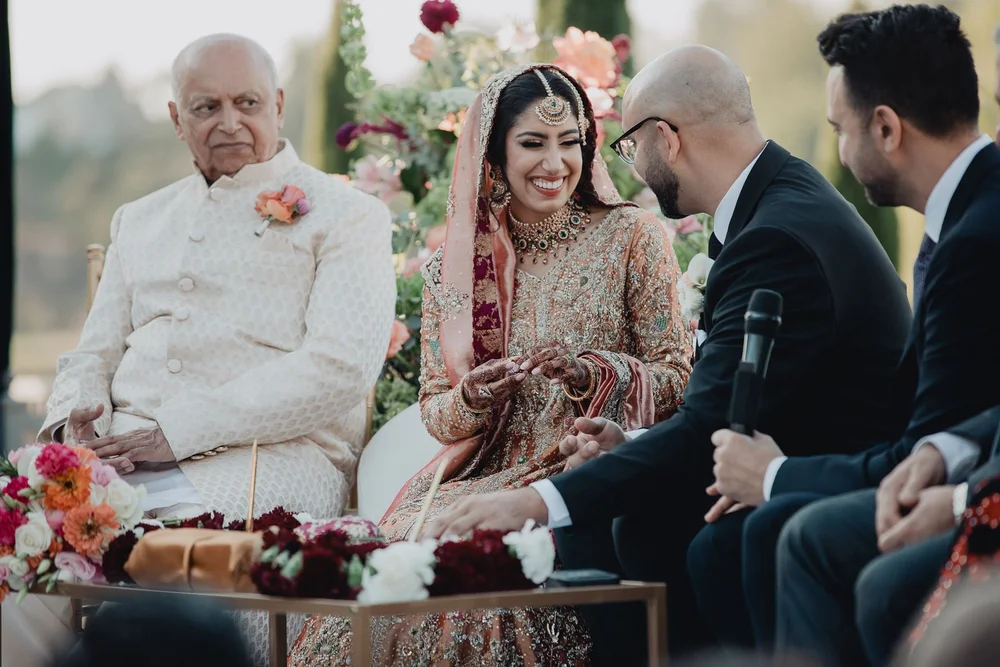
A Muslim wedding can take many forms depending on the couple's heritage and family customs, and no two celebrations look exactly alike. Lulan Studio approaches every Muslim wedding with the same commitment we bring to any culturally meaningful celebration: taking time beforehand to understand the couple's traditions, the flow of their ceremony, and any customs around modesty or family involvement, so we can document the day thoughtfully and respectfully.
The Nikah Ceremony
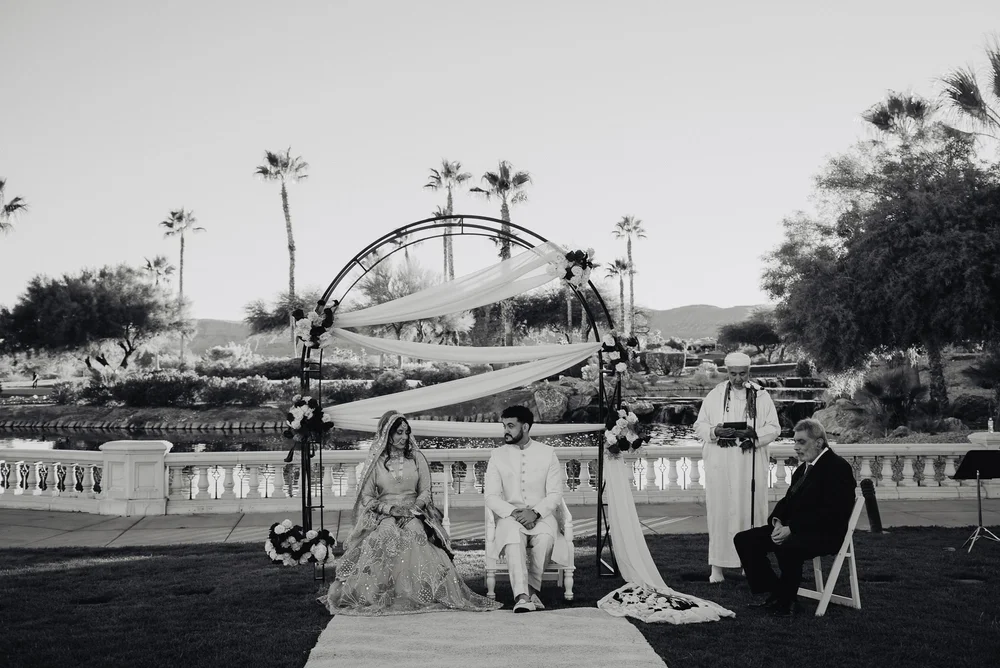
At the heart of most Muslim weddings is the Nikah, the marriage contract ceremony that formally unites the couple. Depending on the family and community, the Nikah may be an intimate gathering or a larger event, often including readings, blessings, and the signing of the marriage contract. We work closely with each couple ahead of time to understand how their Nikah will unfold so we can capture its meaningful moments with care.
Mehndi and Pre-Wedding Celebrations
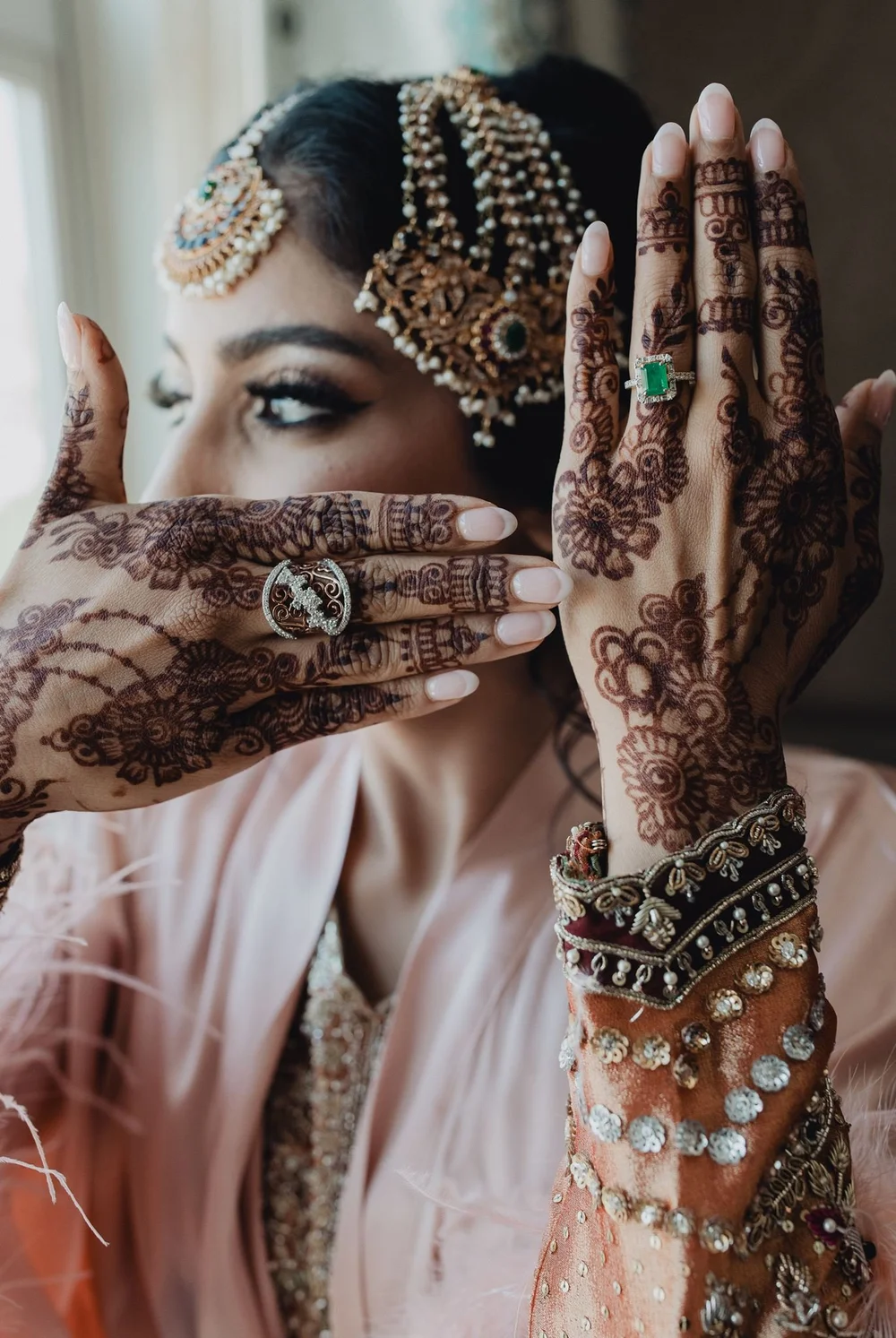
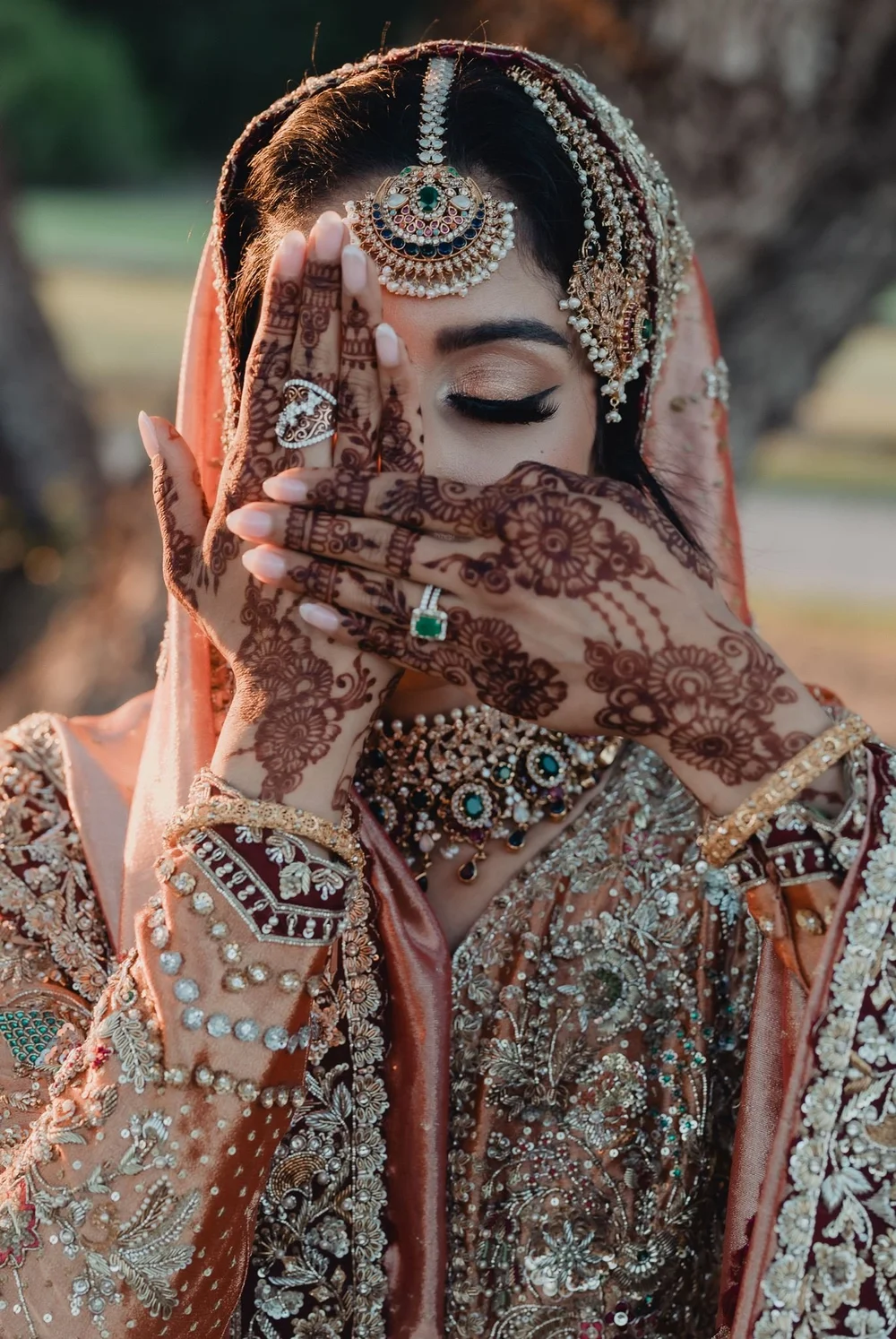
Many Muslim weddings, particularly within South Asian and Middle Eastern communities, include festive pre-wedding events such as a mehndi or henna celebration, filled with music, color, and family gathering. These celebrations are full of joy and connection, and we love photographing the laughter, dancing, and intricate henna designs that make each one unique.
The Walima Reception
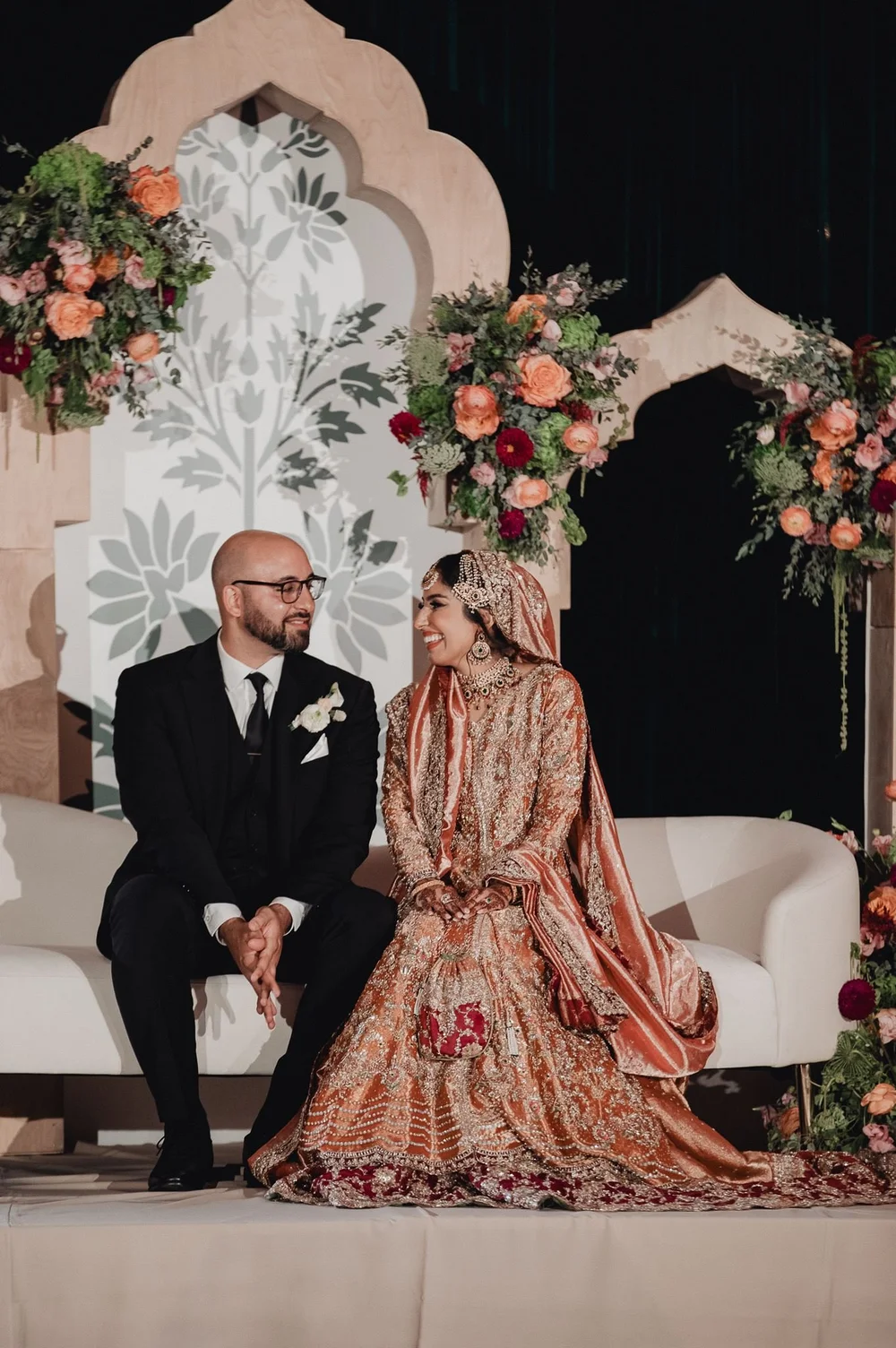
Following the Nikah, many couples celebrate with a walima, a reception hosted to share the marriage with extended family and friends. Walimas can range from intimate dinners to large, elaborate celebrations with dancing and entertainment. Whatever the scale, we focus on capturing the genuine emotion, connection, and celebration that bring the couple's community together.
A Global and Diverse Community
Los Angeles's Muslim community reflects an extraordinary range of cultures and traditions, and we're fortunate to photograph weddings that draw on South Asian, Persian, Arab, African, and many other heritages, often blended within a single family. Our experience spans Los Angeles's broader multicultural wedding landscape, from Persian wedding celebrations to Indian wedding traditions, and we bring that same cultural attentiveness to every Muslim wedding we photograph.

What to Expect from Your Coverage
Muslim weddings often unfold across multiple events, from pre-wedding celebrations through the Nikah ceremony and into a walima reception. Our coverage runs anywhere from two to sixteen hours, built around your day, and we work with each couple to structure coverage around their specific celebration, whether it spans a single day or multiple events.
Ceremony Coverage
Bridal and groom preparations
Arrival and family greetings
The Nikah ceremony and contract signing
Blessings and well-wishes
Reception Coverage
Grand entrance and family introductions
Mehndi or pre-wedding celebration highlights
Walima dinner and toasts
Dancing and late-night celebration
Every Muslim wedding is different, and we take time to understand which moments matter most to each couple and their families. To see more real weddings we've photographed across Los Angeles's diverse communities, visit our journal.
FAQ for Muslim Weddings
Does Lulan Studio have experience photographing Muslim weddings?
Yes. We've photographed Muslim weddings across Los Angeles representing many different cultural backgrounds, including Nikah ceremonies and walima receptions. We take time before every wedding to understand each couple's specific traditions and family customs so we can photograph the day with care and respect.
Will you photograph the Nikah ceremony?
Absolutely. The Nikah is often the heart of a Muslim wedding, and we prioritize thoughtful, respectful coverage of this ceremony alongside any celebrations that follow.
Are you comfortable with modesty considerations or gender-separated celebrations?
Yes. We understand that families may have specific preferences around modesty, seating, or gender-separated portions of the celebration, and we're happy to discuss these details ahead of time so your coverage feels comfortable and respectful throughout.
Do you photograph both the Nikah and walima in one package?
Yes. Our coverage runs anywhere from two to sixteen hours, built around your day, which can be structured to cover the Nikah ceremony, walima reception, or both. View our wedding photography rates to find the collection that best fits your celebration.
How do we check availability for our wedding date?
The best way to check availability is to reach out through our contact page. We're happy to discuss your date, your traditions, and how we can best document your Muslim wedding. If the date is still open, our guide to South Asian wedding dates for 2027 and 2028 shows the weekends the Hindu muhurat calendar closes, which are often the easiest dates to book for a nikah.
Explore more: Indian wedding photography · Wedding photography services
Explore Our South Asian Wedding Guides
South Asian Weddings · Indian Wedding Photographer · Punjabi Weddings · Sikh Weddings · Multicultural Weddings · Haldi Ceremony · Mehndi Ceremony · Sangeet · Baraat · Malibu Hindu Temple · Indian Hills Golf Club · Temple Wedding Venues · Nikah Ceremony · Auspicious Wedding Dates 2027 & 2028
How a Muslim wedding is usually built
Most of these weddings run as separate events rather than one continuous day. A mehndi, a nikah and a walima each carry a different guest list, a different mood and a different team.
Three events across three days
- Day 1, eveningMehndi or henna night, at a family home, clubhouse or event room. Around four hours, sometimes one photographer.
- Day 2, middayGetting ready on both sides. Details, attire and jewelry.
- Day 2, afternoonFamily portraits, then the nikah.
- Day 2, eveningDinner and celebration after the ceremony.
- Day 3, eveningWalima or reception, the largest of the three. Six to eight hours, often with two photographers.
A full wedding day, ceremony into reception
- 2:00 PMCoverage begins. Details, attire, jewelry, decor and getting ready.
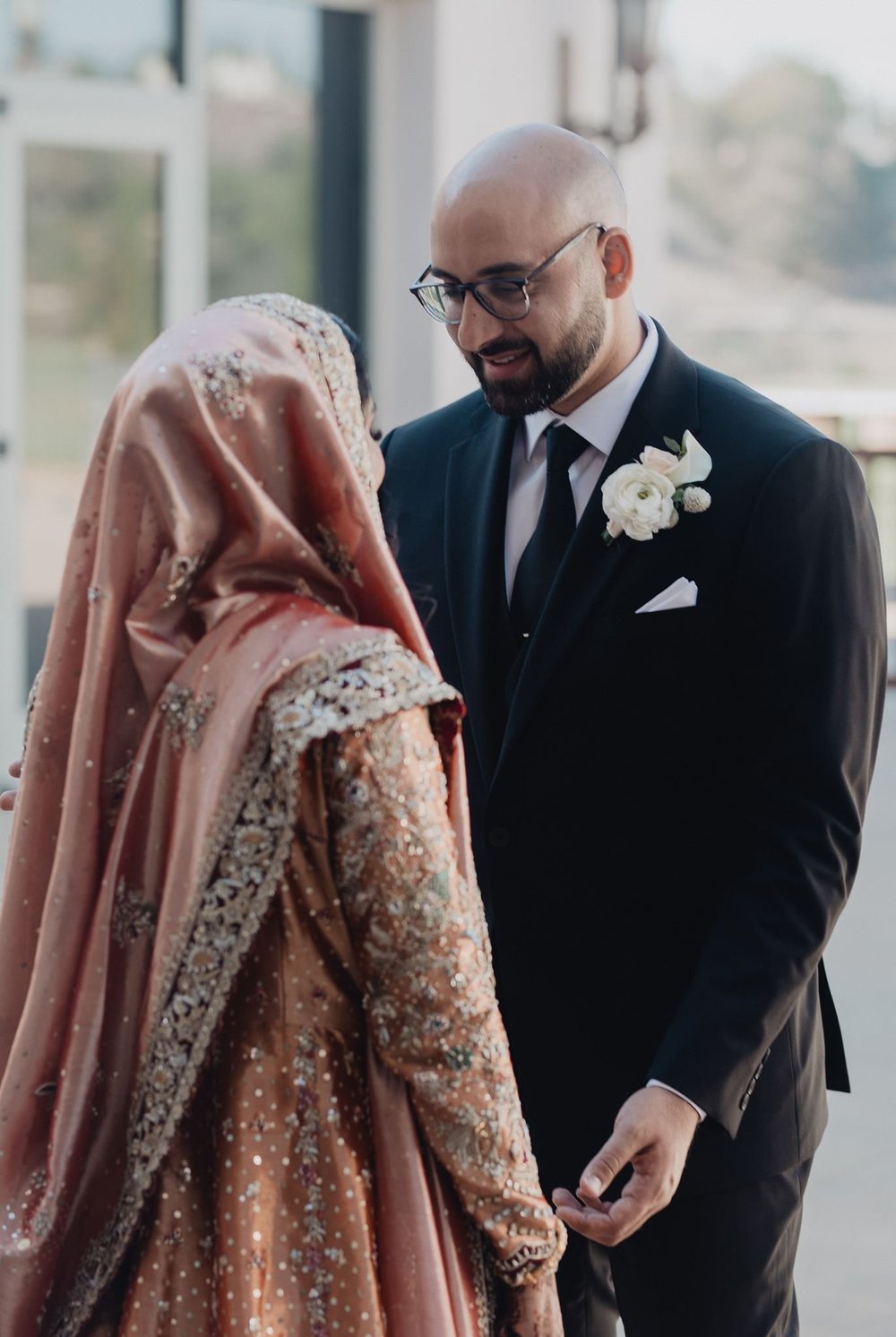
- 3:00 PMFamily and group portraits, each side and then together, often with a first look.
- 5:00 PMThe nikah, covered quietly and without flash. Often fifteen minutes to an hour.
- 6:00 PMPortraits and guest candids during the cocktail or mocktail hour, with a pause for sunset prayer where the family observes it.
- 7:30 PMReception. Grand entrance, often with drums, a zaffa or a baraat.
- 8:30 PMDinner, performances and dancing.
- 10:00 PMThe farewell or exit, which needs the team present for it, then coverage concludes.
Four to seven hours, an intimate nikah
- 2:00 PMCoverage begins. Light getting ready at home, details and guest arrivals.
- 2:30 PMNikah, at a mosque or at home.
- 3:30 PMFamily portraits immediately after, then couple portraits nearby.
- 4:15 PMTravel or a short break before the celebration.
- 5:00 PMThe celebration at the family home or venue. Couple welcome and guest candids.
- 6:00 PMDinner and family moments.
- 7:00 PMDancing, if there is any, then coverage concludes.
What shapes the timeline
The decisions that most often change the hours and the team.
Where these weddings happen
Venues and settings that recur across the Muslim weddings we photograph.
- King Fahad Mosque
- Anaheim Hills Golf Club
- Red Rock Resort, Las Vegas
- Garden Grove Sheraton
- Lake Mission Viejo Clubhouse
- The Landmark, Mission Hills
- Los Angeles banquet halls
- Ranch venues in Camarillo
- Family homes and backyards