
Hindu wedding ceremony · Los Angeles
Mandap Ceremony:
Meaning, Rituals & Photography
The sacred fire, the garlands, the seven steps — photographed from angles agreed with your priest before the ceremony begins.
The structure
The ceremonial center of the whole wedding
The mandap is the four-pillared, canopy-covered structure at the heart of a Hindu wedding — the sacred space where the couple, their families and the officiant gather for the rituals that make the marriage official. Built from wood, flowers and fabric and often elaborately decorated, it frames every key moment: the sacred fire, the vows, the blessings exchanged between two families.
It is also one of the most visually rich settings in Indian wedding photography, and we plan our entire ceremony coverage around it as part of our Indian wedding photography services.
Photographing Inside and Around the Mandap
Coverage here needs equal parts technical precision and cultural fluency. Rituals move quickly, the priest often speaks in Sanskrit or a regional language, and the key moments happen once.
- Agni, the sacred fire. We stay close enough to catch firelight on both faces without stepping into the priest’s space.
- The Saptapadi. Seven steps around the fire — we set a fixed line before it starts so all seven exist as a sequence rather than a blur.
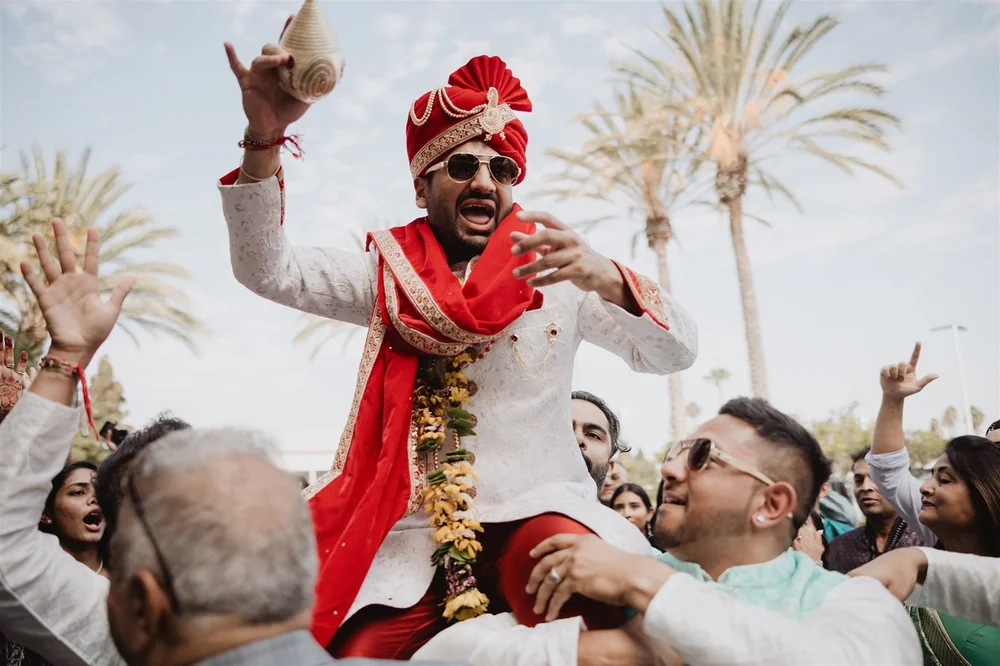
- Jaimala. The garland exchange is fast and often playful, with the couple lifted by cousins. Two shooters, wide and tight.
- Kanyadaan and the knot. Parents’ faces matter more than the couple’s here. We shoot toward the families.
- The mandap empty. Photographed before guests arrive, while the florals and symmetry are untouched.
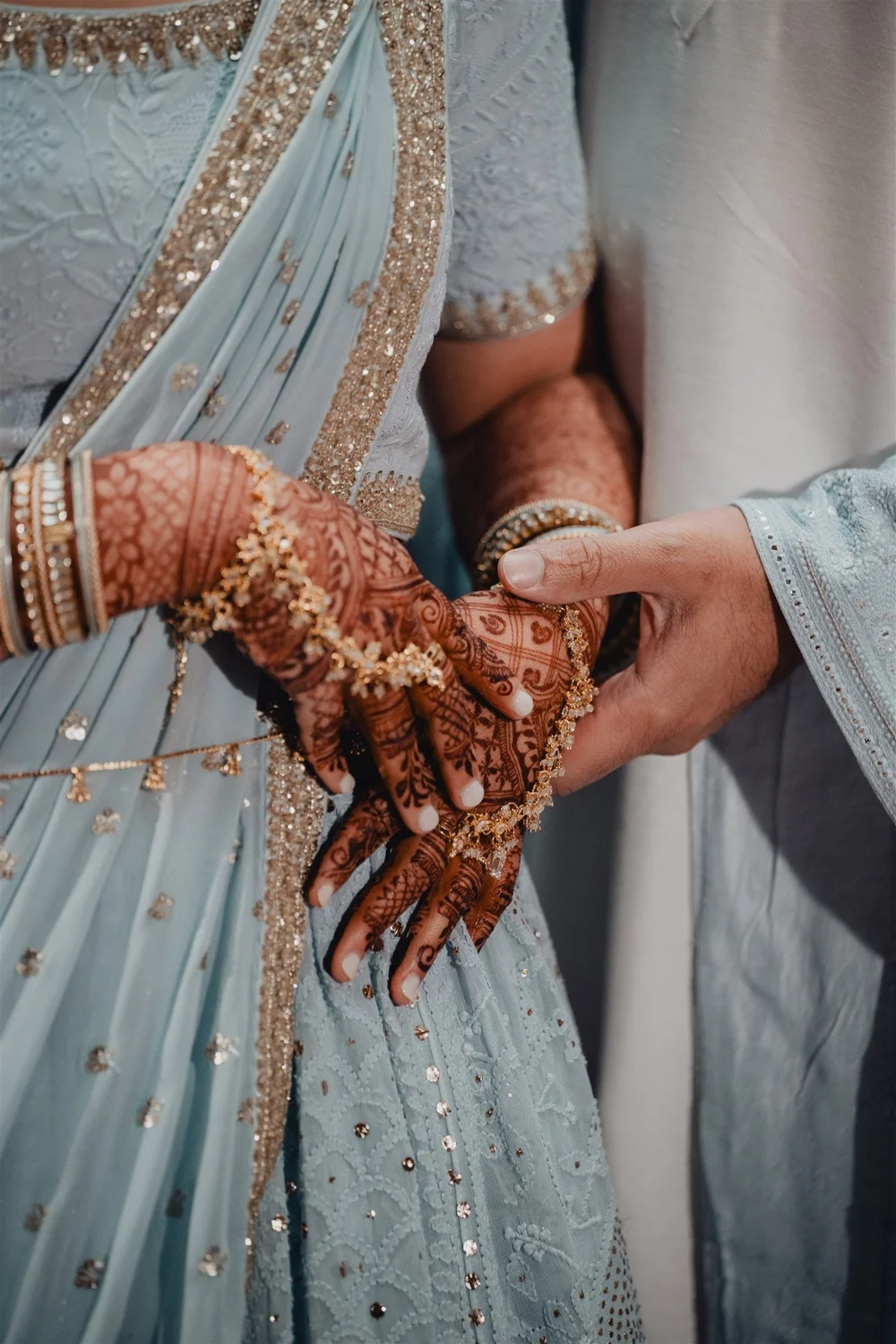
Many couples pair mandap coverage with haldi and mehndi photography across a full wedding weekend.
Decor, Symmetry and Light
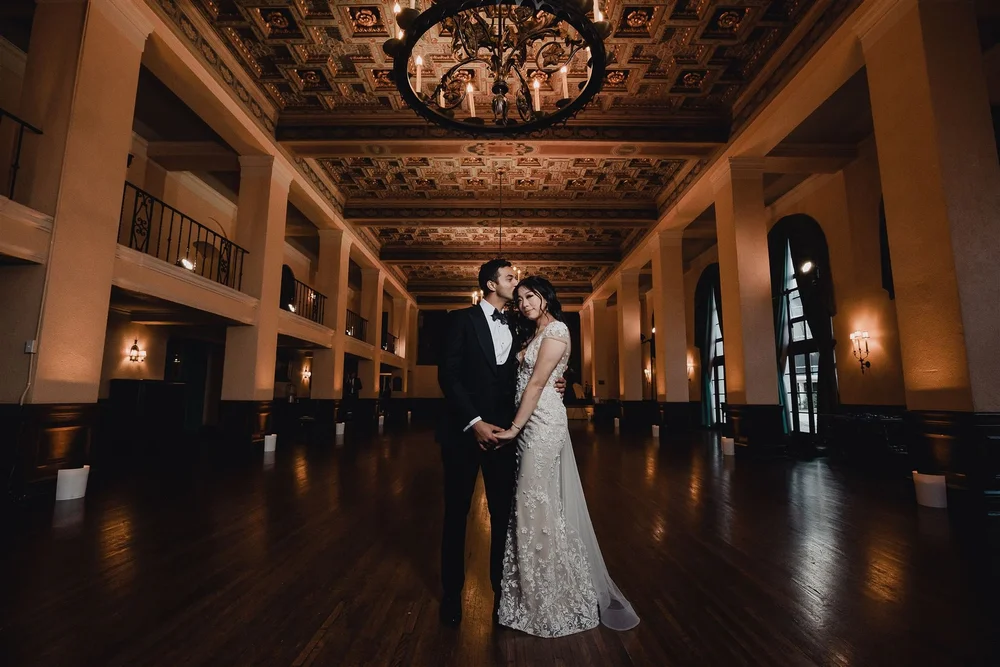
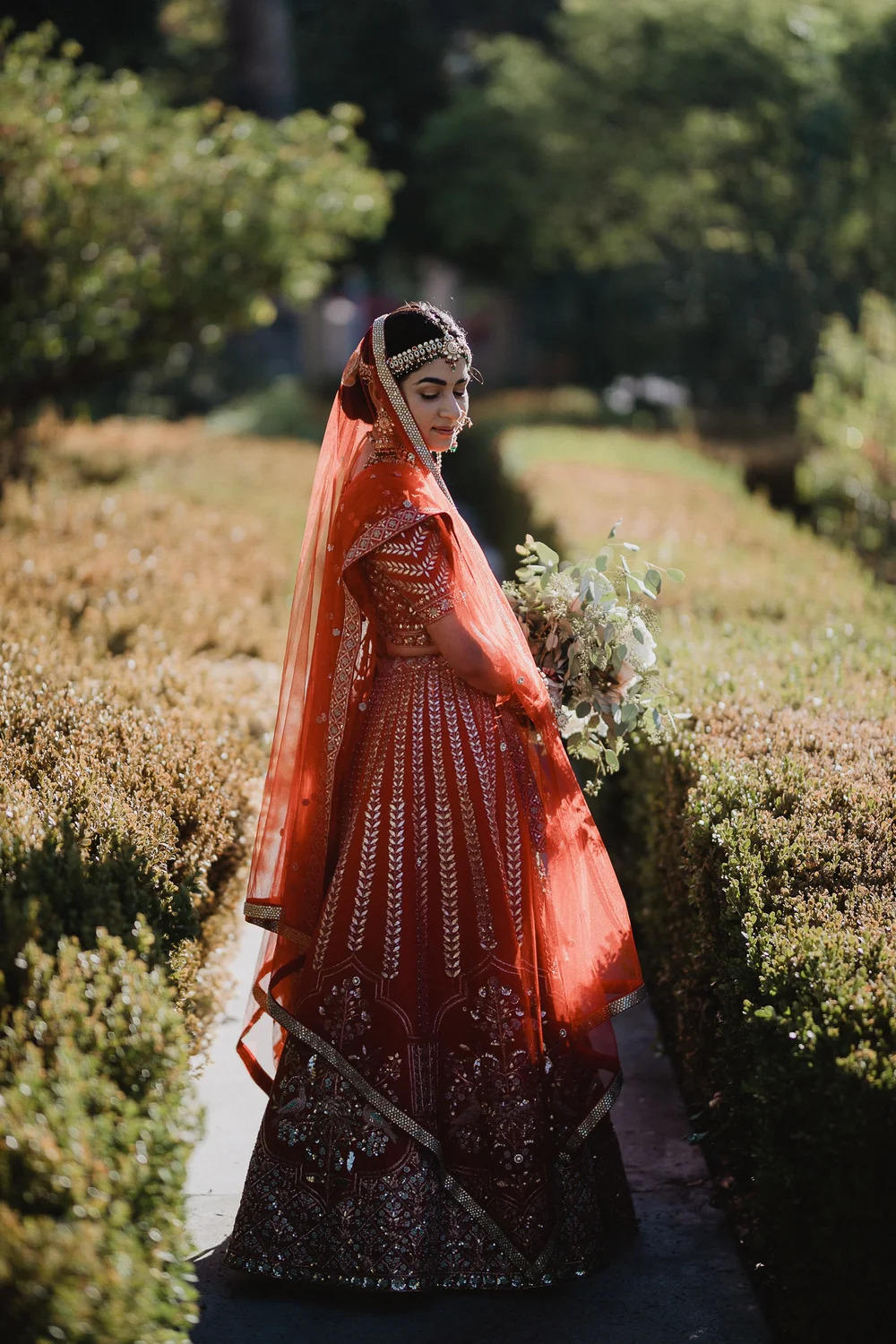
Floral garlands, draped fabric and the four pillars are usually designed with careful symmetry, and that symmetry is the photograph — shot off-center it simply looks like a crowded tent. We frame the mandap square on for the establishing images and work at an angle for the ritual coverage.
Light is the other constraint. An outdoor mandap at midday throws hard shadows across the couple’s faces at exactly the wrong moment; an indoor one is often lit warm and low. We bring our own light for the ceremony where the venue and priest permit it, and we expose for skin tones rather than for the fire.
Where the mandap ceremony sits in the day
The mandap ceremony is the center of the wedding day, and everything else is planned around its start time. It can be a morning temple ceremony, an afternoon ceremony after the baraat, or the first of two ceremonies in one day.
A morning temple ceremony
- 8:00 AMCoverage begins. The mandap photographed empty, with the garlands, kalash and fire setup.
- 8:30 AMThe groom arrives with family. Welcome rituals, or a short baraat.
- 9:00 AMCeremony begins with the Ganesh puja and the garland exchange.
- 9:45 AMKanyadaan, the rituals at the sacred fire, the pheras and the seven steps.
- 11:00 AMCeremony concludes. Blessings from the elders at the mandap.
- 11:15 AMFamily formals at the mandap, immediate family first.
- 11:45 AMCouple portraits around the temple grounds.
- 12:15 PMLunch and guest candids, then coverage wraps.
An afternoon ceremony after the baraat
- 1:00 PMGetting ready, attire and jewelry. Mandap details before guests are seated.
- 2:45 PMBaraat. The groom's procession with music and dancing.
- 3:30 PMWelcome at the entrance, then the couple takes their places under the mandap.
- 3:45 PMCeremony begins. Commonly one and a half to two and a half hours.
- 5:30 PMCeremony concludes. Stage photographs and family groups at the mandap.
- 6:00 PMCouple portraits, often in the golden hour light.
- 6:30 PMOutfit change for the couple, cocktail hour for guests.
- 7:30 PMReception. Grand entrance, dinner, speeches.
A mandap ceremony and a Western ceremony
- 8:00 AMCoverage begins. Getting ready in traditional attire.
- 9:45 AMA baraat, sometimes a short symbolic one of a few minutes.
- 10:15 AMHindu ceremony at the mandap.
- 12:15 PMCeremony concludes. Family photos while guests have lunch.
- 12:30 PMThe mandap is cleared and the site reset. The couple changes outfits.
- 3:00 PMWestern ceremony.
- 3:30 PMFamily photos and cocktail hour.
- 6:00 PMReception. Grand entrance, dinner, dancing.
What shapes the time around the mandap
The practical points that decide how long the ceremony block runs, drawn from the mandap ceremonies we photograph.
Where these ceremonies happen
Temples, hotels and estates where the mandap ceremonies we photograph take place.
- Malibu Hindu Temple, Calabasas
- BAPS Shri Swaminarayan Mandir, Chino Hills
- Hotel Maya, Long Beach
- Hyatt Regency Huntington Beach
- Newport Beach Marriott Bayview
- JW Marriott Desert Springs
- Calamigos Ranch, Malibu
- Temecula wine country estates
- Family backyards
Mandap photography — questions we are asked
Will you be inside the mandap during the ceremony?
Only where the priest permits it, and never in a way that puts us between the families and the fire. We agree positions in advance — usually two fixed angles plus one roaming — so nothing is negotiated mid-ritual.
Can you photograph a temple ceremony?
Yes. We regularly photograph at the Malibu Hindu Temple and the BAPS mandir in Chino Hills, both of which have their own rules about where photographers may stand and whether flash is allowed. We confirm with the temple rather than assuming.
How many photographers does a Hindu ceremony need?
At least two. The mandap has four sides, both families seated around it, and rituals where the meaningful reaction is behind the camera’s back if there is only one shooter.
Do you cover the full wedding weekend?
Yes — see haldi, mehndi, kanyadaan and multi-day wedding coverage, and choosing an auspicious date.
Next step
Tell us about your ceremony
Send us the date, the venue or temple, and your priest’s requirements — we will plan positions around them.