
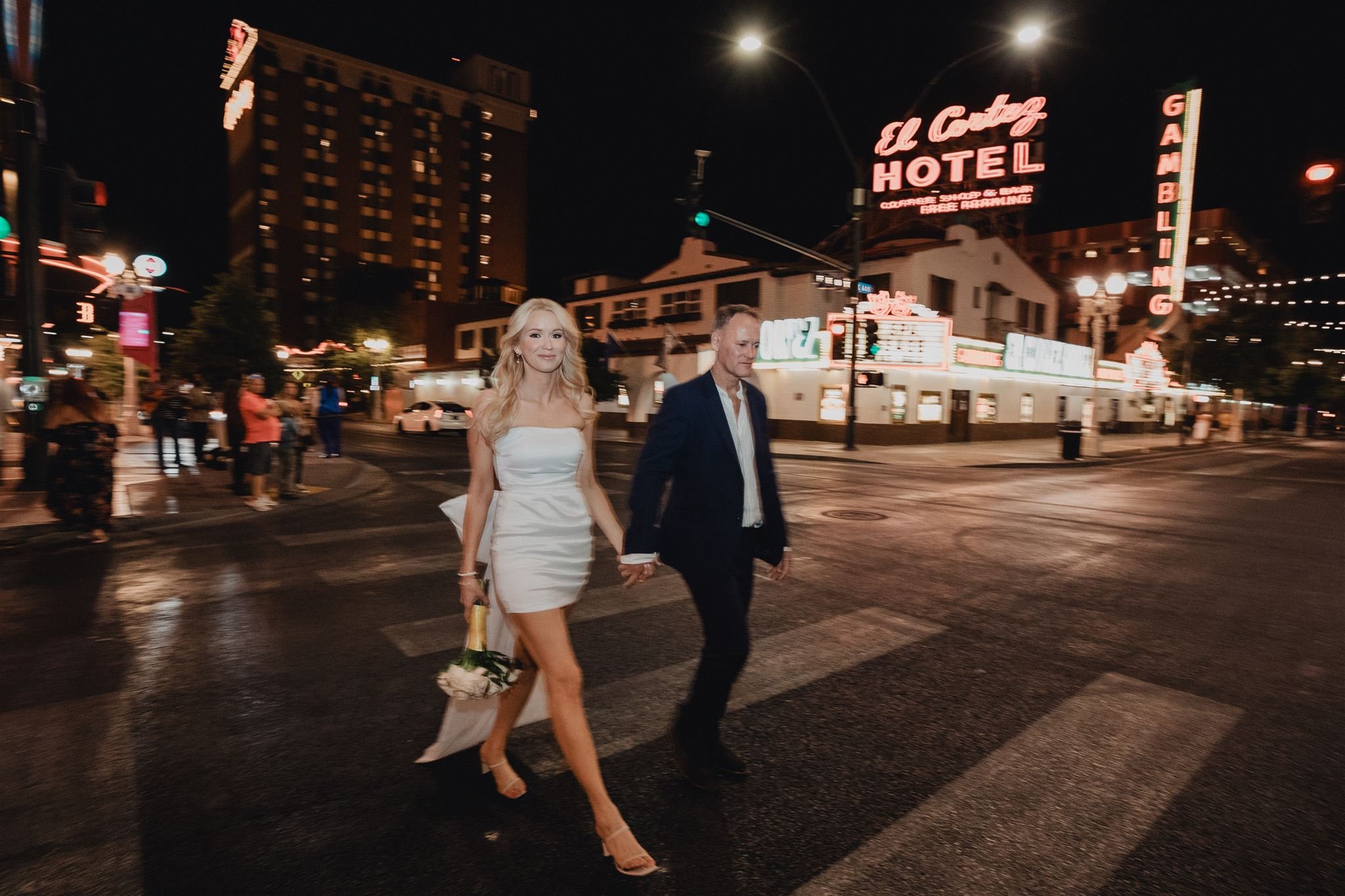
How to Become a Wedding Photographer
2,300+ weddings photographed · 35+ national awards · founded 2016 — a studio’s perspective for photographers building their own path
Wedding photography can look like one of the more approachable ways into professional photography — no studio lease, no inventory, just a camera and a Saturday. In practice, it is one of the least forgiving. There is no reshoot for a first kiss or a father-daughter dance, which is why most photographers who build a full-time living at it spend real time on skill, workflow, and business fundamentals before they ever hand a couple a signed contract. What follows is general guidance drawn from what tends to work — written for photographers exploring the path, not for couples hiring one.
Build Your Technical Foundation First
Before working real weddings, many photographers spend months, sometimes longer, becoming fluent with their camera in manual mode — reading light instead of relying on auto settings, understanding how a lens performs wide open in a dim reception hall, and learning to bring or bounce flash convincingly once the sun goes down mid-reception. Posing and directing people is its own skill, separate from operating the camera: weddings move fast, and photographers are often gently directing large groups, such as family formals and wedding parties, while staying unobtrusive enough to catch unposed moments too. Many photographers build this foundation through styled shoots, friends’ and family members’ events, or paid portrait work — settings where a technical misstep does not cost someone their only wedding photos.
Second-Shoot Before You Lead
One of the most commonly recommended ways to learn the actual workflow of a wedding — not just the photography, but the choreography of the day — is second-shooting for an established photographer. A second shooter typically covers a different angle or location, such as getting-ready shots while the lead is elsewhere, or candid guest reactions during the ceremony, and gets to observe, firsthand, how an experienced photographer manages a timeline, works with planners and other vendors, handles low light at a reception, and adapts when something goes off-schedule, which happens on some level during most weddings. Many photographers second-shoot for a year or more, across a range of venues and styles, before leading their own weddings.
Build a Portfolio and a Consistent Editing Style
A portfolio built from second-shooting, styled shoots, and any real weddings a photographer is authorized to share tends to matter more early on than any single credential. Because a portfolio is often a couple’s first impression of a photographer’s work, many photographers spend as much time developing a consistent editing style — color, tone, contrast — as they do shooting. A recognizable style, applied consistently across a gallery, tends to read as more professional than a technically sharp but visually inconsistent one, and it’s often what makes a photographer’s work recognizable at a glance in a crowded market.
Learn the Business Side
Wedding photography is a small business, and the business side is frequently underestimated early in a photographer’s career. A signed contract that spells out deliverables, timelines, cancellation and rescheduling terms, and copyright and usage rights protects both the photographer and the couple. Many venues also require proof of liability insurance before a photographer is allowed on-site, and depending on where a photographer operates, a business license may be required as well. Pricing is its own challenge: many new photographers underprice their work to book their first clients, without fully accounting for the cost of doing business — gear, software, insurance, editing time, and the often significant hours spent on a wedding beyond the day itself. Pricing sustainably from the start, even if it means booking fewer weddings early on, tends to serve photographers better over the long term than competing purely on being the cheapest option. Building a client base, meanwhile, is mostly a compounding process: referrals from past couples, relationships with planners and venues, and a consistent online presence tend to matter more over time than any single marketing tactic.
How to Become a Wedding Photographer FAQ
How long does it take to become a full-time wedding photographer? It varies significantly. Many photographers spend one to several years second-shooting and building a portfolio before booking their own weddings regularly, and longer still before it becomes a full-time income. Photographers with a strong technical background or an existing network sometimes move faster; others build more gradually alongside other work.
Do you need formal training or a photography degree? Not necessarily. Many working wedding photographers are self-taught or learned through a mix of practice, workshops, online resources, and second-shooting rather than a formal degree program. Technical skill and business judgment tend to matter more to couples, and to a photographer’s success, than any specific credential.
How much can you earn as a wedding photographer? Earnings vary widely and depend on market, experience, business volume, and how a photographer prices their services. Some photographers shoot weddings as a part-time or seasonal business, while others build it into a full-time studio; general income figures found online are rarely a reliable predictor for any one photographer’s situation.
What equipment do you need to get started? Most photographers start with a capable camera body, a couple of versatile lenses, and off-camera flash for low-light receptions. Because a wedding cannot be reshot, many photographers also prioritize backup equipment and a reliable system for backing up images above almost everything else.
Keep Exploring
Explore more: Wedding photography pricing guide
Planning Your Own Wedding Instead?
If you’re planning your own wedding instead, we’d love to hear from you — you’re also welcome to view our collections.
More from Lulan Studio: Los Angeles wedding photography · For photographers: our mentorship program