
Leica wedding photography · Rangefinder & Monochrom
Leica weddings, in black, white and light.
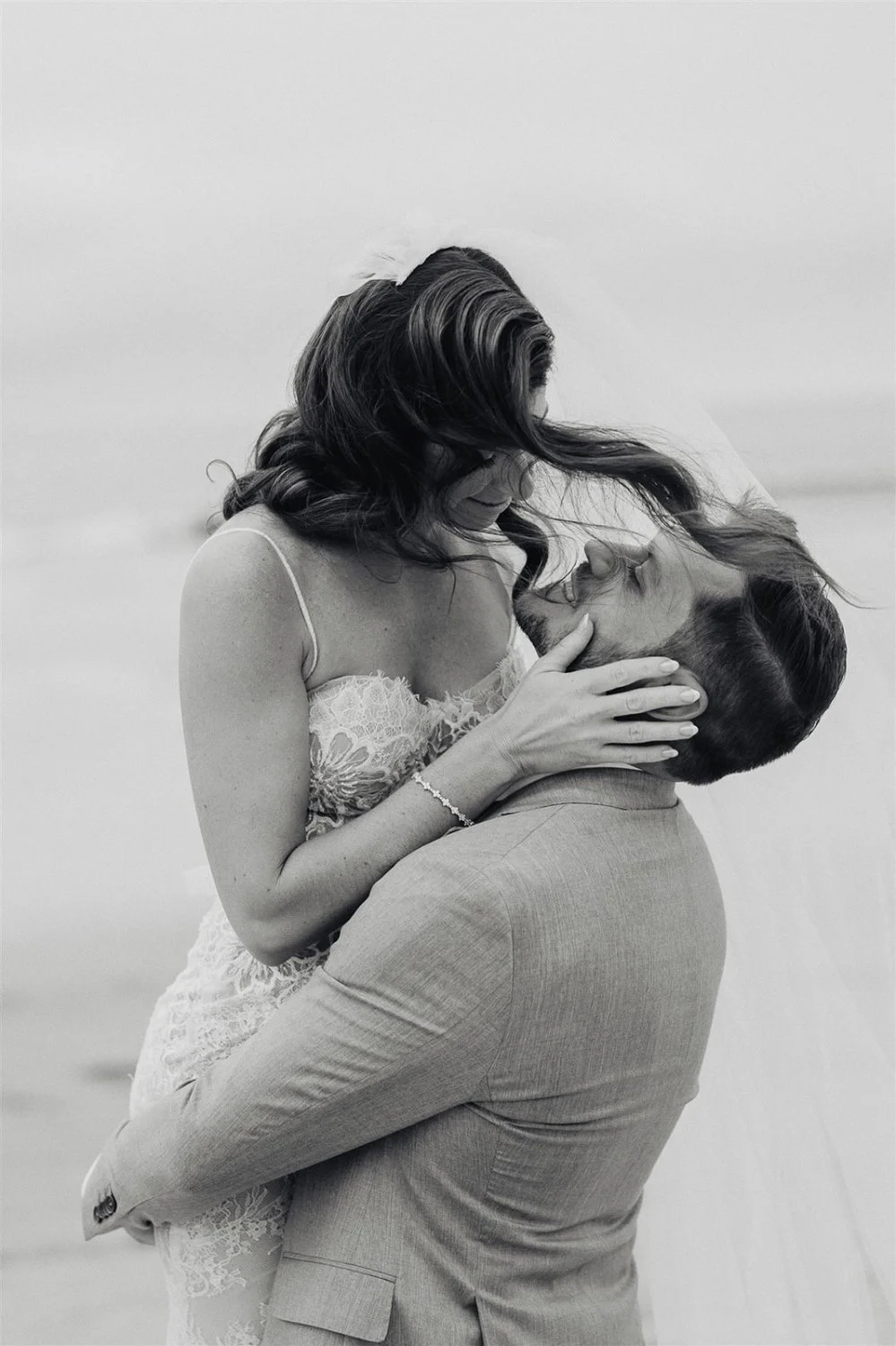
A small camera with no zoom and almost no sound. We bring Leica rangefinders to weddings for the moments a bigger camera would interrupt — and for the light that only shows up after everyone stops posing.
A rangefinder doesn’t zoom and doesn’t hurry. So we move closer, and we wait.
You look past the picture through a Leica, not into it — the frame floats as a thin line of light, and you can see who is about to walk in. That changes how a photographer moves through a room. It is the reason these frames feel close without anyone being asked to perform.
Chapter one · Quiet
The shutter nobody hears.
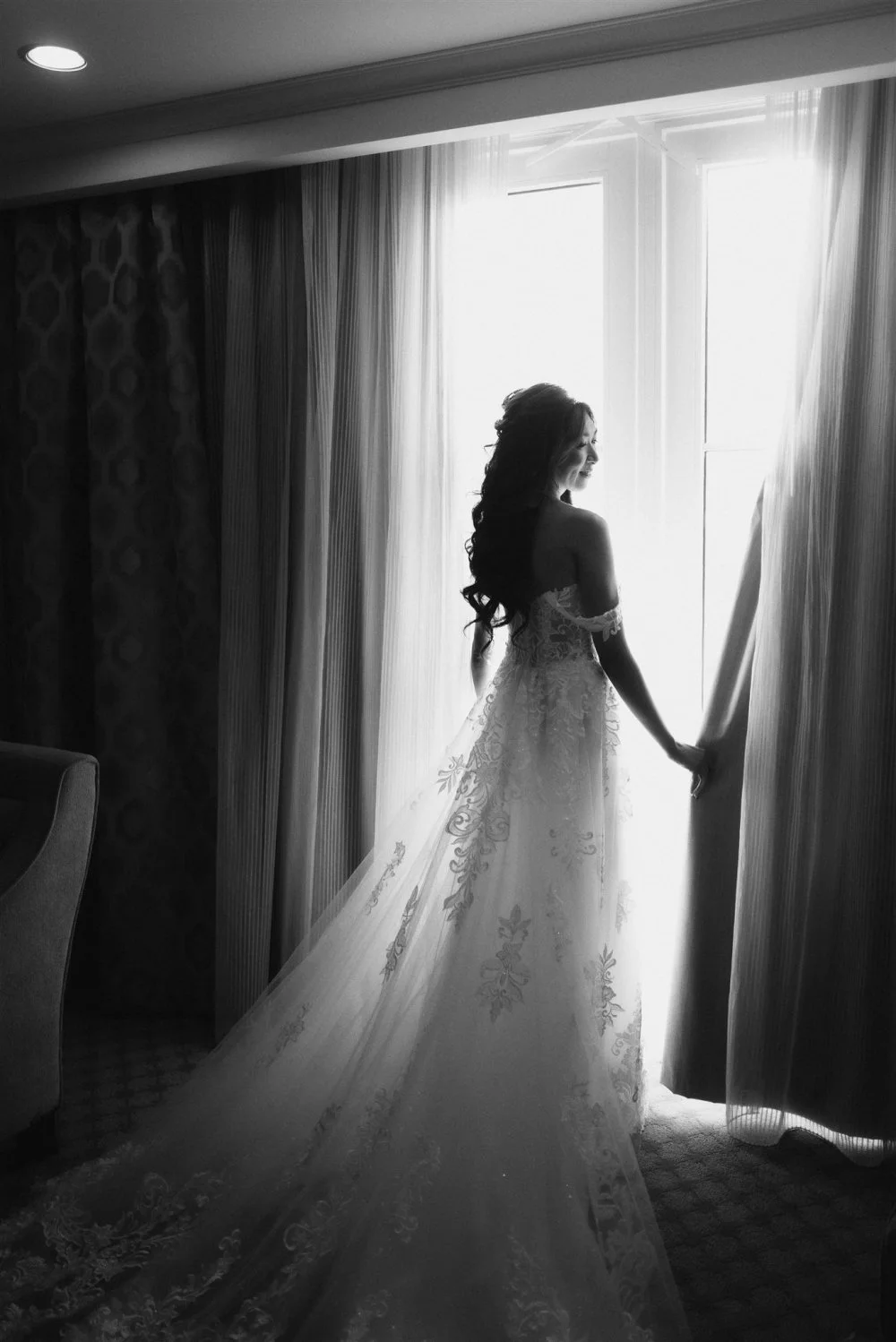
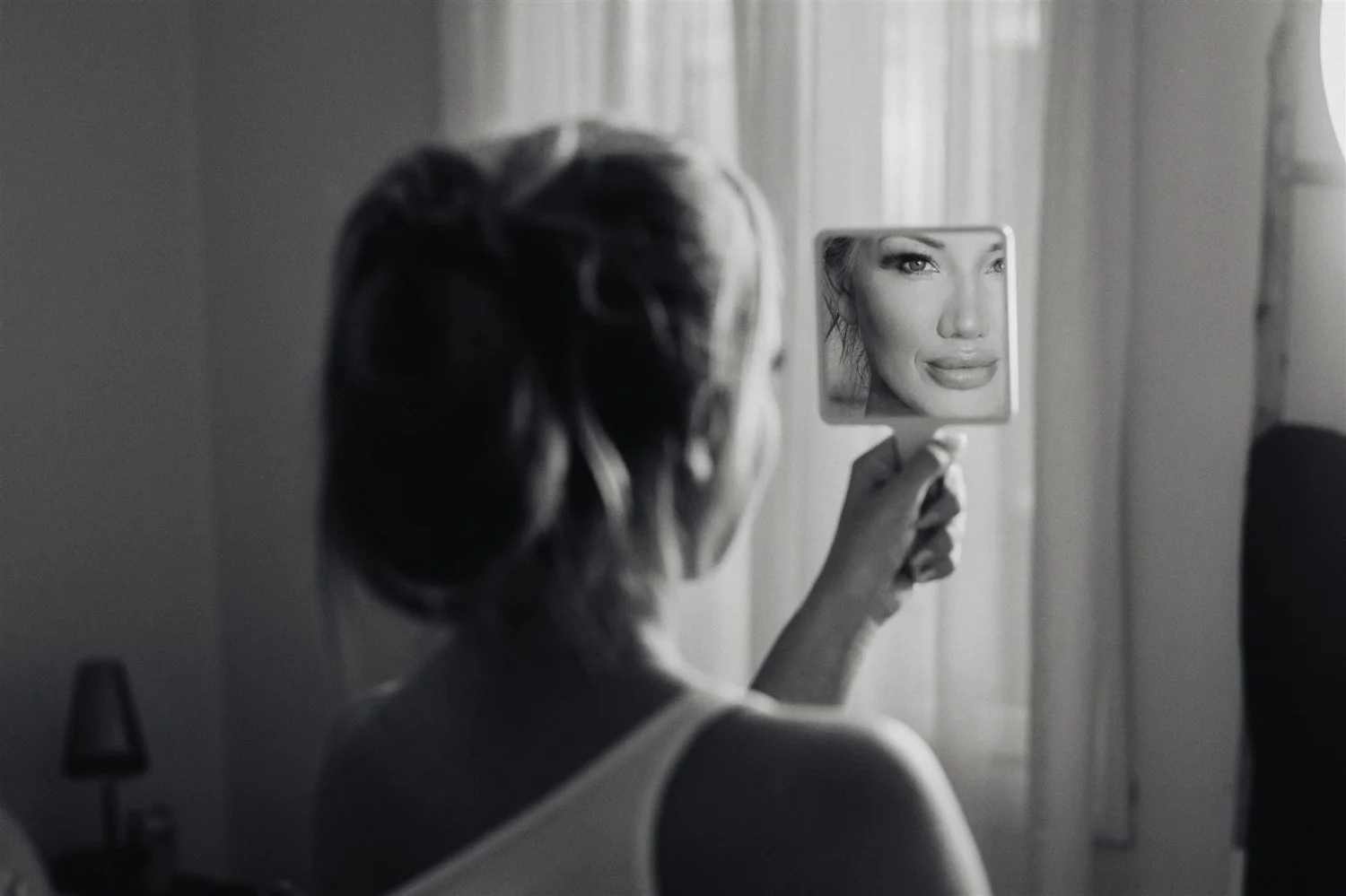
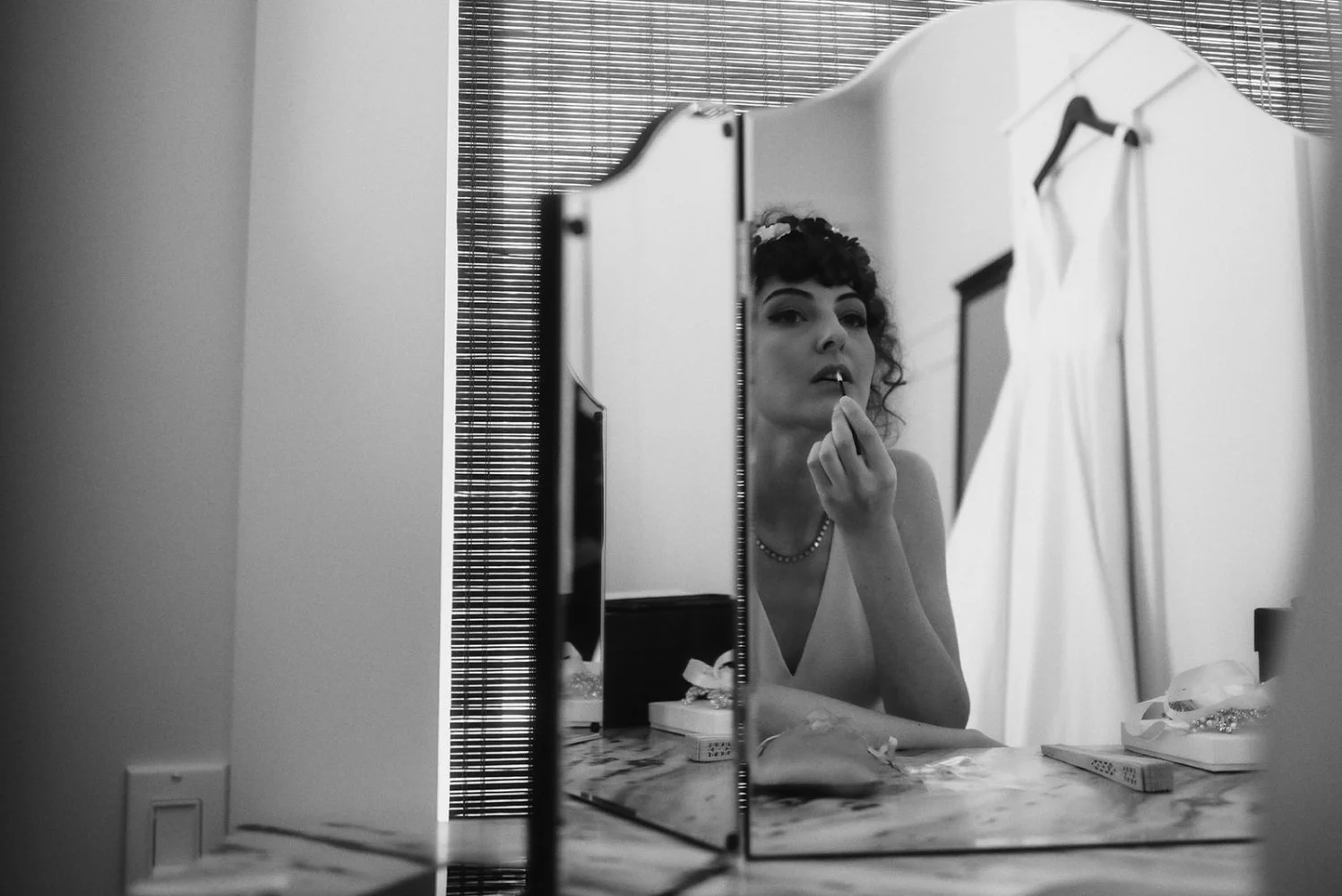
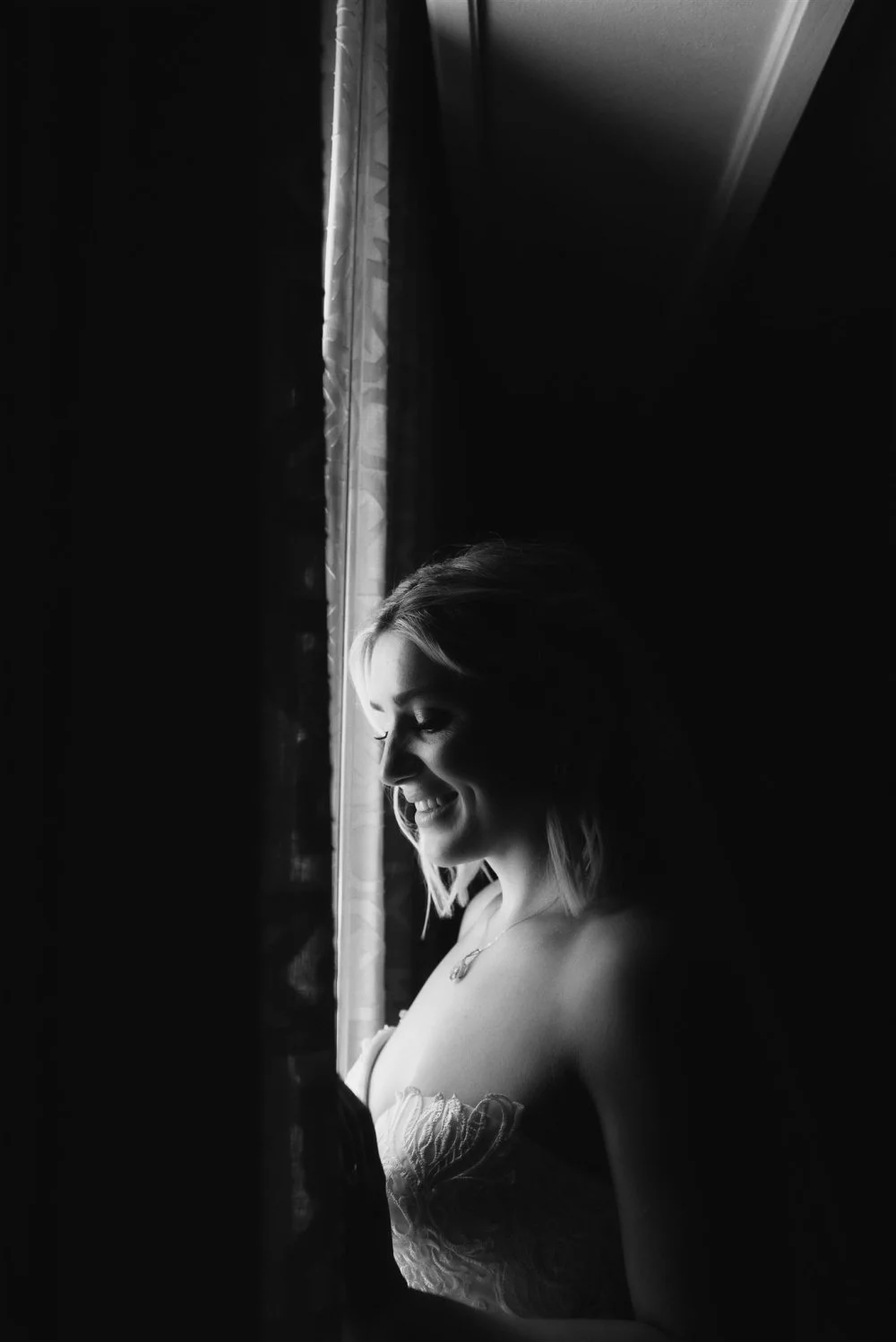
Mirrors, windows, the last minute alone. The rooms where a loud camera changes the moment.
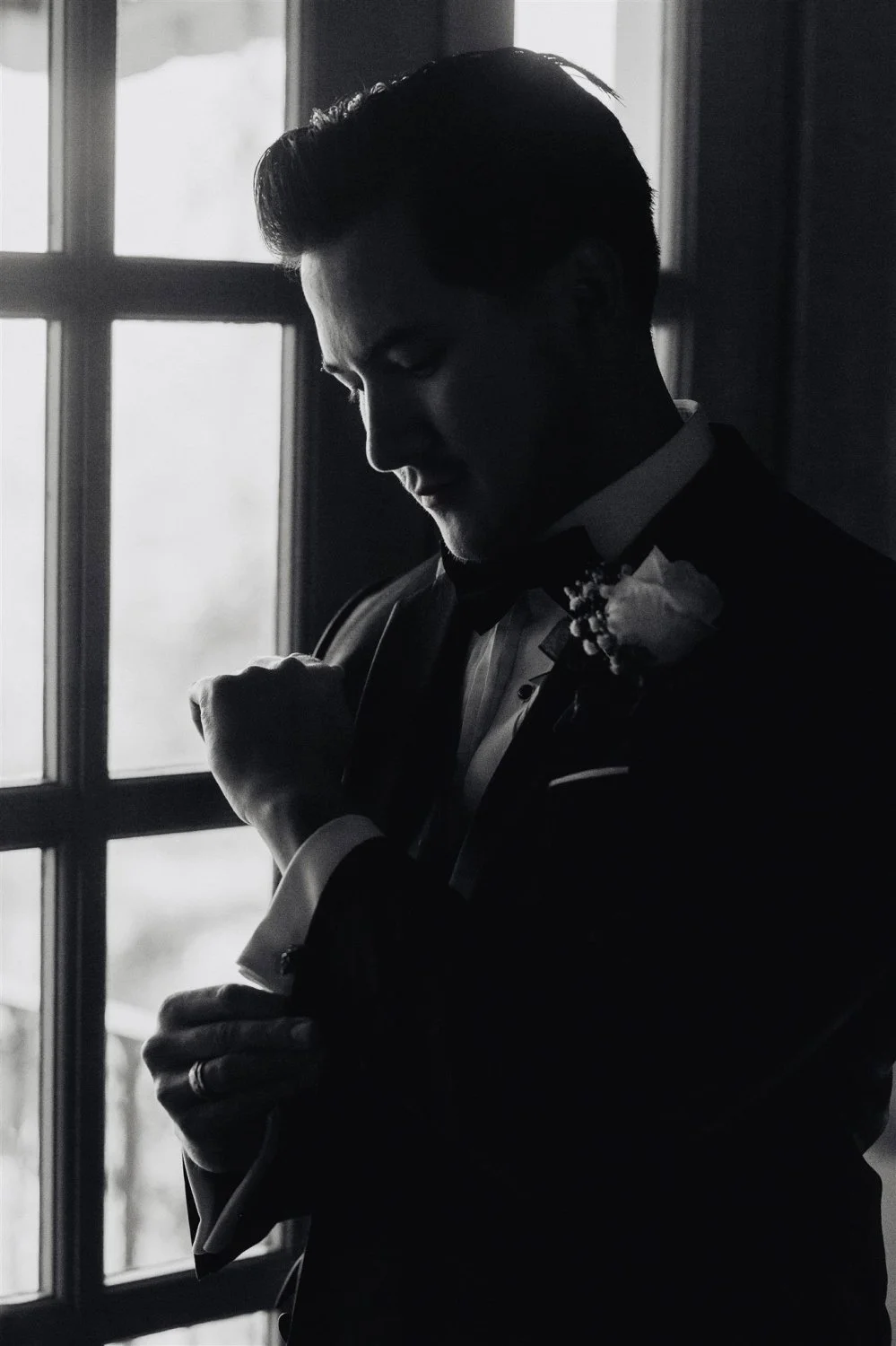
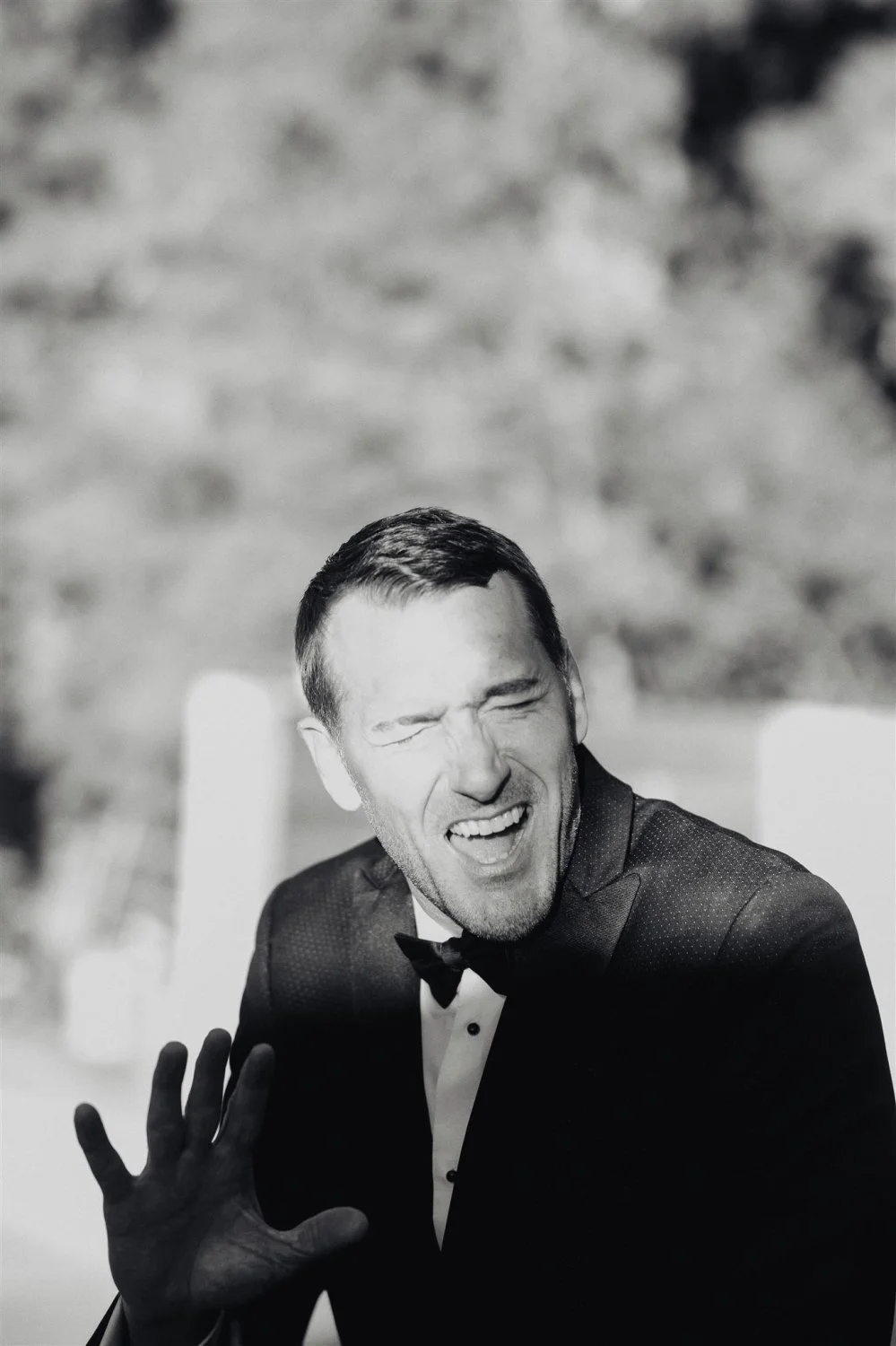
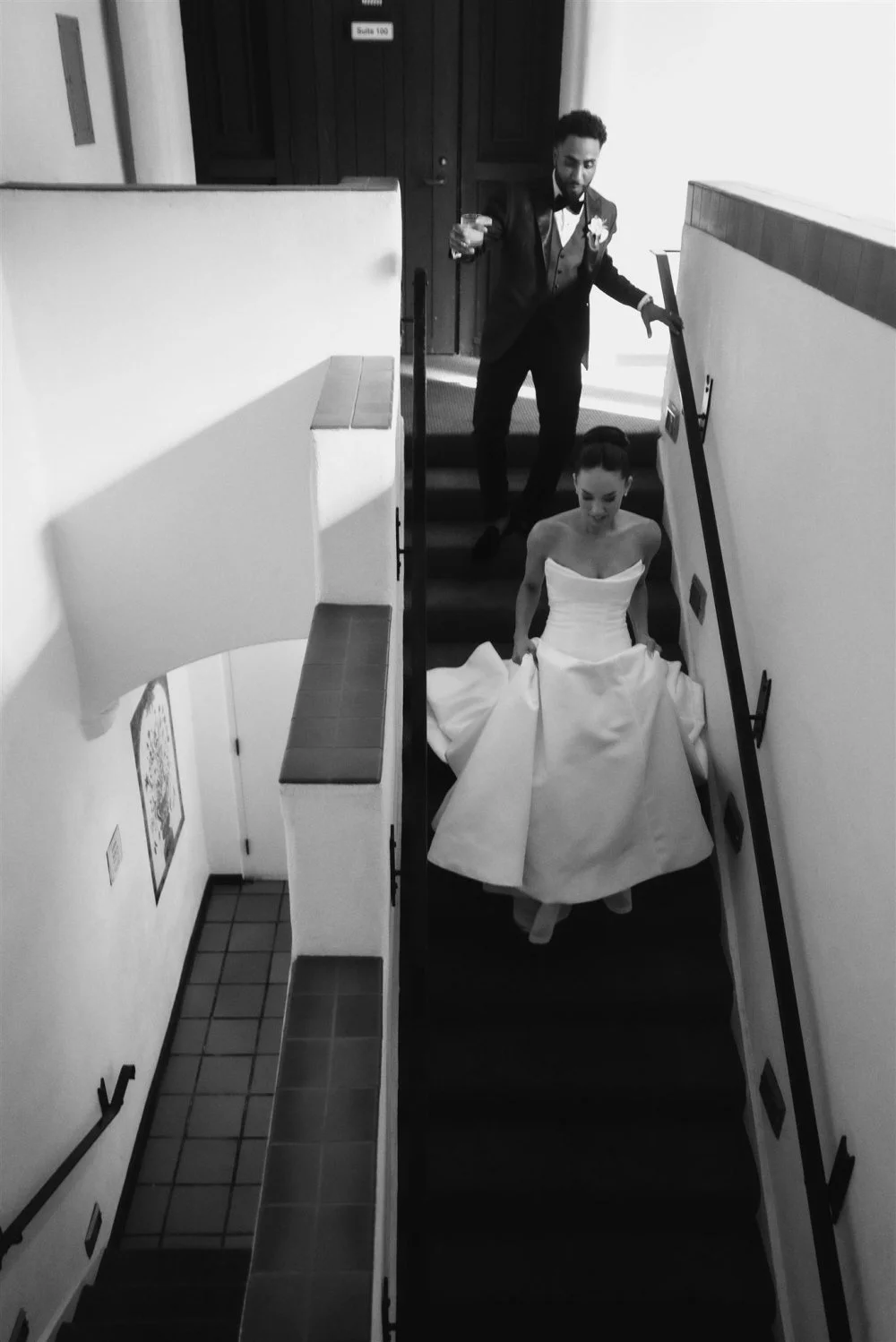
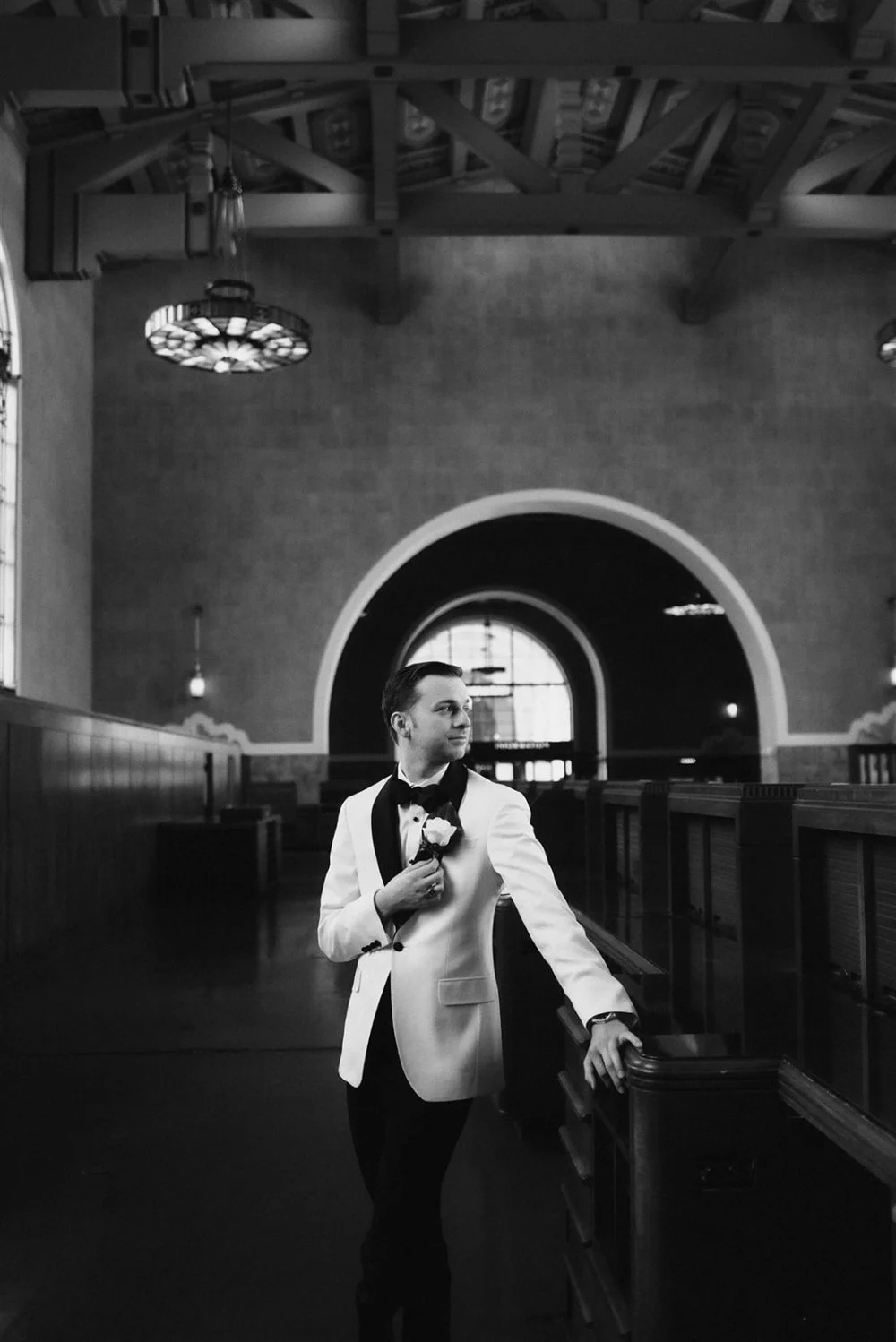
A Leica M is small enough to hold at chest height and quiet enough to use during a vow. People forget it is there within minutes — which is the only way to photograph a groom fastening his cuffs without him standing up straighter.
Chapter two · Black & white
A camera that only sees light.
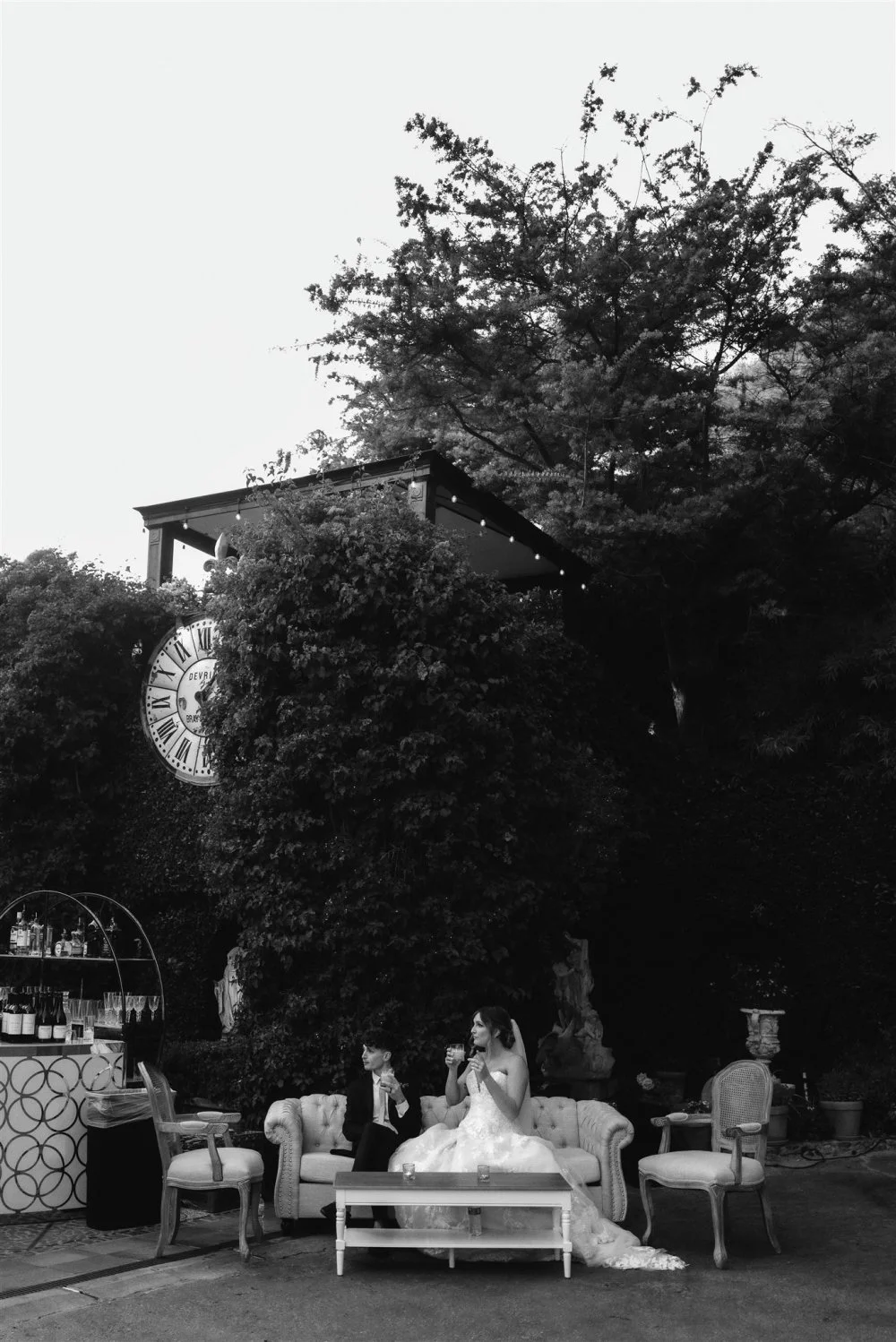
The Leica M Monochrom has no color in it at all. It records light, and nothing else.
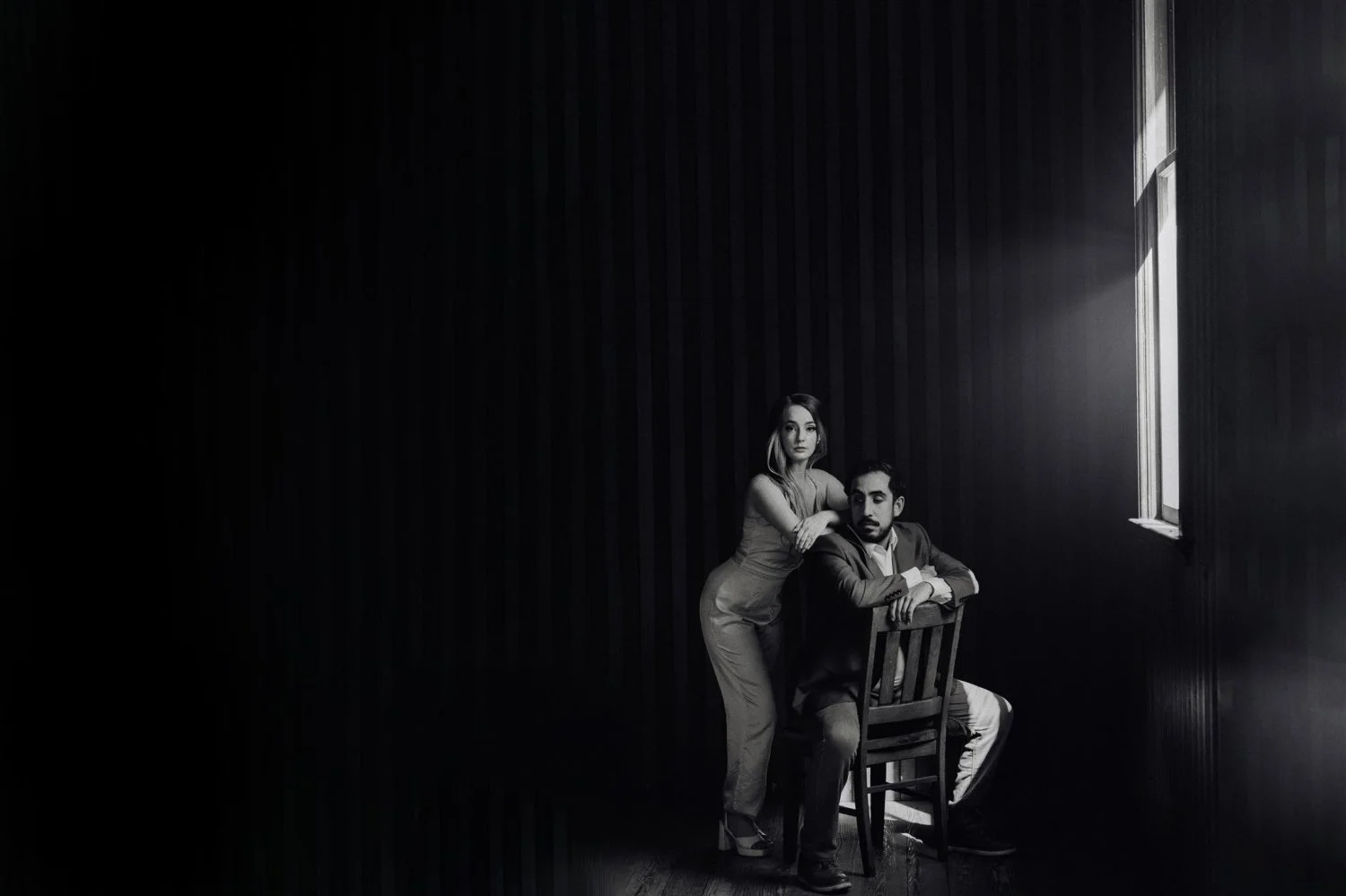
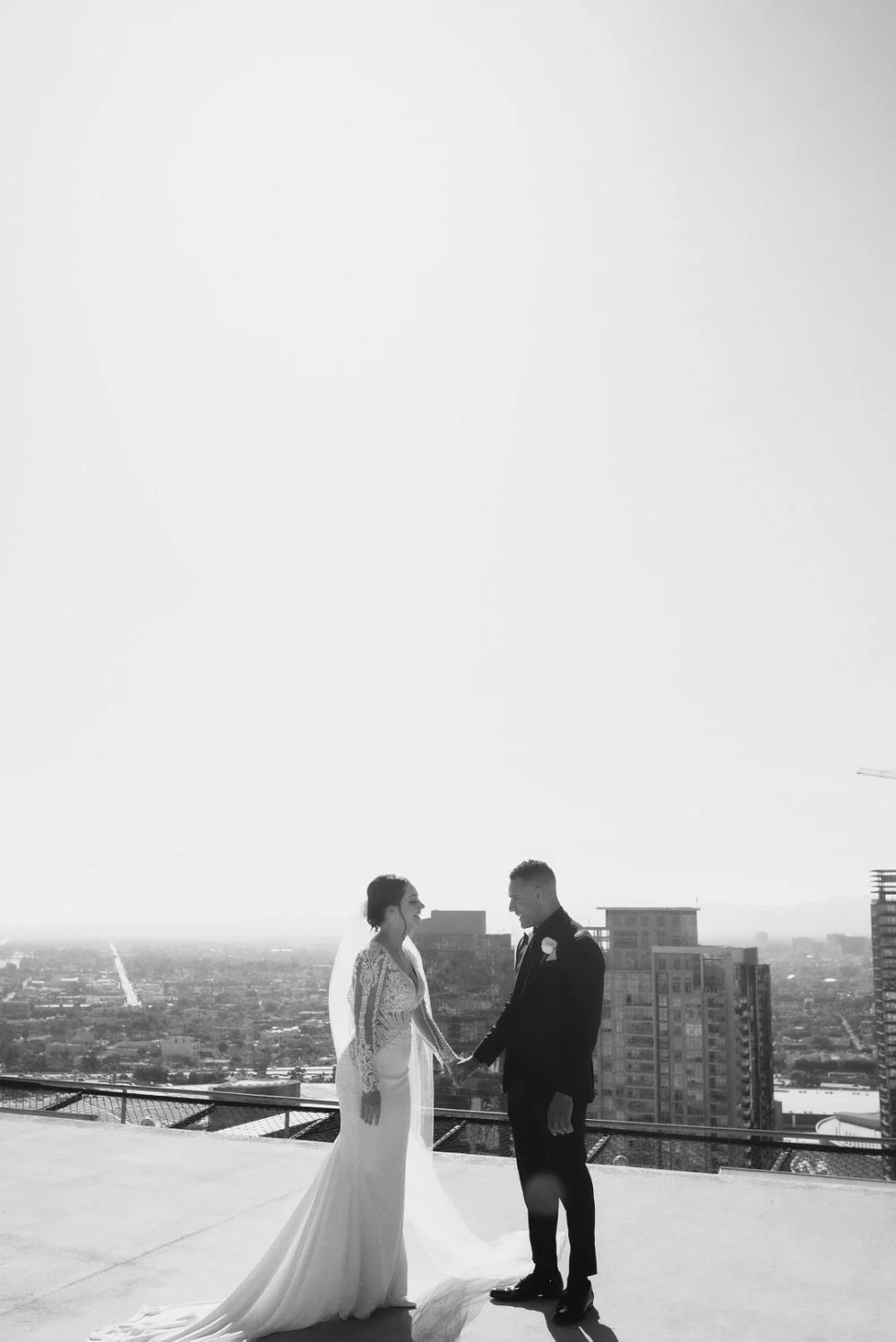
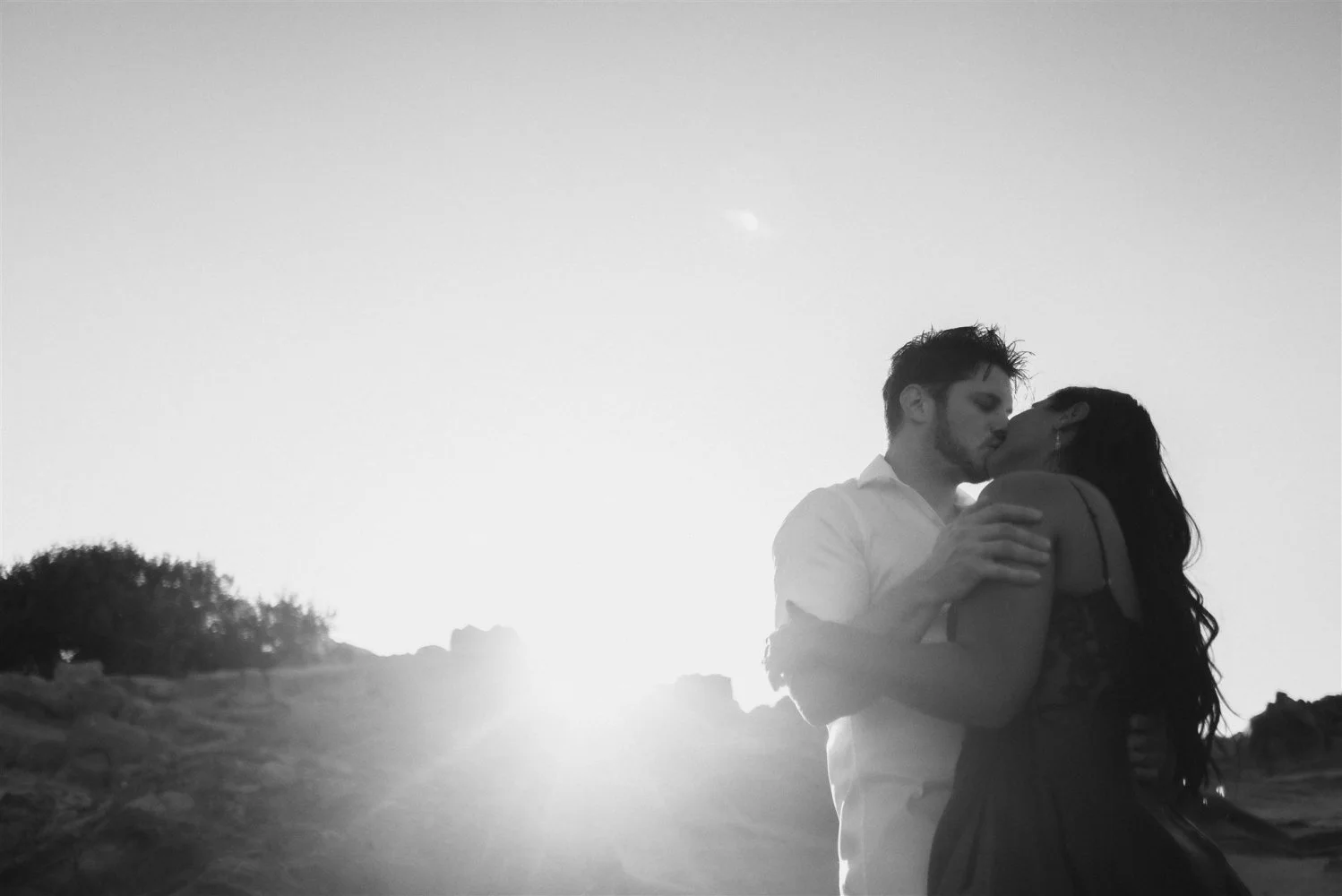
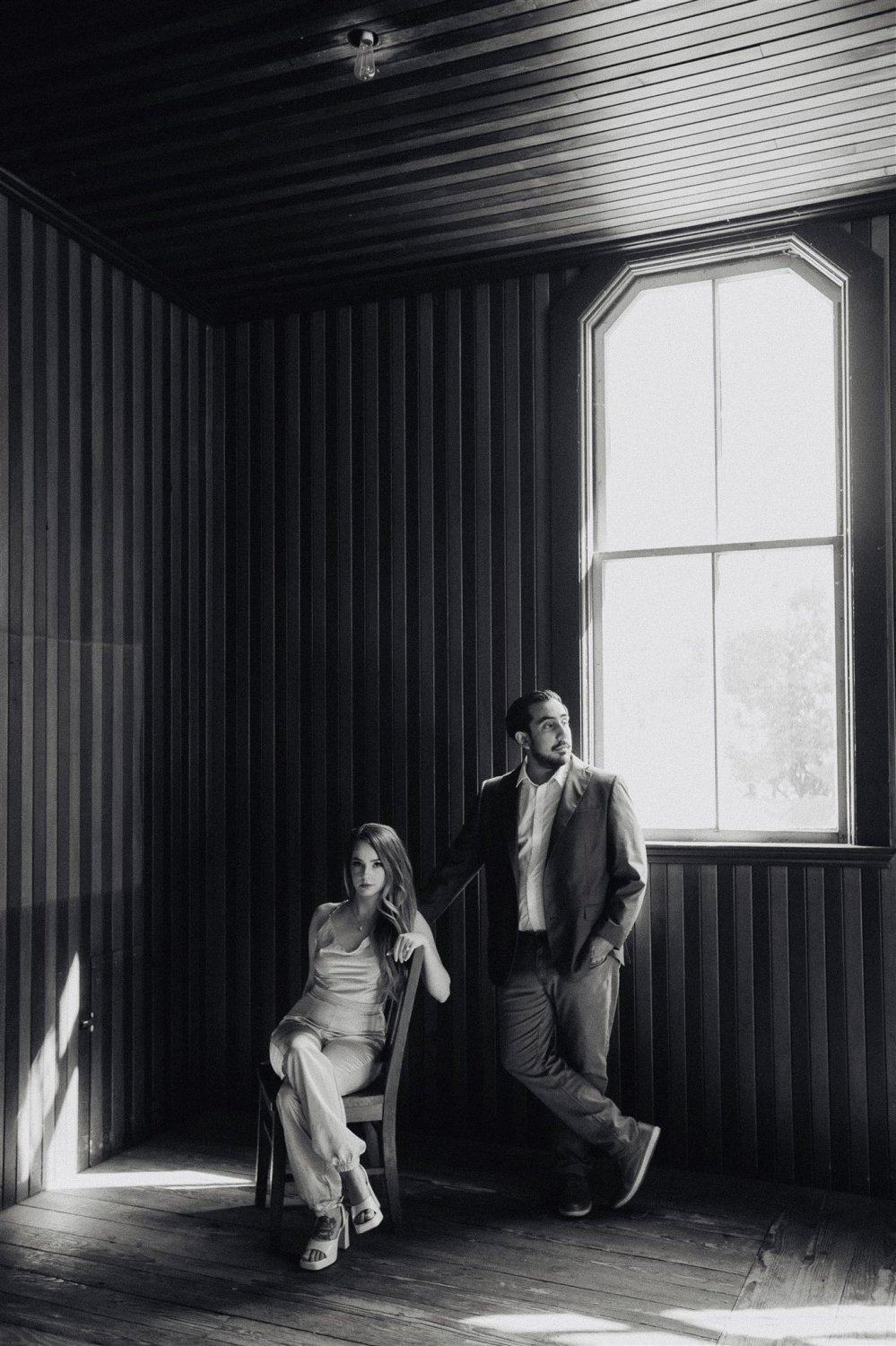
Most digital cameras see the world through a grid of red, green and blue filters, then reassemble it. The Monochrom’s sensor has no color filter, so every pixel records pure luminance — deeper blacks, finer grain, skin that stays soft at night. It is why so many frames on this page are black and white, and why they look nothing like a filter applied afterward.
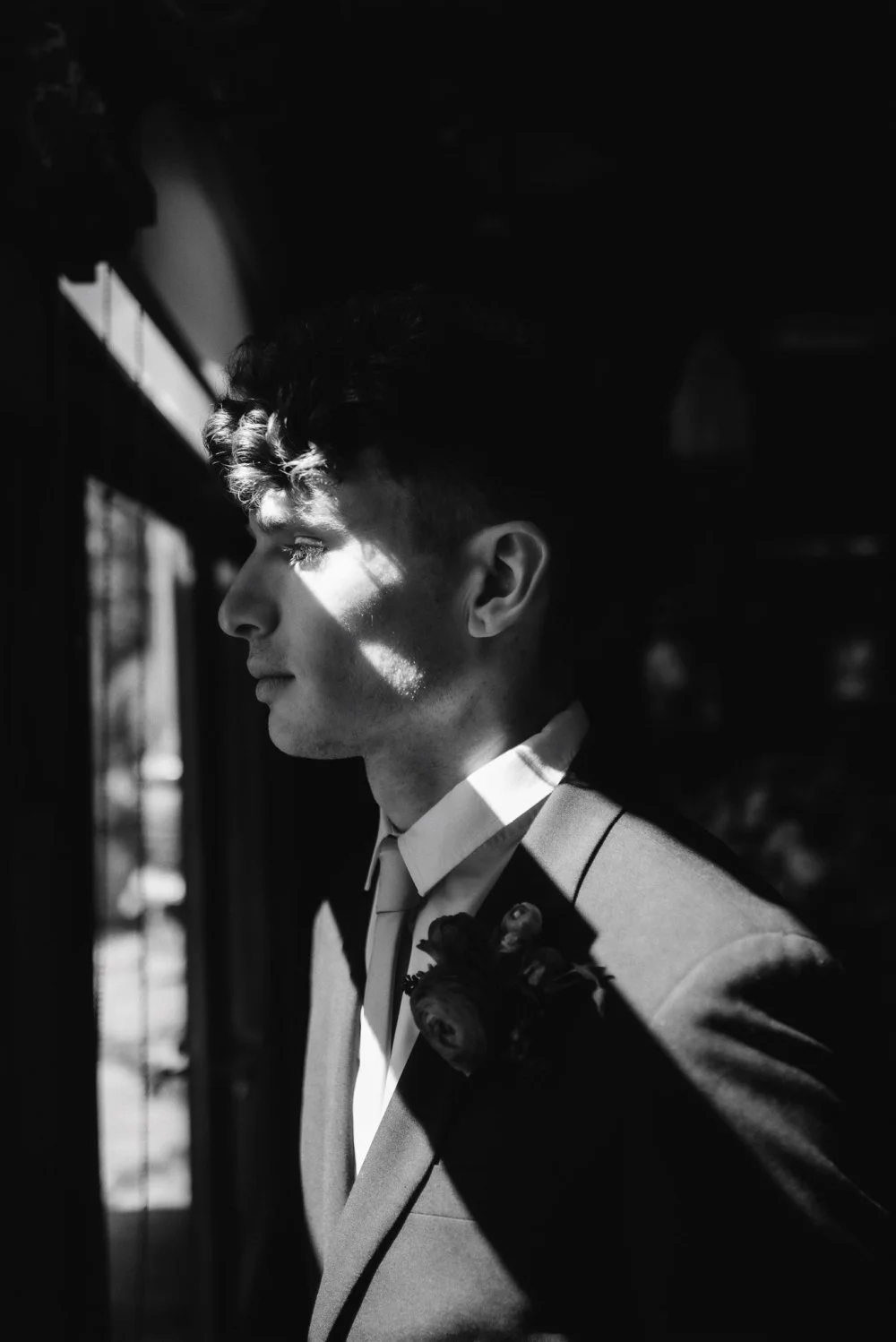
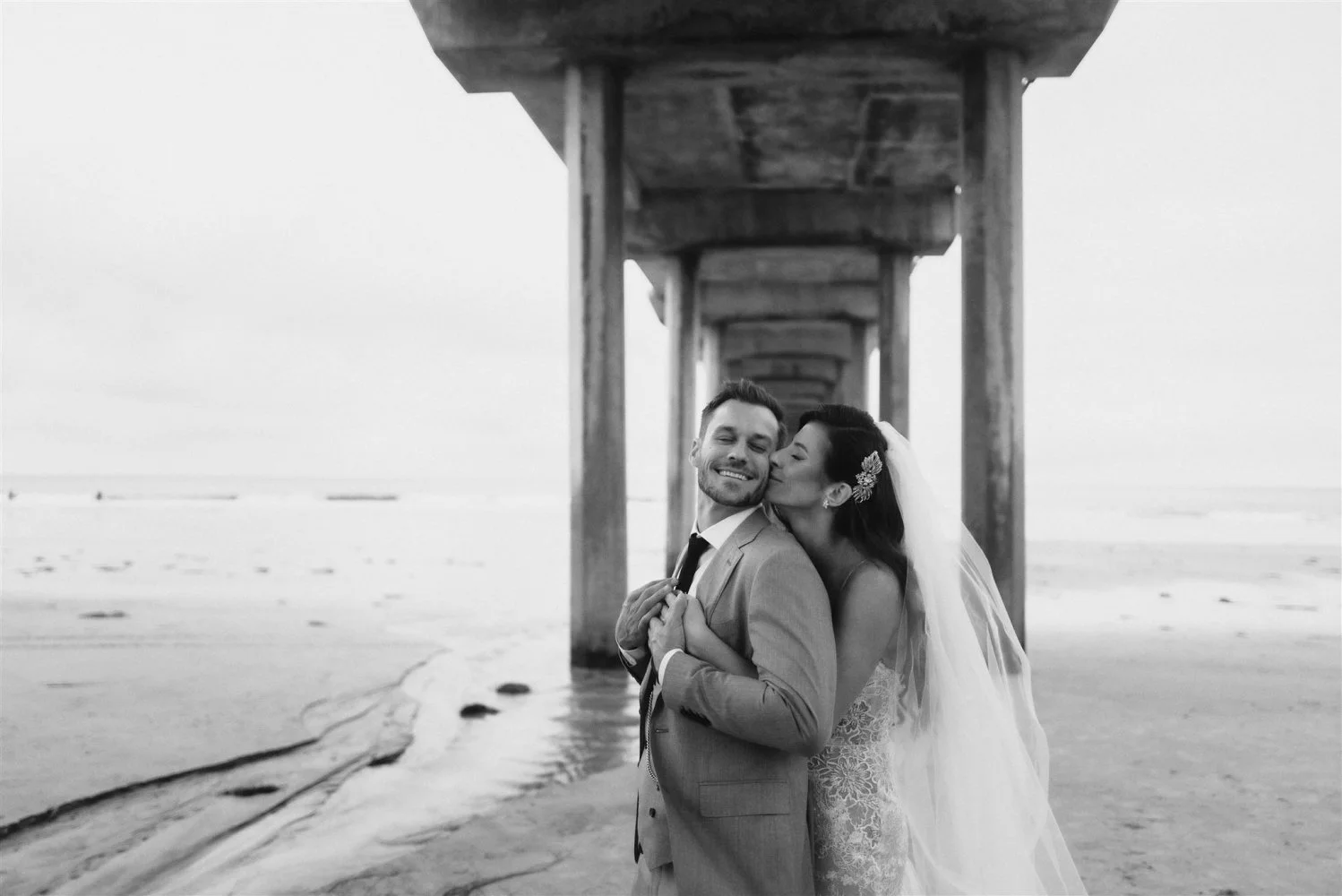
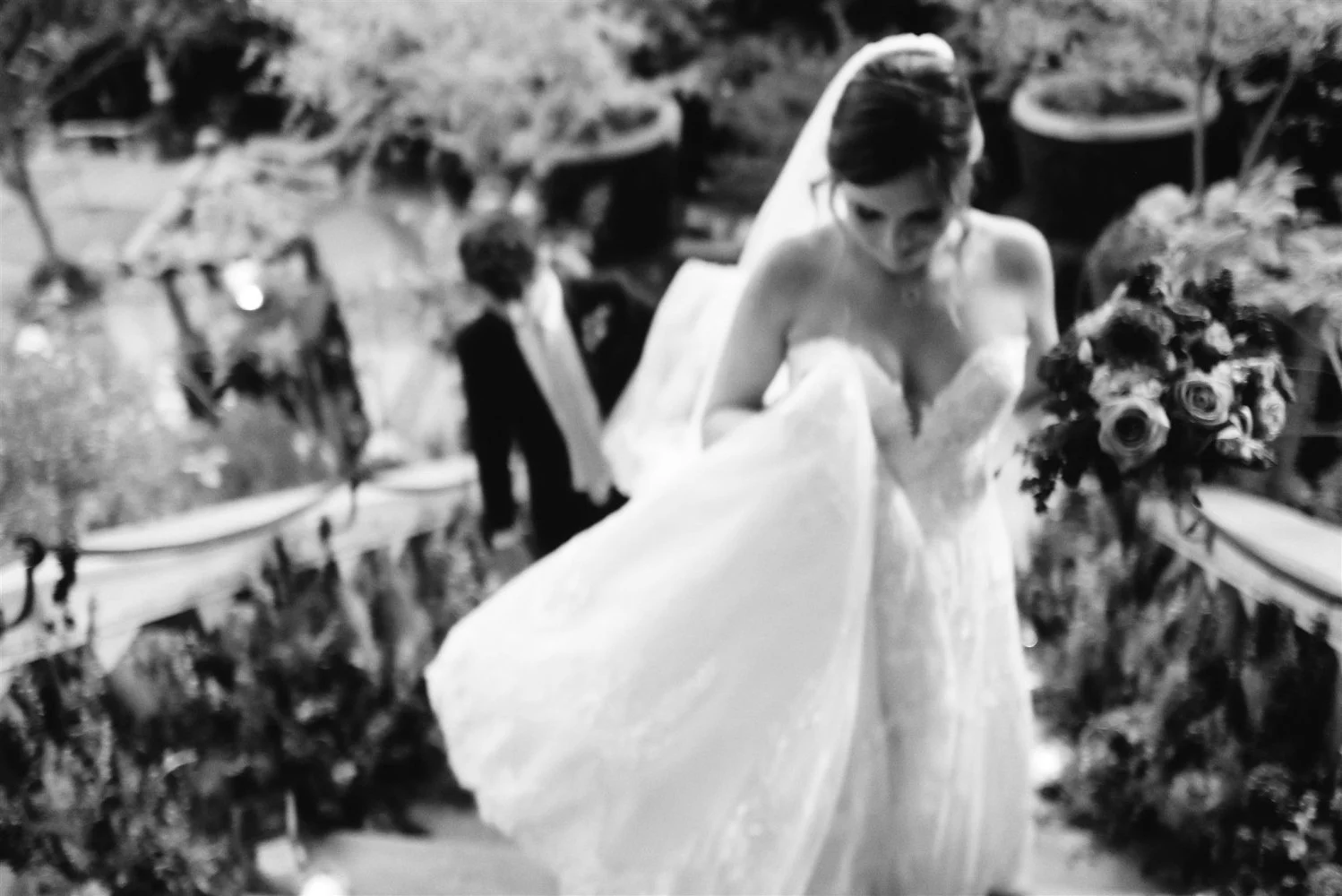
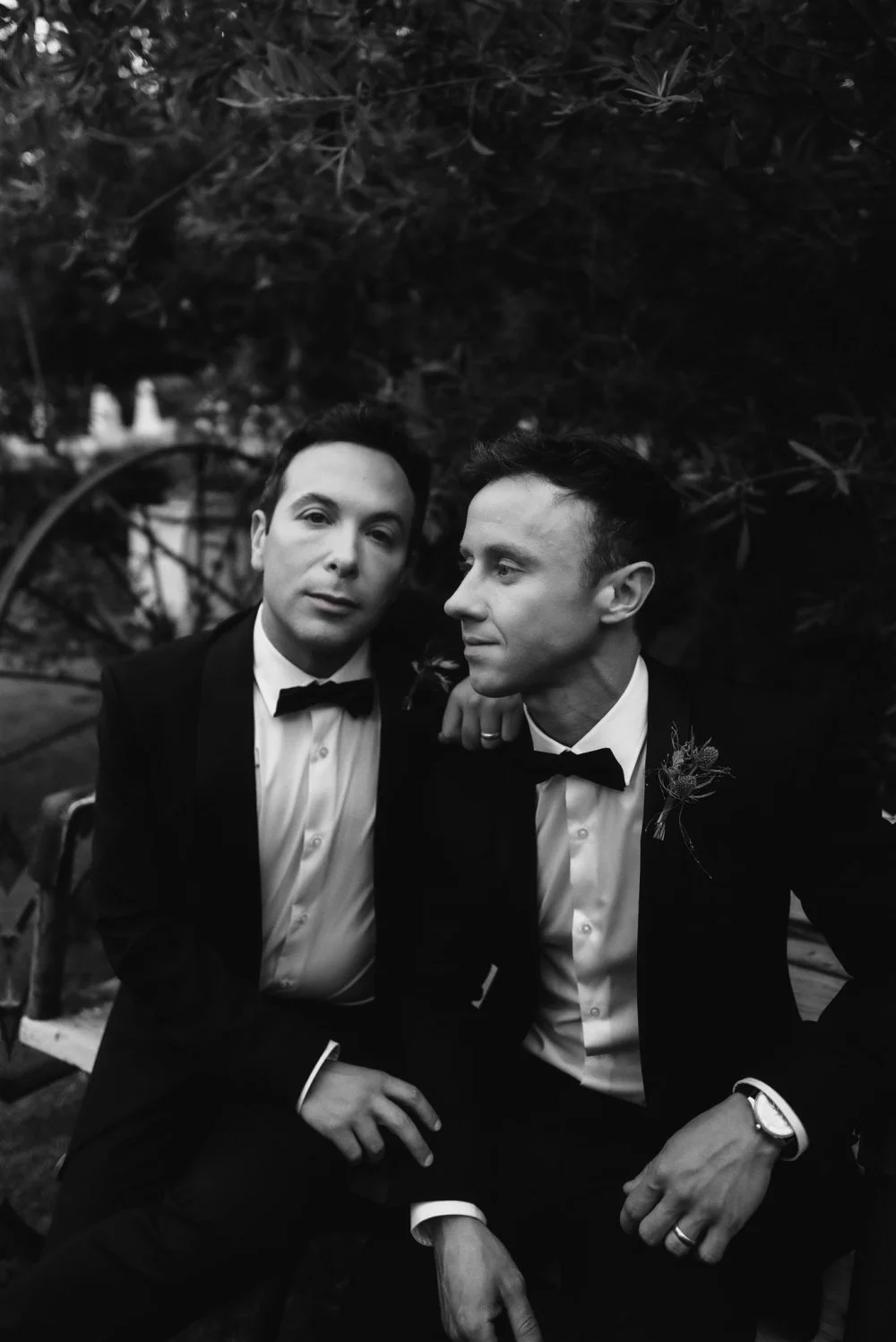
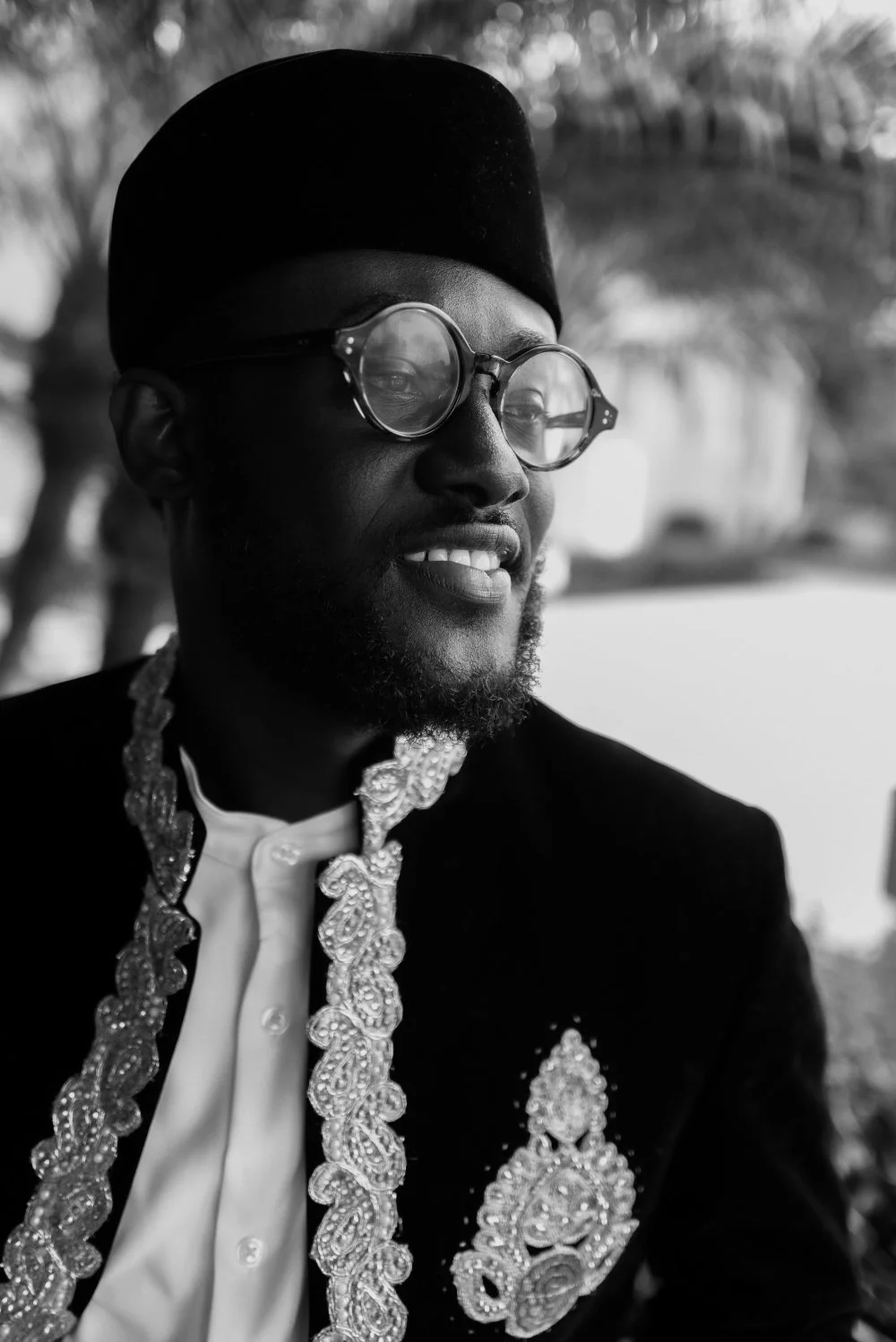
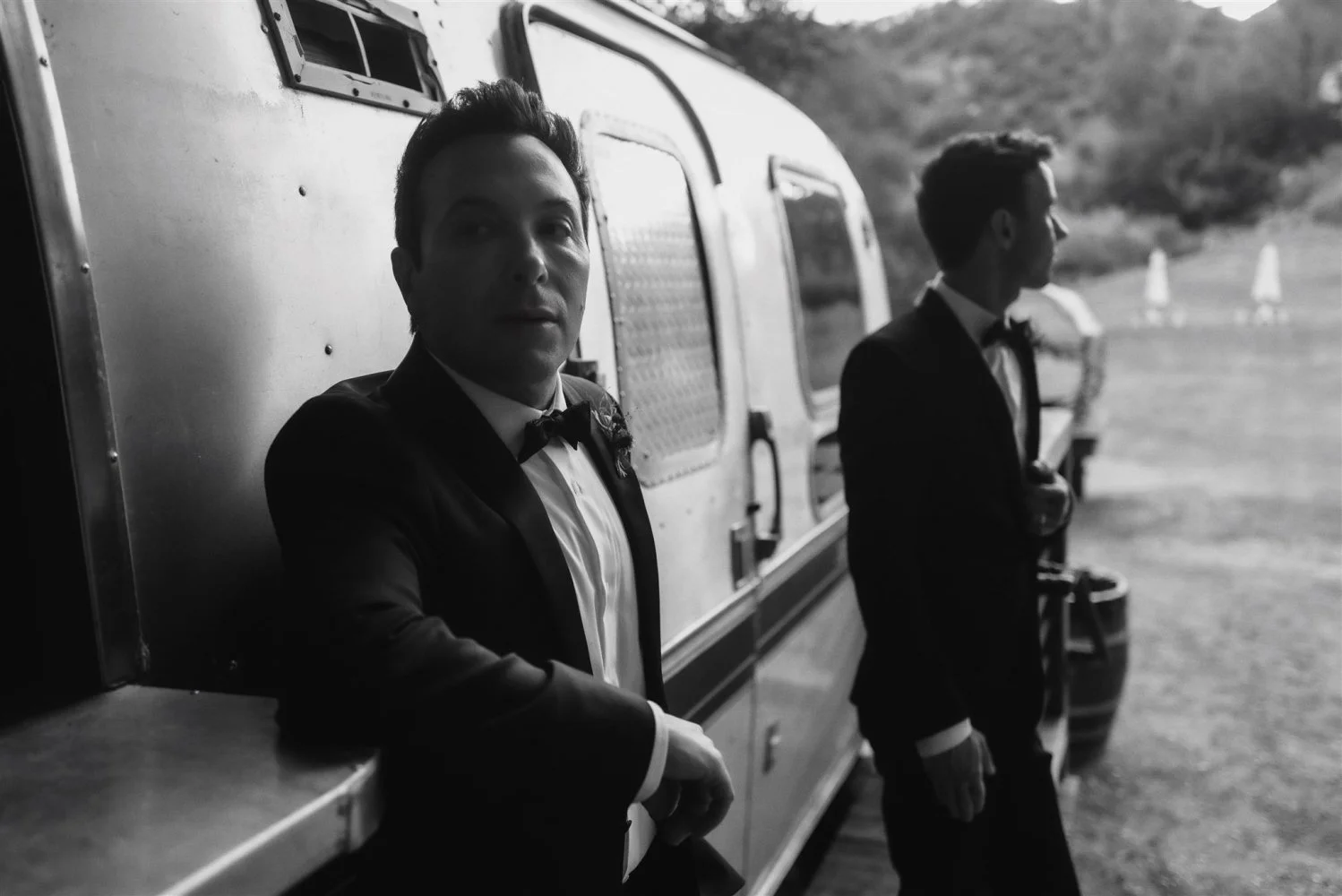
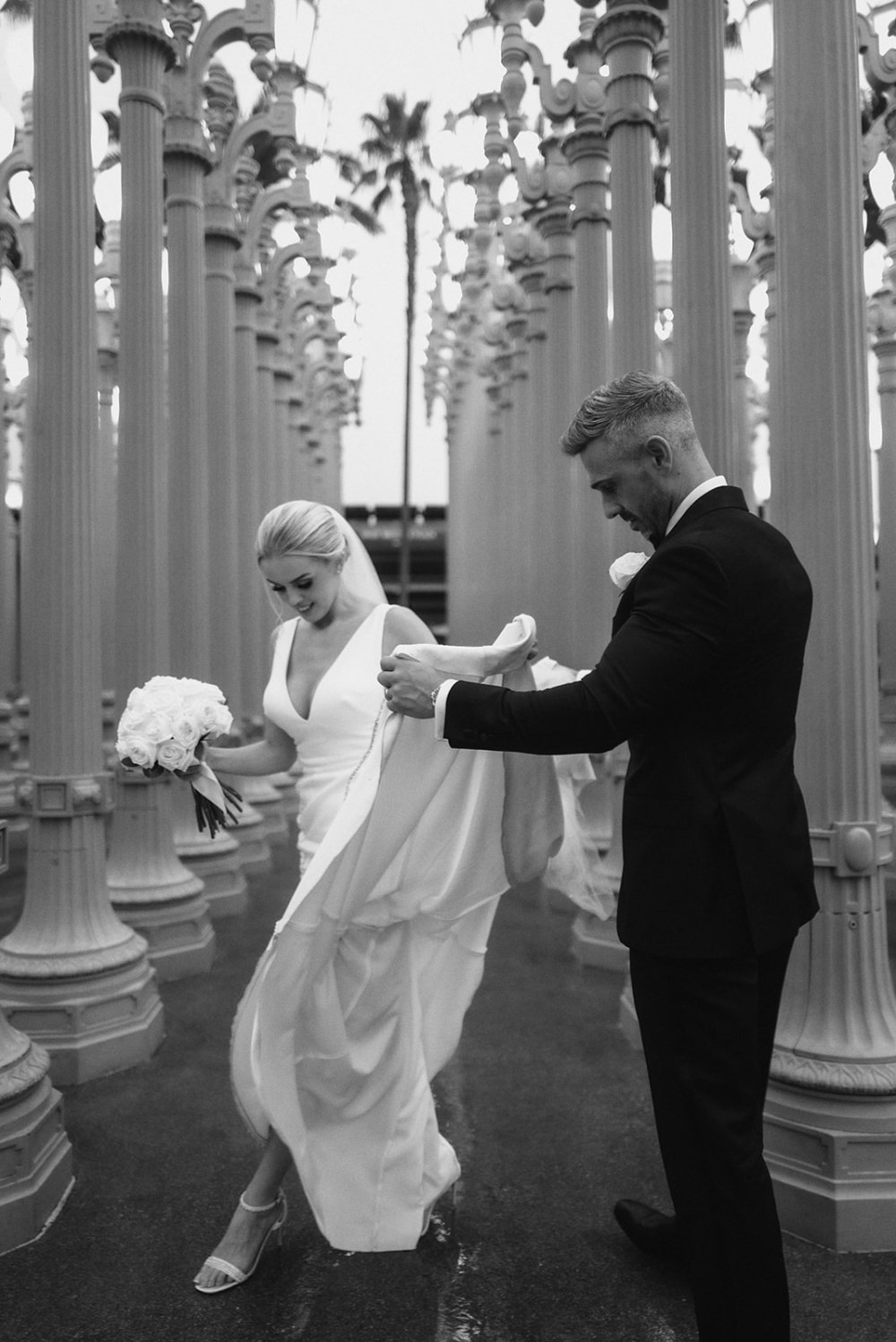
Urban Light, LACMABlack and white is the light, with the noise turned down.
Chapter three · After dark
When the room goes dark, we keep the lights it has.
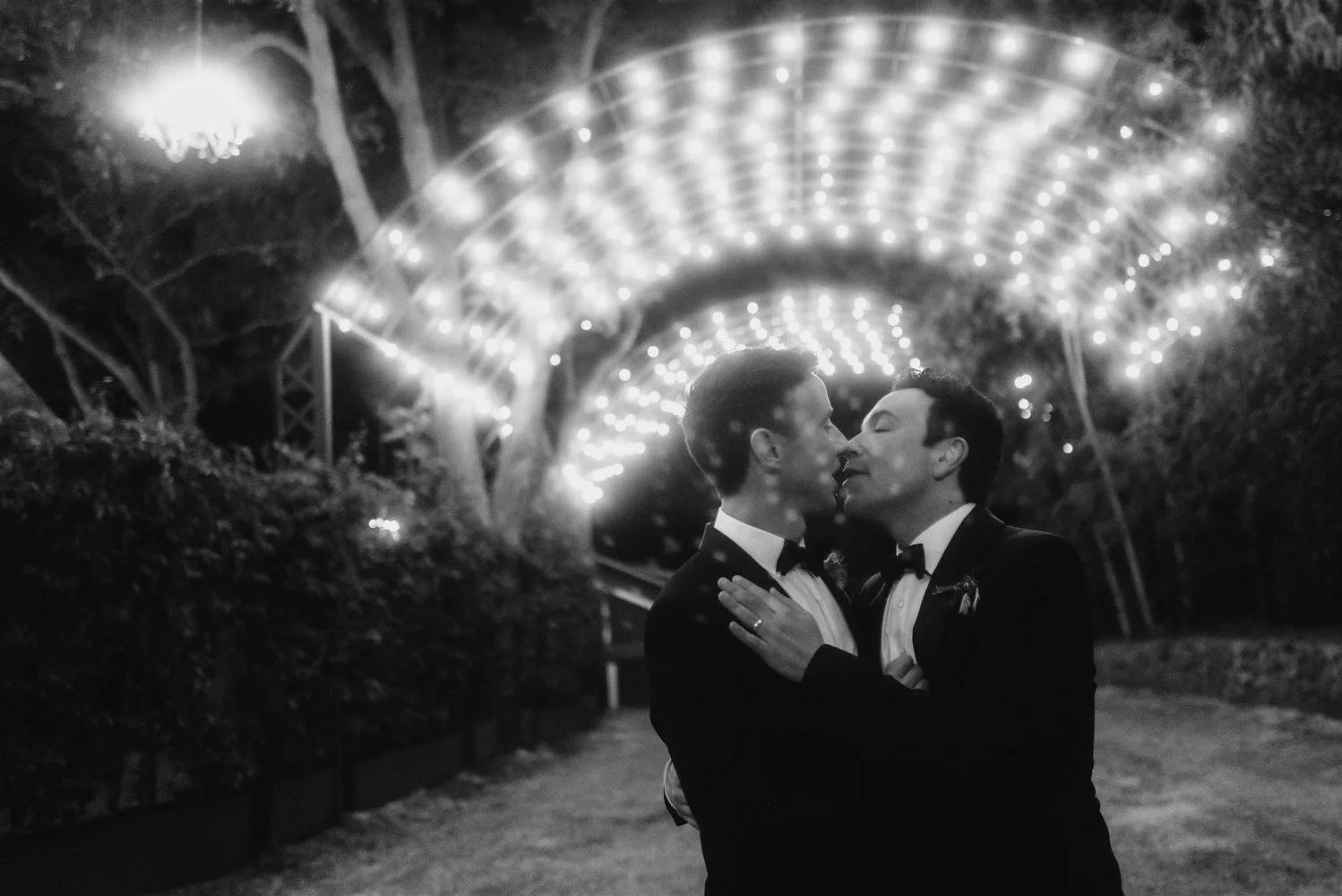
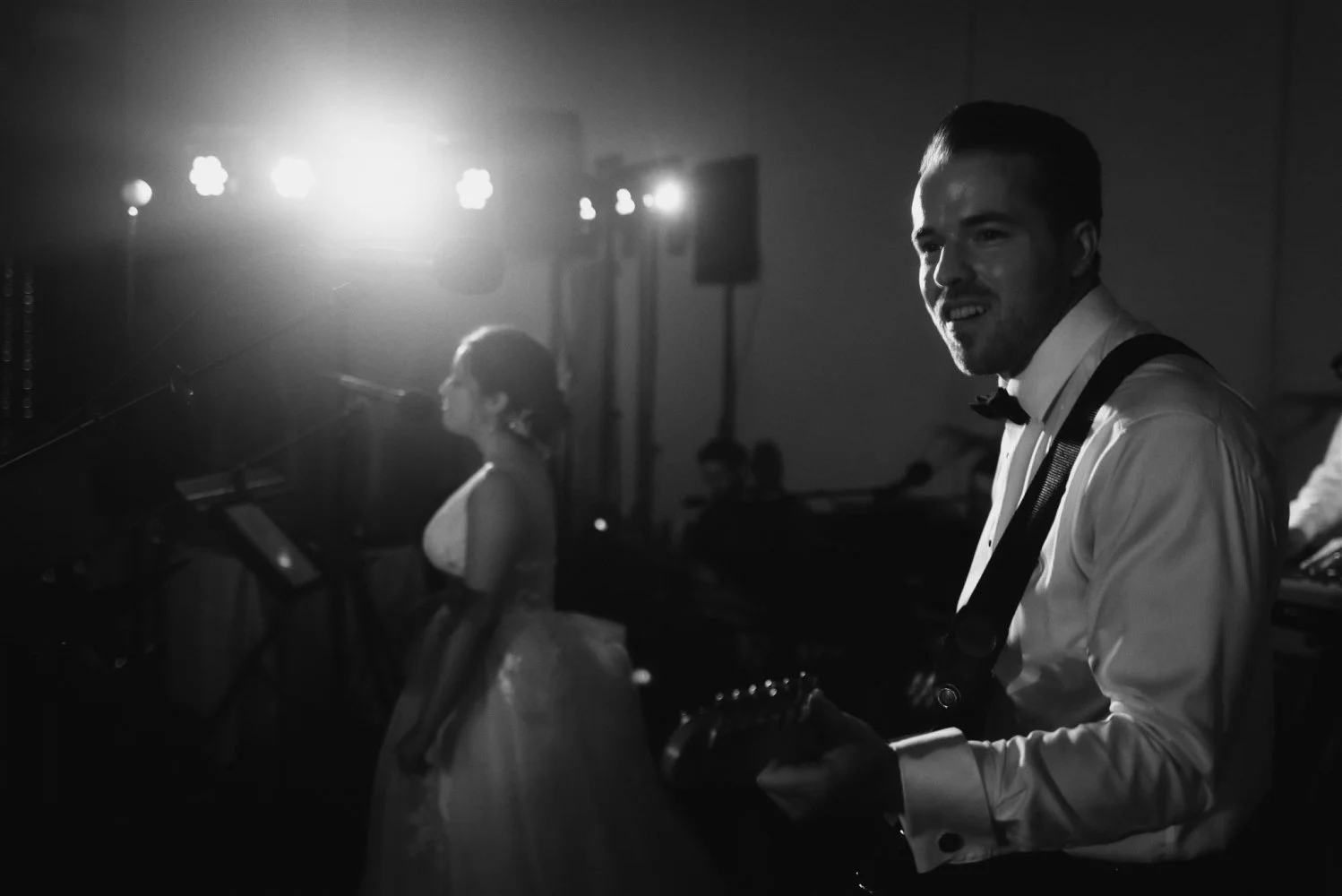
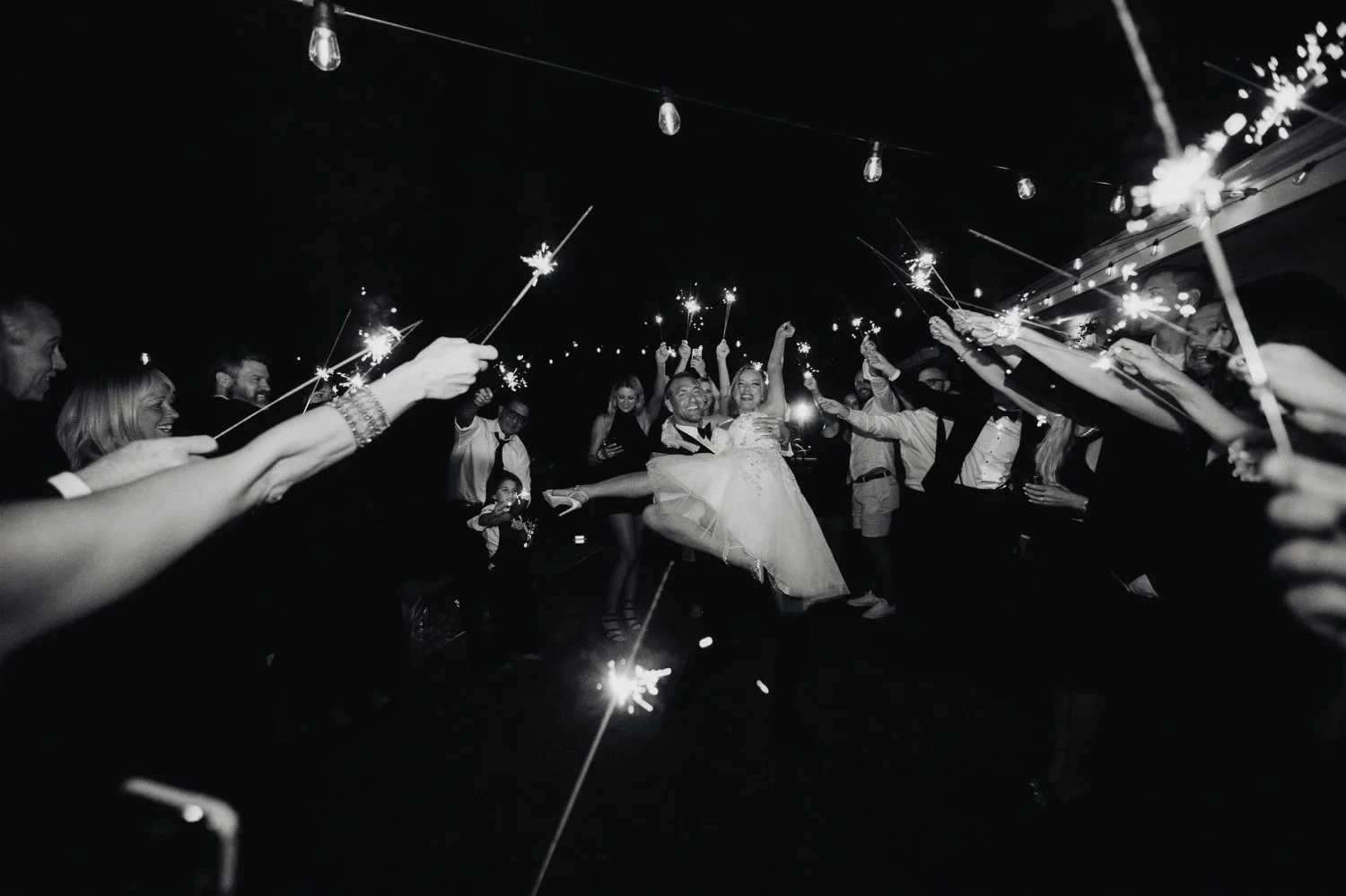
Sparklers, string lights, a single bulb over the band. Leica glass was made for this.
Rangefinder lenses are small, fast primes, so we can work by the light that is already there instead of washing a dance floor flat with flash. When a room really is too dark, we add light quietly — how we light a dark reception is on our equipment page.
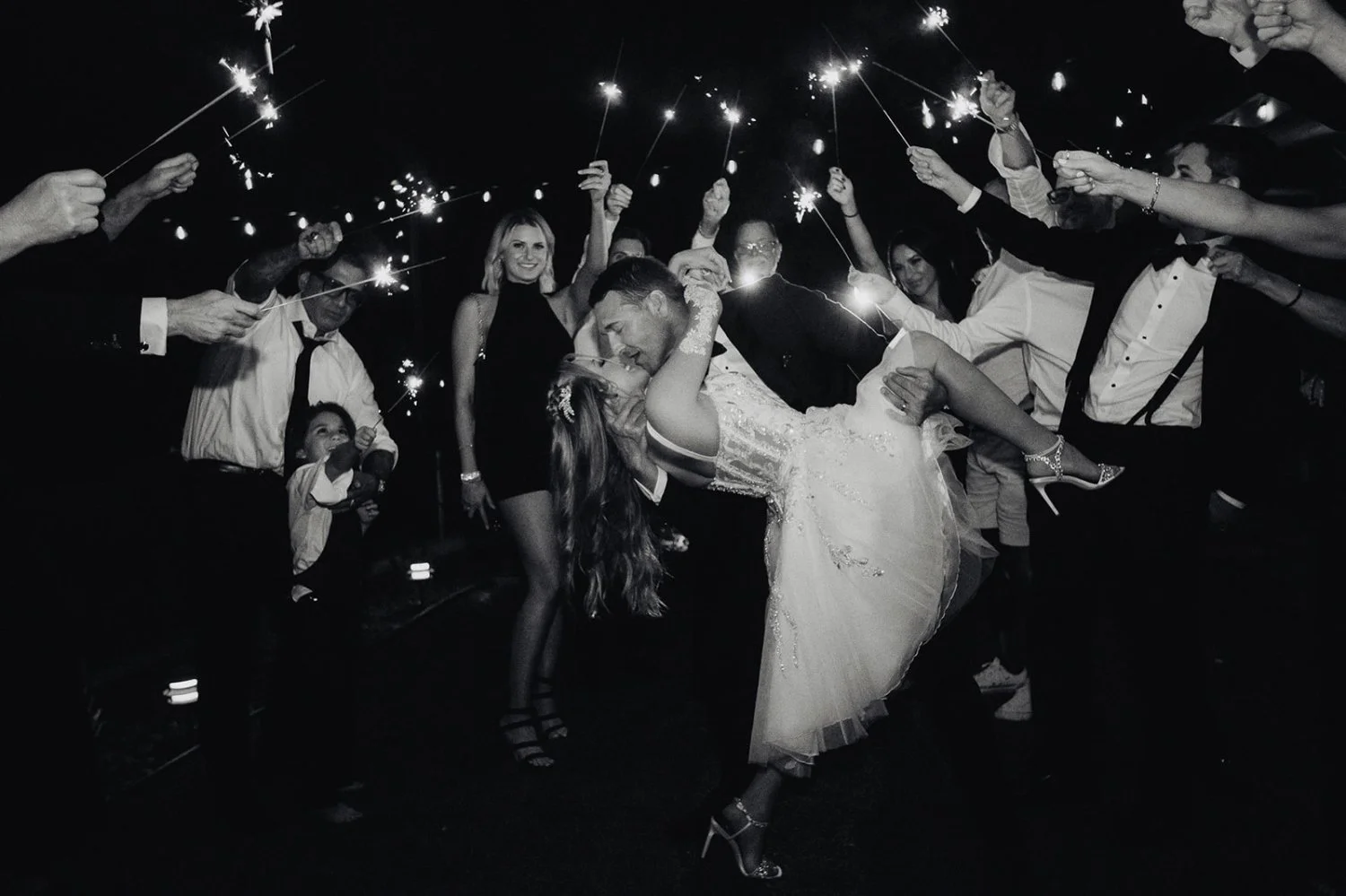
Look through the finder
Choose a lens. Watch the frame move.
A Leica M shows each lens as a bright-line frame floating in the viewfinder, with the world still visible around it. Same ceremony, same spot in the aisle — four different photographs.
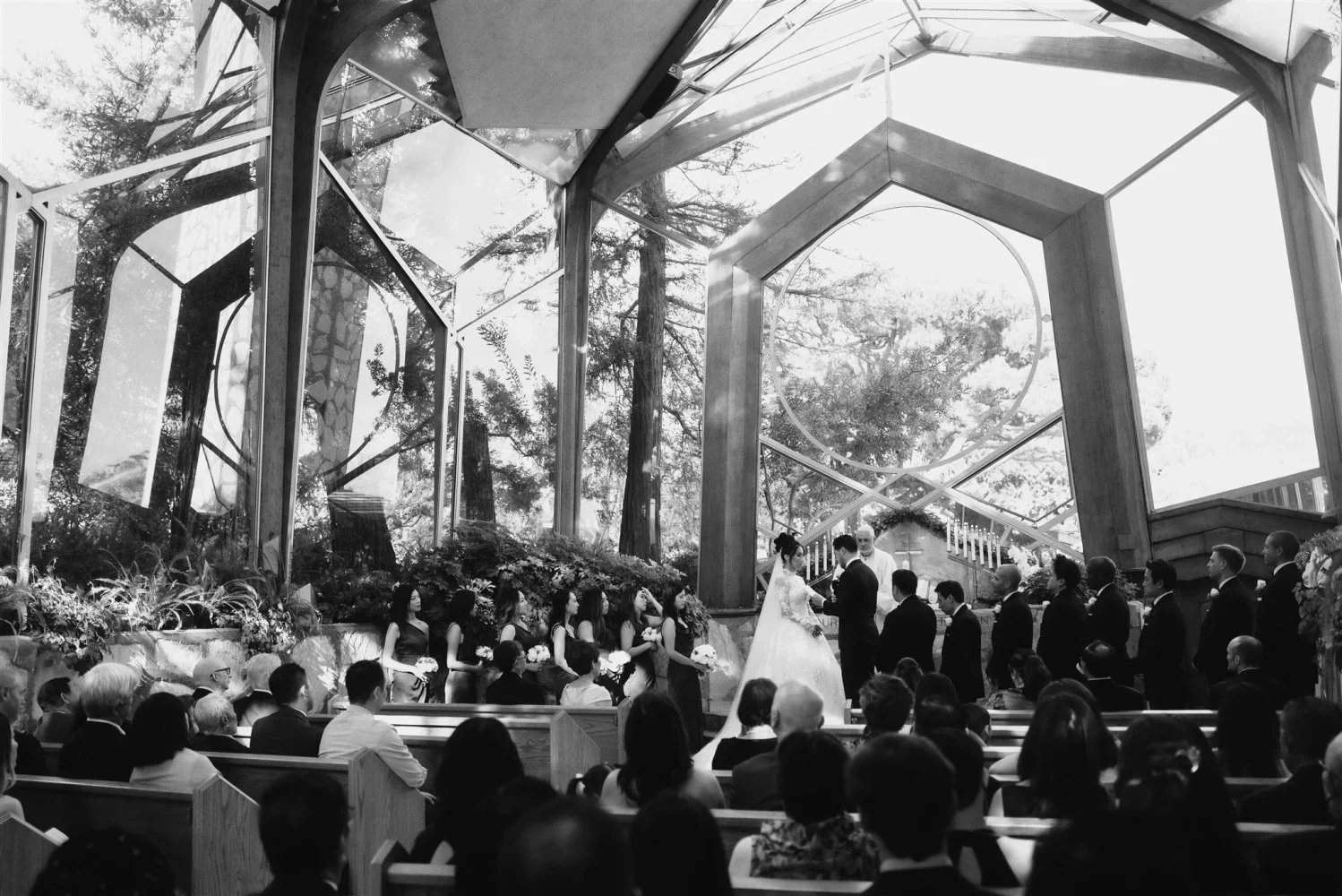
28mm — the room
The whole chapel: the trees through the glass, the families in the pews, the people standing up for you. This is the frame that remembers where you were.
Frames are drawn to scale against a 28mm view. The gold rectangle at the center of the frame is the rangefinder patch — two images that line up when the focus is right.
Chapter four · Edges
Where the land runs out.
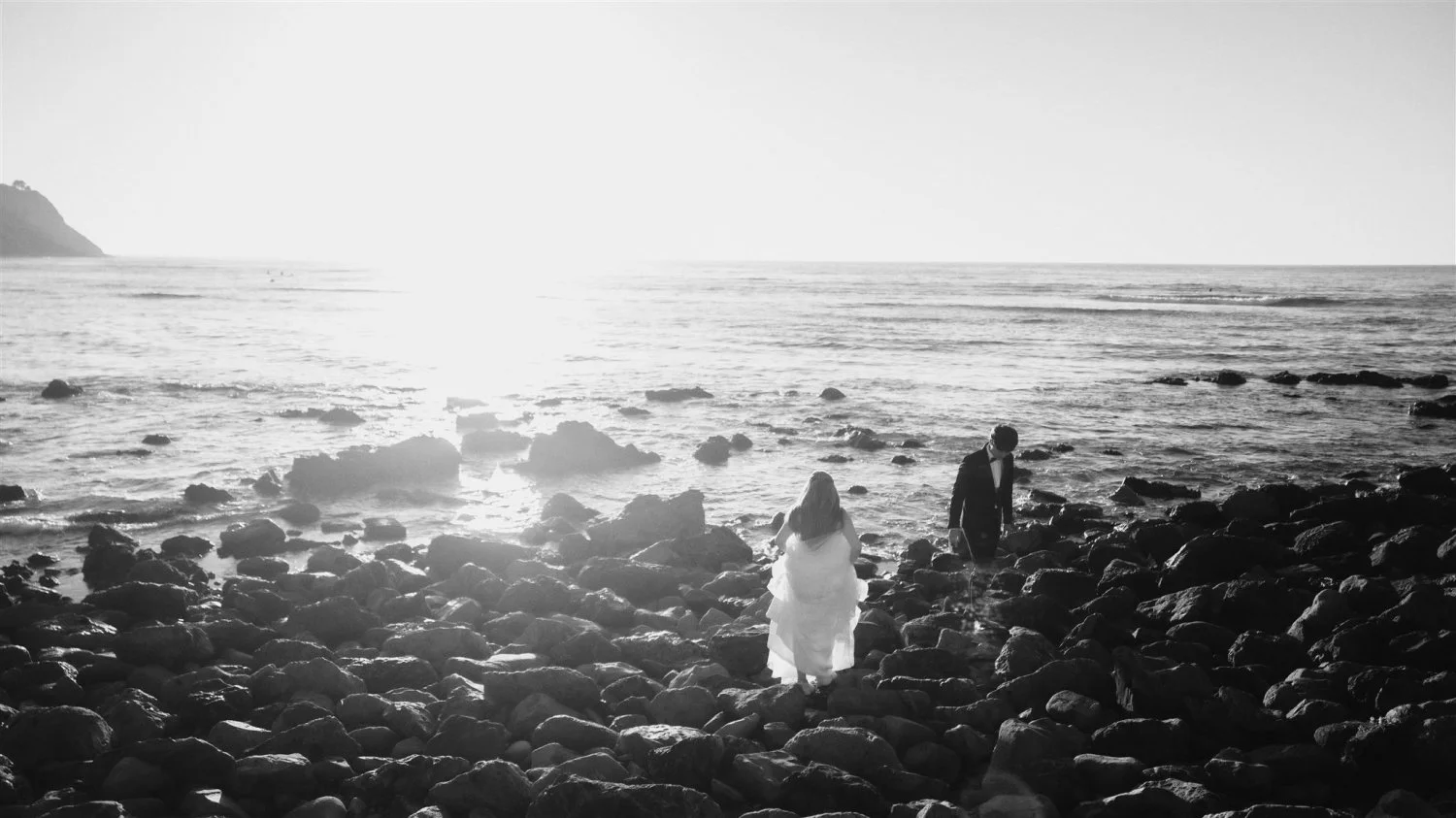
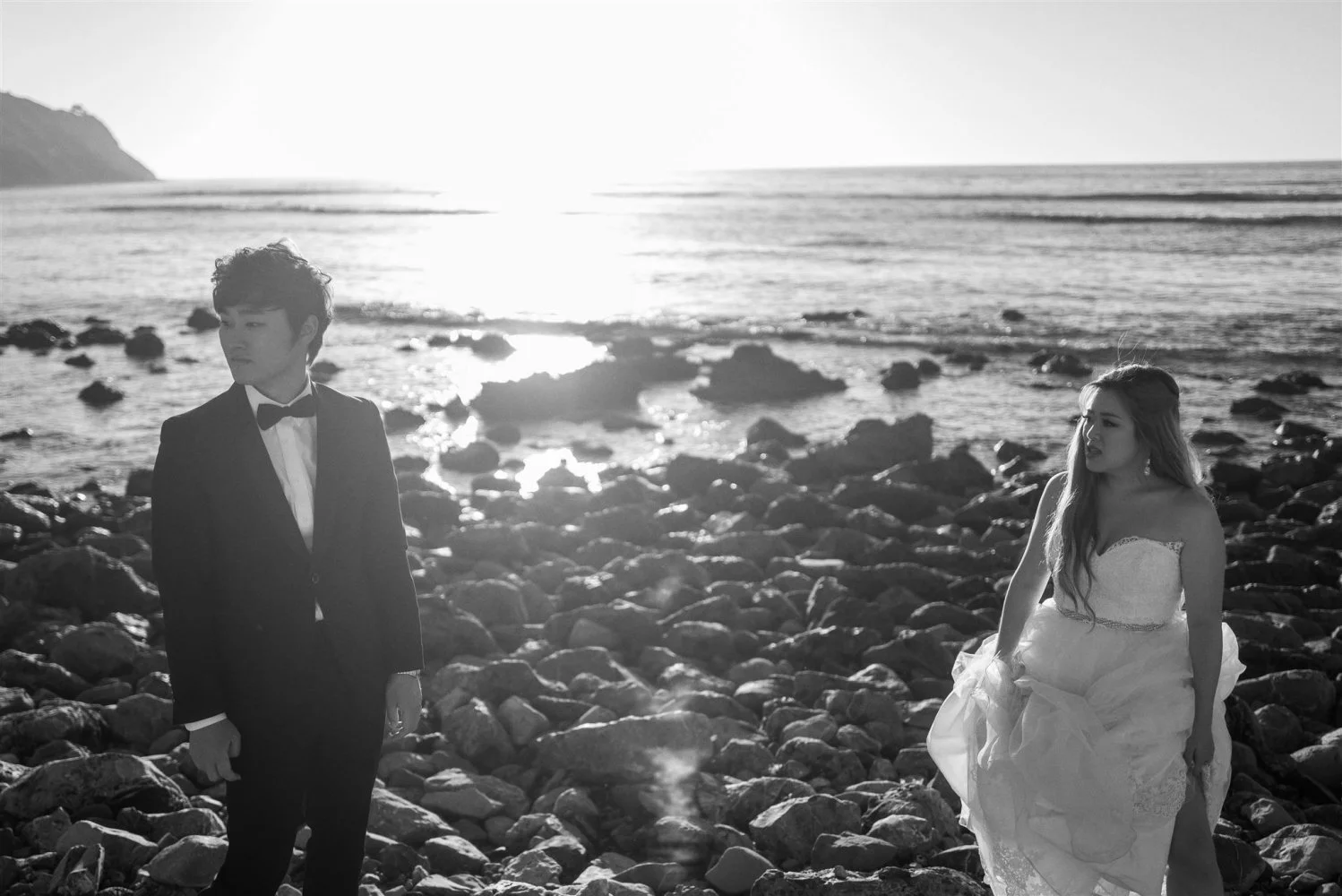
The last hour of sun along the coast, and the quiet of standing at the edge of something.
A small camera travels well — down a bluff, onto the rocks, into the water up to the knees. Southern California gives us an ocean at the end of nearly every road, and some of our favorite Leica frames come from the twenty minutes a couple steals there.

Why a Leica at a wedding
Four things a rangefinder does differently.
It disappears
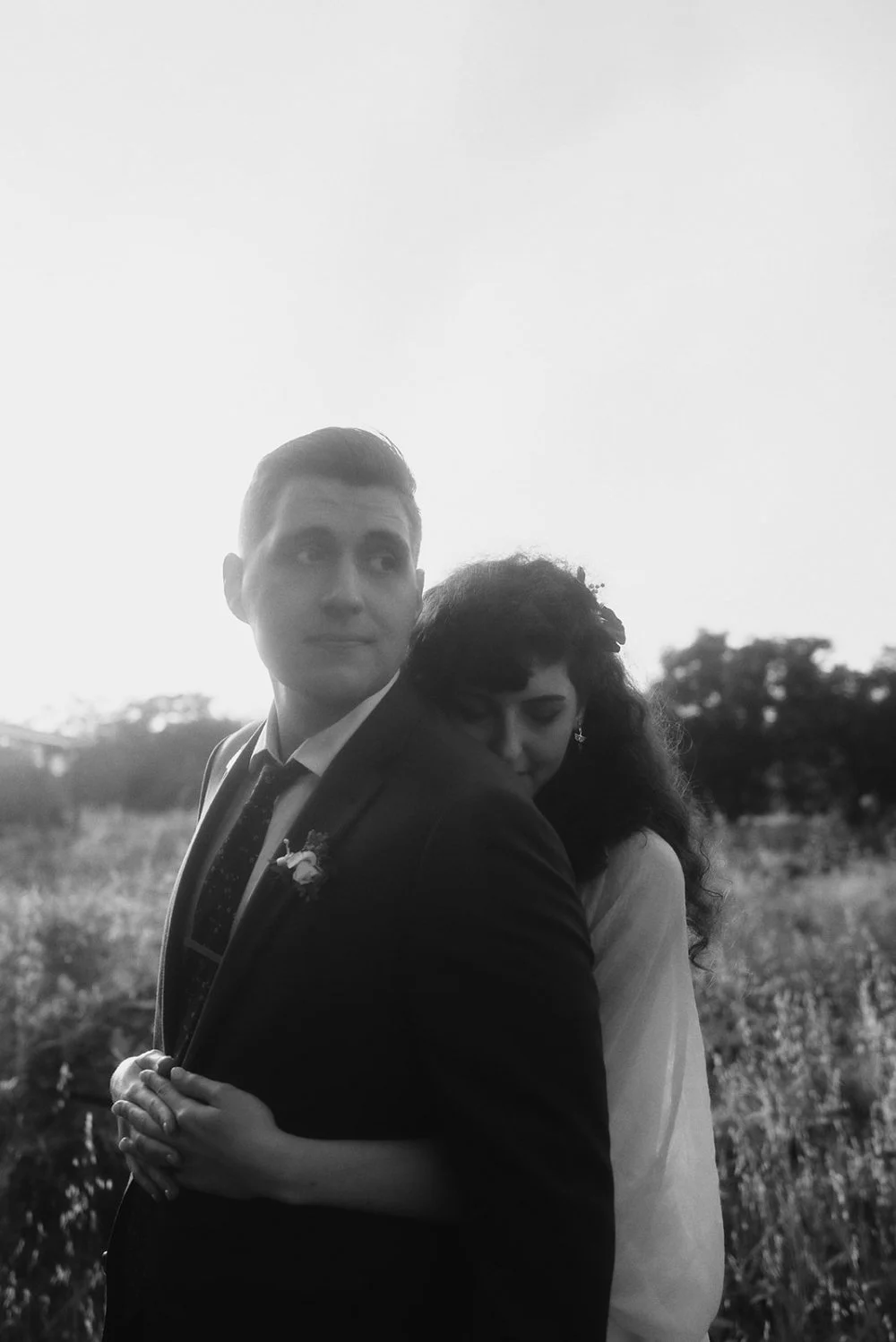
Small, dark and quiet. Guests stop noticing it, and the people in front of it stop arranging their faces.
It sees around the frame
The viewfinder shows what is just outside the picture, so a photographer can see a moment coming before it arrives.
It slows us down
Manual focus and a fixed lens make every frame a decision. Fewer pictures of nothing, more pictures of something.
It loves low light
Fast, compact lenses and the Monochrom’s clean shadows mean the candlelight stays candlelight.
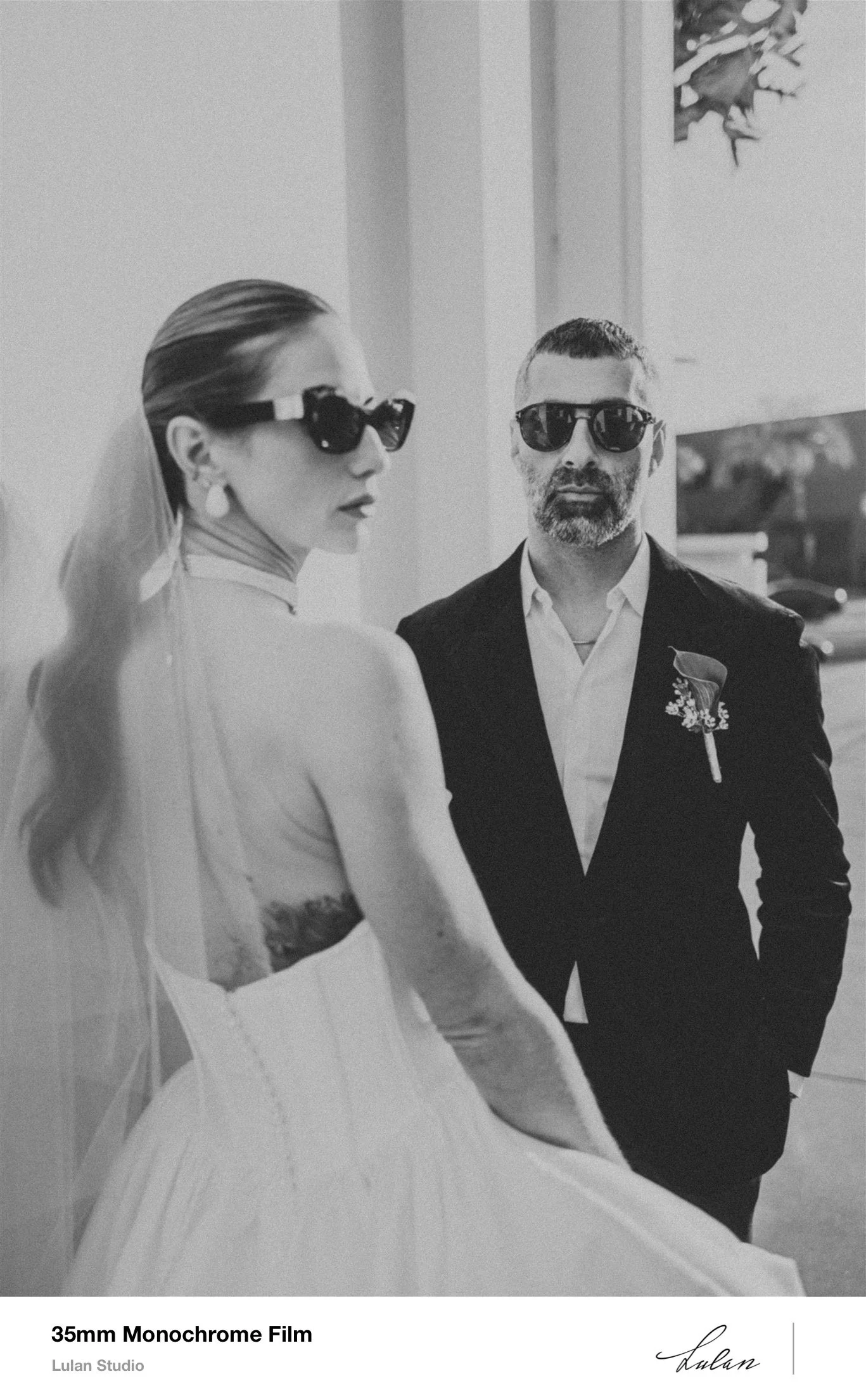
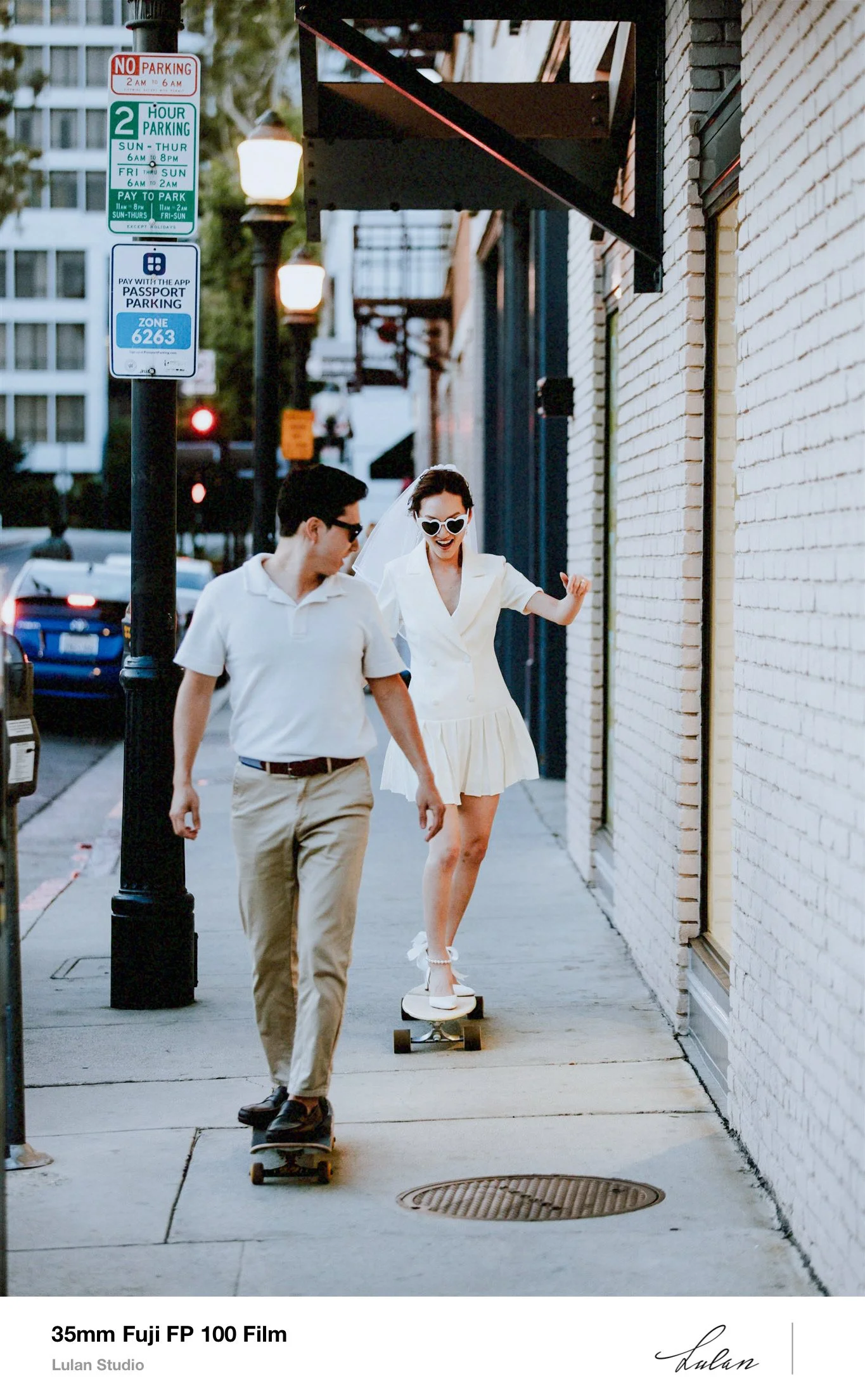
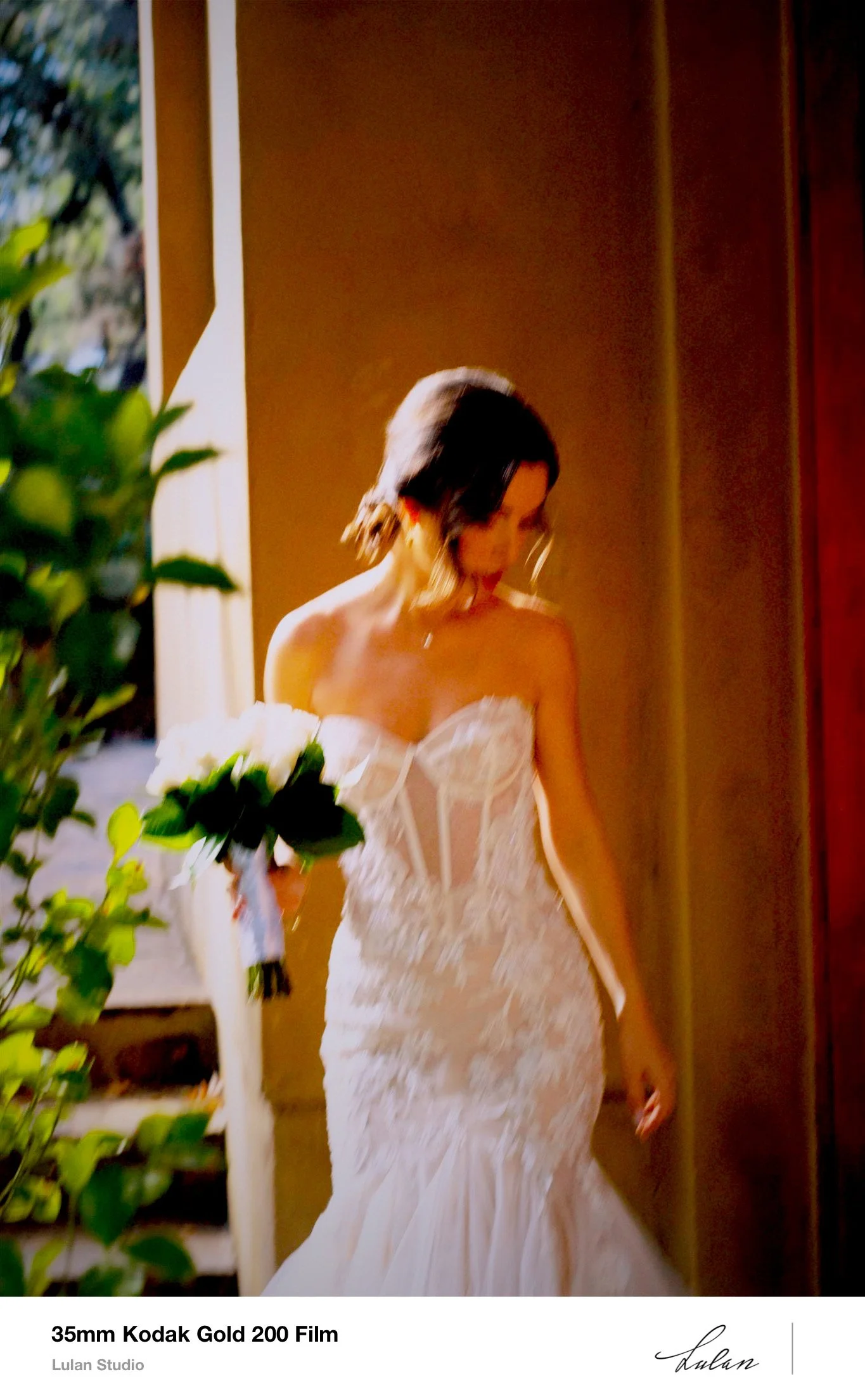
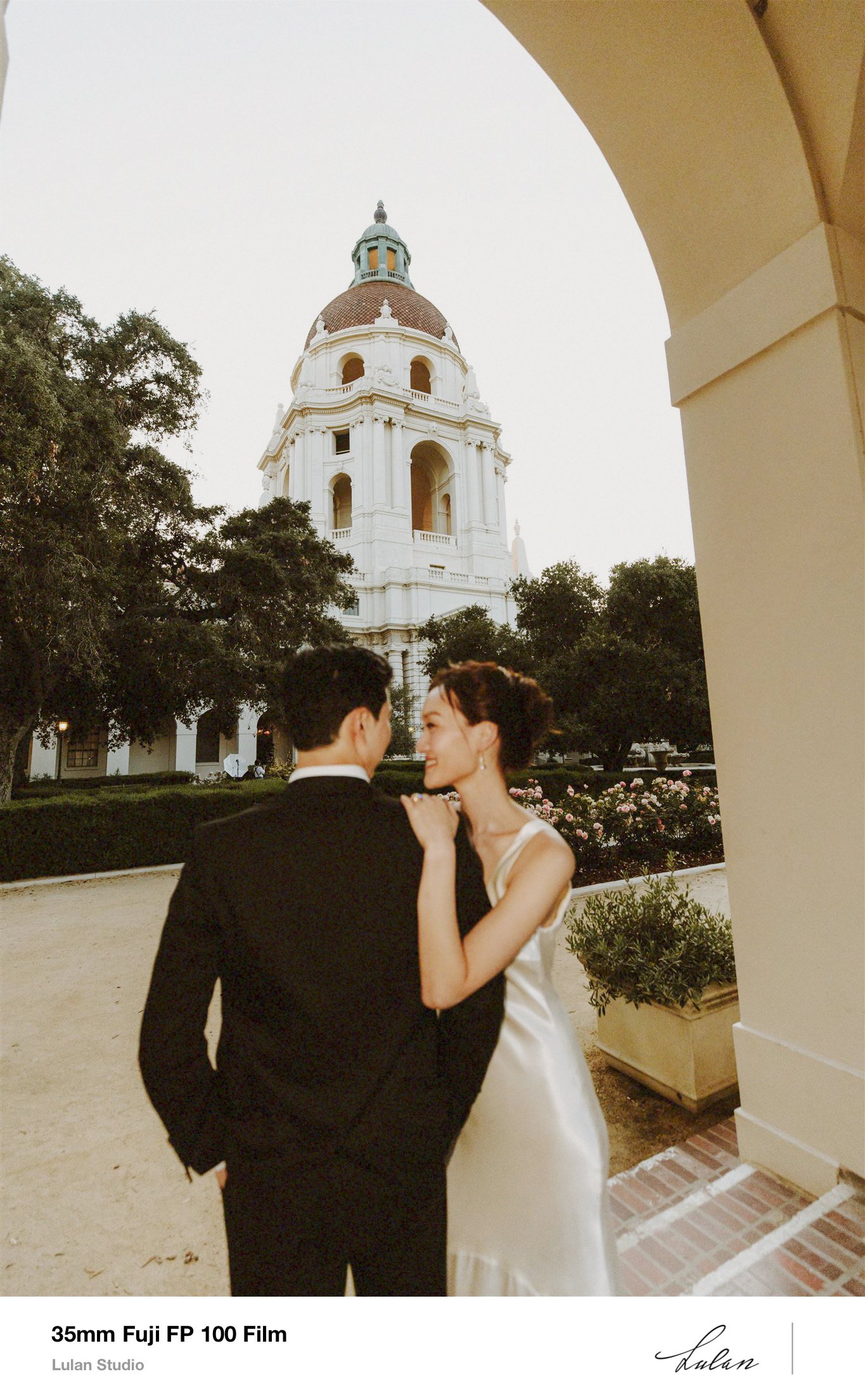
Same camera, real film
Some days we load a roll instead.
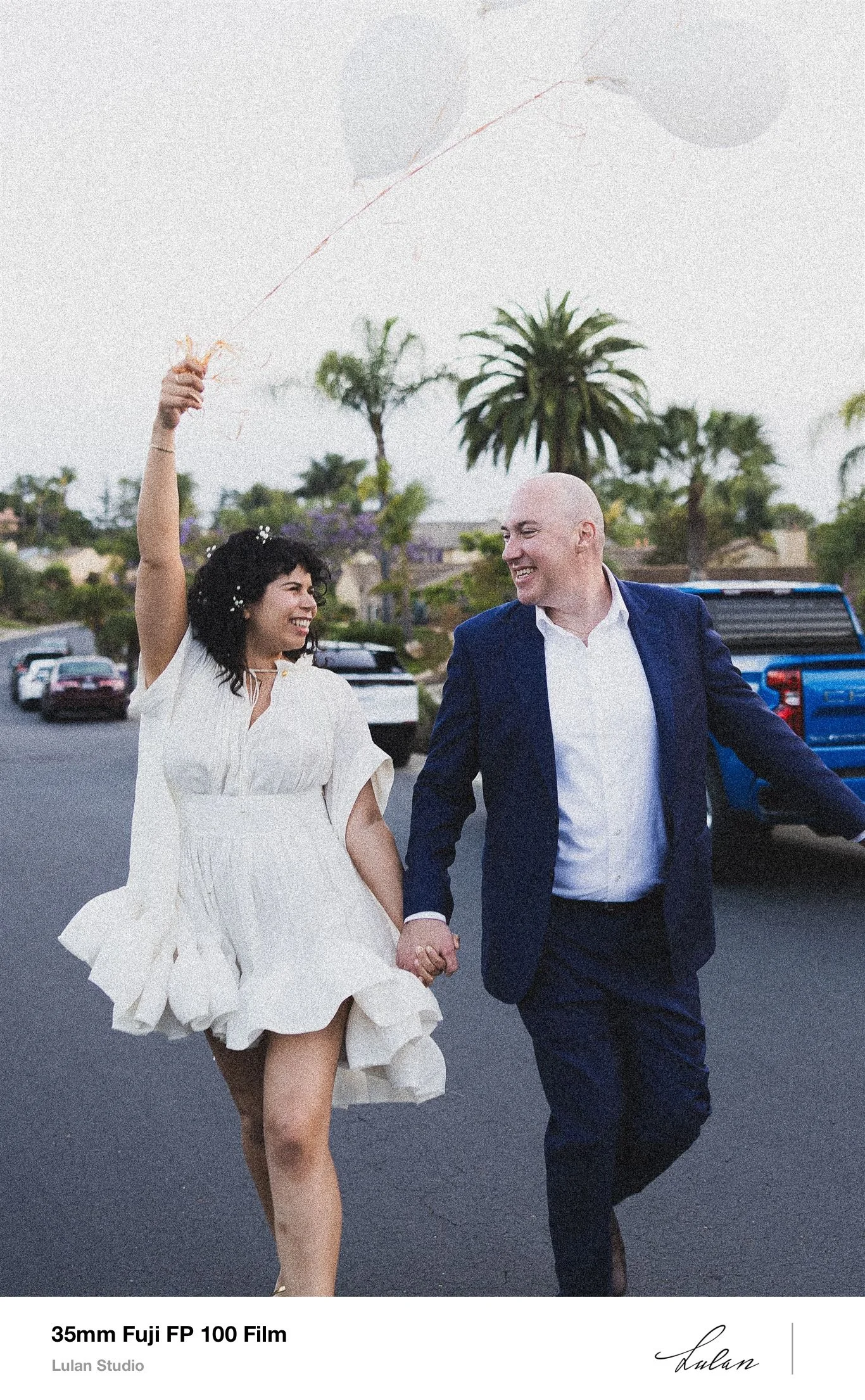
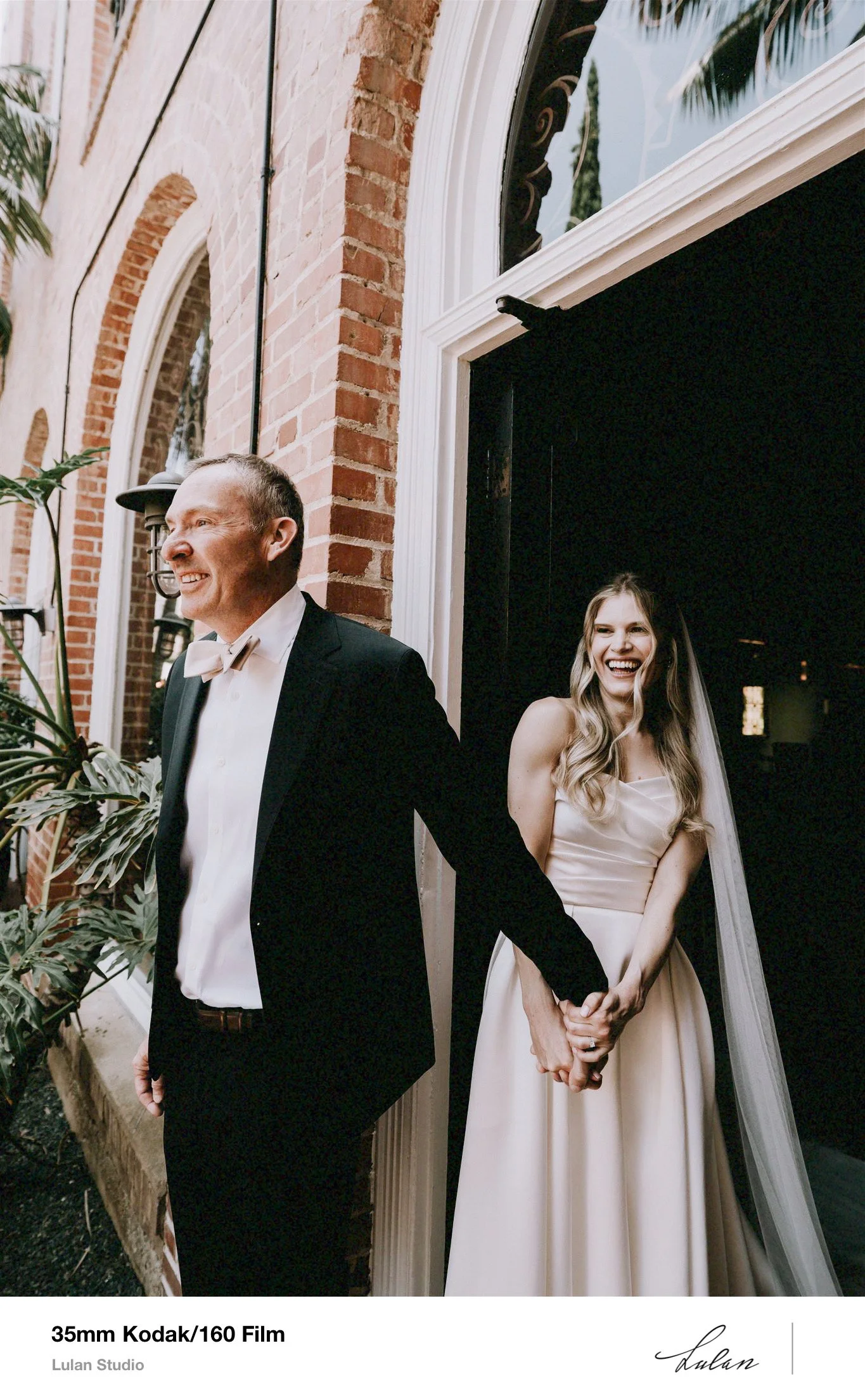
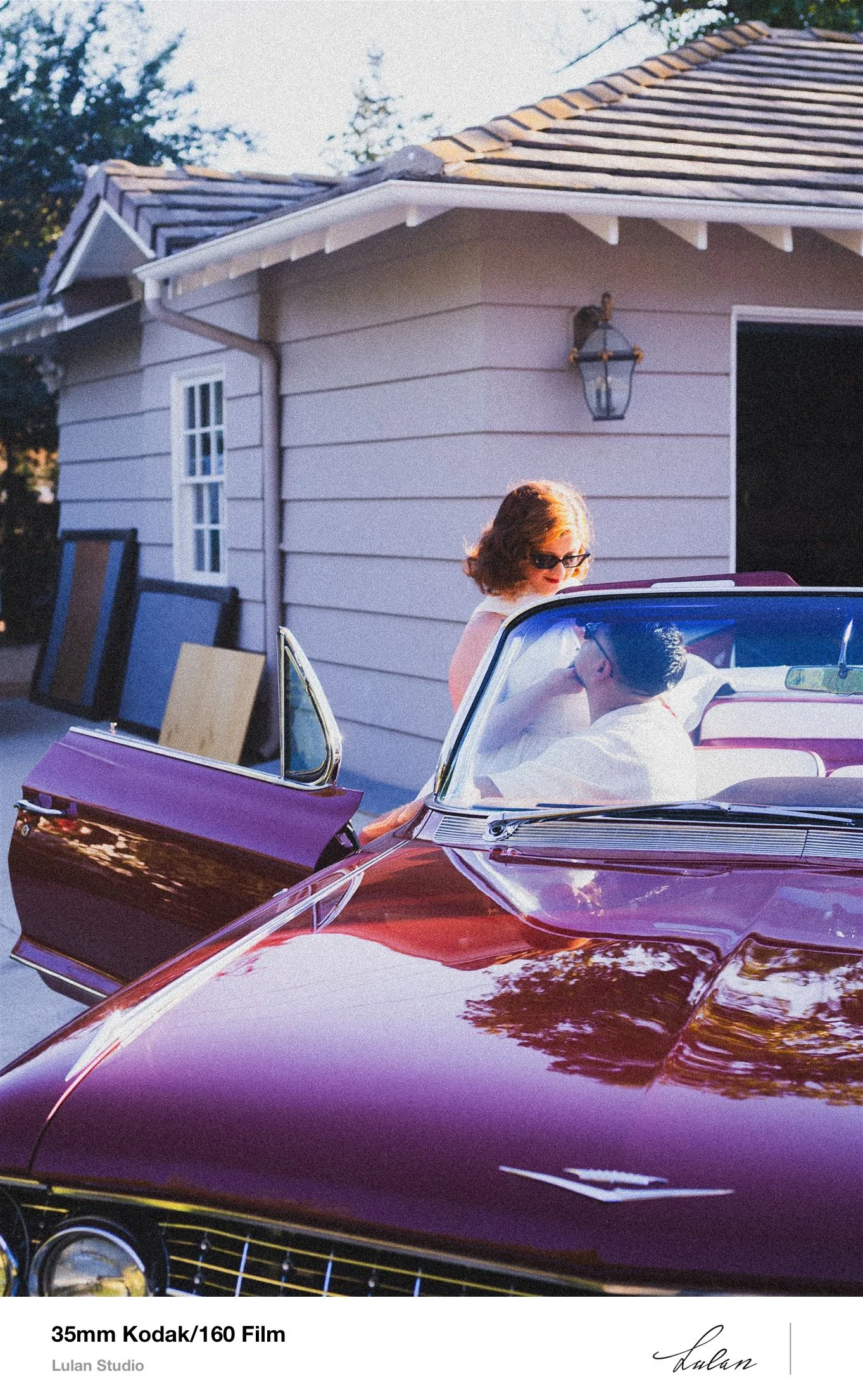
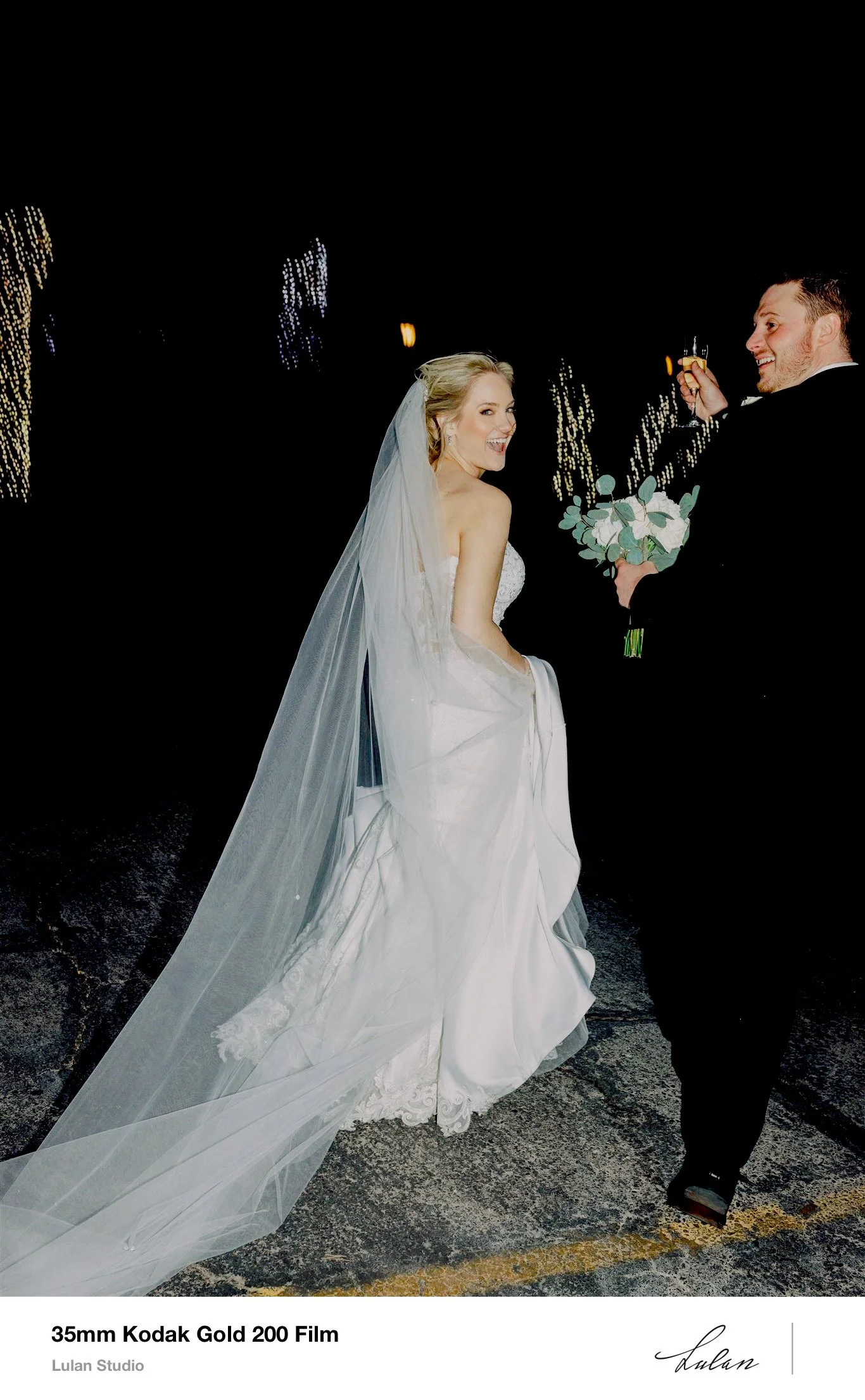
The Leica M began as a 35mm film camera, and it still is one. When a couple wants grain they can hold, we shoot rolls through the same bodies and print the frames — borders, stock names and all.
In the bag
The Leicas we carry.
Each one sees a little differently. Your photographer chooses on the day, often more than once.
- M MonochromBlack and white only. A sensor with no color filter, built for luminance and shadow.
- M11The current M — a high-resolution rangefinder for frames that may become large prints.
- M10The everyday rangefinder: quick, quiet and easy to carry all day.
- M9A CCD sensor, now rare in digital cameras. Its color has a softness people often mistake for film.
- SL3Leica’s mirrorless body, with autofocus, for moments that move faster than a hand can focus.
- M film bodies35mm, loaded with the stocks on our film page.
Alongside the Leicas, our team carries Canon, Sony and Nikon digital bodies for the full day. The whole kit is on our equipment page.
Keep looking
The Leica frames are one part of a whole day.
This page is about one camera and the way it sees. For complete weddings, start here.
Every kind of wedding
Color and black and white, film and digital, from couples across California and Las Vegas.
See the portfolio → CoverageFilm and digital, together
How a full wedding day is photographed, and what every collection includes.
Wedding photography → ApproachDocumentary, not directed
The unposed way of working that a rangefinder makes easier.
Photojournalistic weddings →Questions
About the Leicas.
Is every photograph of our wedding taken on a Leica?
No. Leica rangefinders work alongside the Canon, Sony and Nikon digital bodies our team carries all day. The Leicas come out for the quiet, close and low-light moments where they make a real difference. Your full coverage is described on our wedding photography page.
Why are so many of these photographs black and white?
Many were made on the Leica M Monochrom, which has no color filter on its sensor and can only record black and white. The rest are color frames we felt were stronger in monochrome. Every gallery we deliver includes color as well.
Can we ask for more Leica or more black and white?
Yes. Tell us on your call and again when we plan your timeline — we’ll pass it to your photographer and note the moments you care about most.
Do you shoot Leica on film?
Yes. We shoot 35mm film through Leica M bodies alongside digital. Stocks, timing and cost are on our 35mm film wedding photography page.
Is a rangefinder fast enough for a wedding?
For moments that unfold — a ceremony, a toast, a slow dance — yes, and often better than an autofocus camera because the photographer is already focused and waiting. For fast action we also carry the autofocus Leica SL3 and our digital bodies.
Where do you photograph weddings with Leica?
Wherever we cover your wedding — Los Angeles, Orange County, San Diego, Santa Barbara and Las Vegas.
Leica · Lulan Studio
Tell us the moments you want kept quiet.
We’ll tell you which camera we’d bring for each of them.